Grand Gulf and Sage Potash to Share 3D Seismic Survey Costs for Utah Projects

Grand Gulf Energy has inked a non-binding MoU with Sage Potash to jointly explore helium and potash resources in Utah’s Paradox Basin, aiming to share costs and infrastructure for a 3D seismic survey and potential drilling.
- Non-binding MoU signed between Grand Gulf Energy and Sage Potash
- Joint funding of 3D seismic survey targeting helium and potash
- Potential co-development of infrastructure and drilling of a shared exploration well
- Collaboration aims to reduce exploration and development costs at Red Helium Project
- Grand Gulf continues pursuit of offshore Namibia oil and gas opportunities
Strategic Partnership in the Paradox Basin
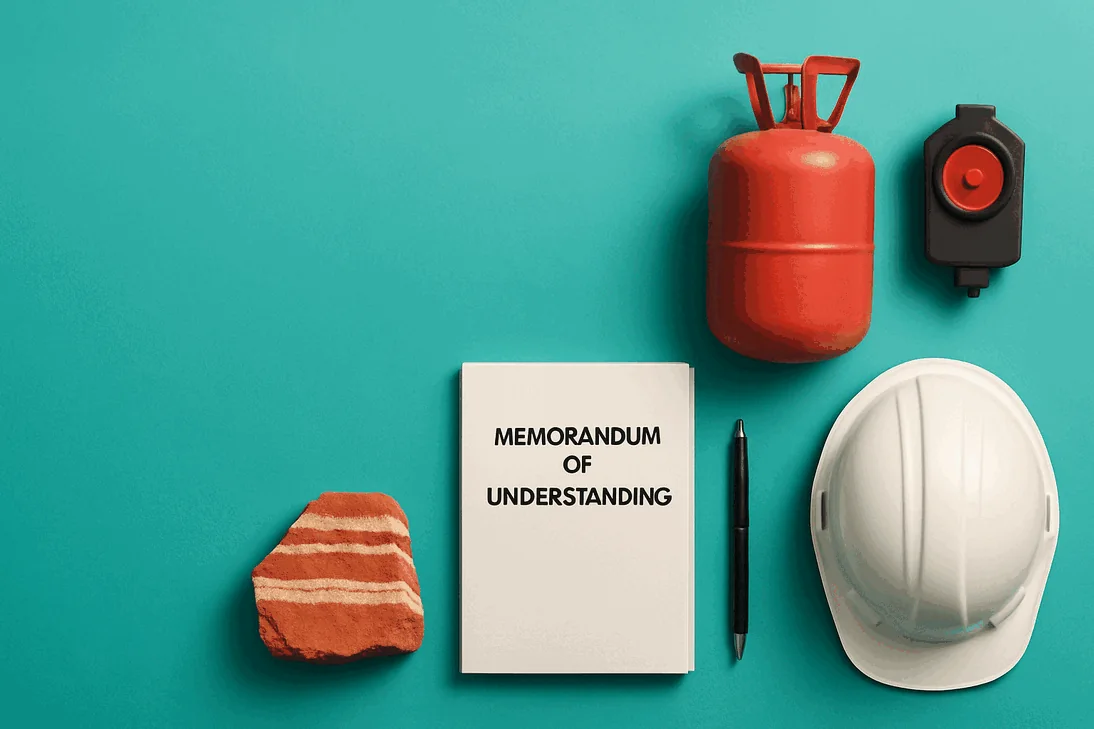
Grand Gulf Energy Limited (ASX:GGE) has formalised a collaborative framework with TSXV-listed Sage Potash Corp. (TSXV: SAGE) through a non-binding Memorandum of Understanding (MoU) to jointly explore helium and potash resources within a defined Area of Mutual Interest (AMI) in Utah’s Paradox Basin. This agreement leverages the proximity of Grand Gulf’s Red Helium Project and Sage Potash’s Sage Plain Project, combining their respective helium and potash rights to optimise exploration efforts.
The Paradox Basin is a proven helium province, and Grand Gulf’s Jesse-1A well has already confirmed significant helium presence, with a 1% helium concentration and a gas flow rate of one million cubic feet per day. Meanwhile, Sage Potash’s adjacent project boasts substantial inferred potash resources, supported by compliant resource estimates and existing processing infrastructure.
Joint 3D Seismic Survey and Drilling Plans
Central to the MoU is the agreement to co-fund a 3D seismic survey designed to de-risk future drilling by mapping subsurface helium and potash targets. The survey costs will be split evenly, subject to final scope and location, reflecting a balanced partnership approach. Additionally, the parties will evaluate the potential to jointly fund and develop an exploration well that could simultaneously access helium and potash deposits, a move that could streamline operational costs and accelerate resource development.
Beyond exploration, the MoU contemplates shared infrastructure development, including surface facilities and pipelines, to reduce capital expenditure and improve project economics. This integrated approach could set a precedent for multi-commodity collaboration in resource-rich basins.
Implications for Grand Gulf and the Broader Energy Landscape
For Grand Gulf, this partnership represents a strategic effort to unlock value from the Red Helium Project while maintaining momentum on its ambitious offshore Namibia oil and gas block application. The recent discovery by bp and Rhino Resources in the Orange Basin offshore Namibia underscores the potential of Grand Gulf’s broader portfolio.
While the MoU is non-binding and subject to further negotiation, it signals a pragmatic approach to resource development that could mitigate financial risks and enhance shareholder value. The success of this collaboration will depend on the execution of seismic surveys, drilling outcomes, and the ability to negotiate binding agreements that align both parties’ commercial interests.
Bottom Line?
This MoU could redefine cost-efficient exploration in the Paradox Basin, but the real test lies in translating cooperation into commercial success.
Questions in the middle?
- What are the timelines and expected costs for the proposed 3D seismic survey?
- How will the companies manage potential technical challenges in co-developing helium and potash resources?
- What are the prospects for converting this non-binding MoU into binding agreements with clear financial commitments?