Invion Reports No Adverse Events and Lesion Reduction in Early Skin Cancer Trial

Invion Limited reports no adverse events and early lesion reduction in its Phase I/II non-melanoma skin cancer trial, advancing to dose optimization.
- No adverse events reported in first six patients
- Observable lesion size reduction after single treatment
- Patients experienced no pain during treatment
- INV043 demonstrated potential as a diagnostic tool
- Trial progressing to adaptive dose optimization phase
 Add us as a preferred source on Google
Encouraging Safety Results
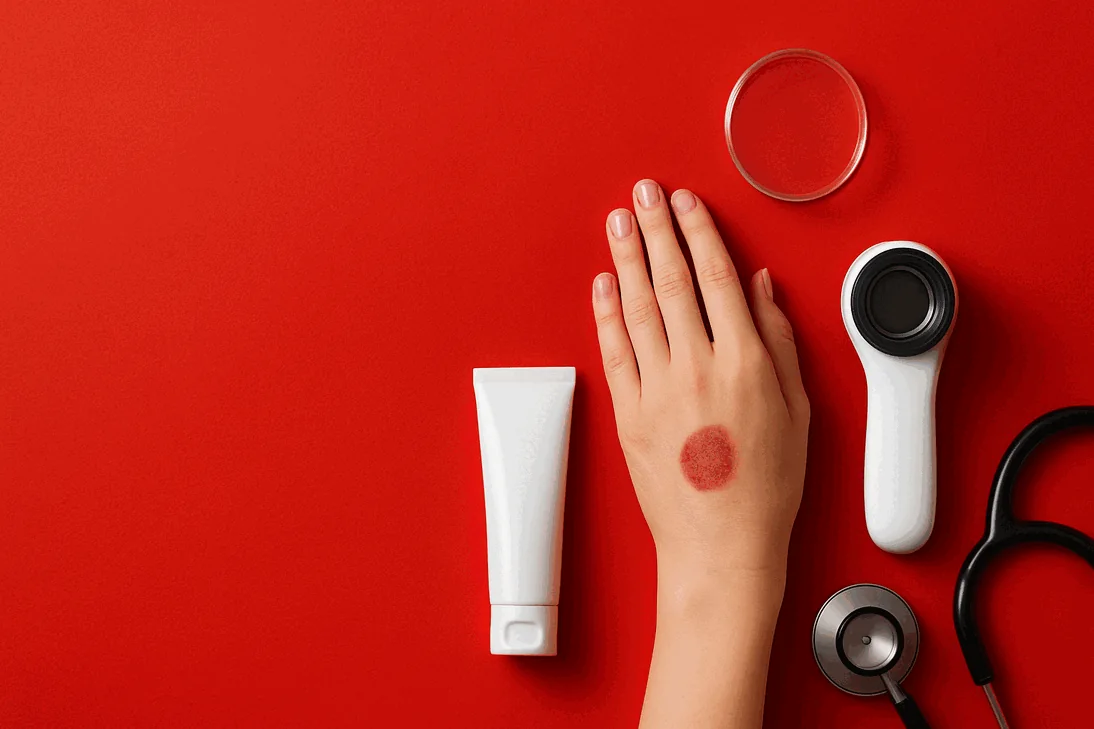
Invion Limited (ASX:IVX) has announced promising early findings from the initial phase of its Phase I/II clinical trial targeting non-melanoma skin cancer (NMSC). The Safety Review Committee (SRC) reported no adverse events among the first six patients treated with Invion’s lead drug candidate, INV043, applied as an ointment. This safety profile is particularly notable given the discomfort often associated with current photodynamic therapy (PDT) treatments.
Early Signs of Efficacy
Beyond safety, preliminary data indicates a reduction in lesion size following just one treatment cycle, observed at 15 and 30 days post-treatment. In contrast, untreated lesions in matched patients tended to increase slightly over the same period. While these results are early and based on a small cohort, they suggest INV043’s potential to effectively target NMSC lesions with minimal side effects.
A Dual Role: Therapy and Diagnostic
INV043 also demonstrated theragnostic capabilities during the trial. Under violet light, cancer cells treated with INV043 fluoresced, aiding in the precise identification of cancer margins. This diagnostic potential could help surgeons better delineate tumor boundaries, reducing the risk of incomplete removal or unnecessary excision of healthy tissue. Such a feature would be a valuable addition to skin cancer management.
Next Steps in Clinical Development
The trial is adaptive, allowing Invion to optimize treatment parameters such as light dose and timing. Following the SRC’s recommendations, the study will proceed to Part 2, employing the maximum light dose permitted and adjusting dose-light intervals to refine efficacy. Additionally, the safety data supports an upcoming Phase I/II anogenital cancer trial in collaboration with the Peter MacCallum Cancer Centre, which will explore INV043 in combination with immune checkpoint inhibitors, potentially enhancing cancer immunotherapy outcomes.
Market Context and Outlook
Non-melanoma skin cancer is among the most common cancers worldwide, with a global treatment market projected to reach over US$21 billion by 2032. Current treatments often involve surgery, which can cause scarring and discomfort. INV043’s ability to reduce lesions with minimal pain and without scarring positions it as a potentially disruptive alternative. Invion’s Photosoft™ technology, underpinning INV043, also holds promise beyond oncology, targeting infectious diseases and antibiotic-resistant pathogens.
Bottom Line?
INV043’s early safety and efficacy signals set the stage for critical dose optimization and expanded trials that could reshape skin cancer treatment.
Questions in the middle?
- How will dose optimization impact INV043’s efficacy and patient outcomes?
- What are the long-term safety and remission rates for INV043-treated patients?
- Can INV043’s theragnostic properties translate into improved surgical precision in broader clinical practice?