Hydrogen Truck Sales Depend on Grants: Can Pure Hydrogen Deliver on Its Promises?

Pure Hydrogen Corporation has secured over $3 million in new orders for hydrogen fuel cell trucks, including prime movers for Scott Lovatt Transport and concrete agitator trucks for Heidelberg Materials, signaling rising commercial adoption of clean transport technology in Australia.
- Sale agreement with Scott Lovatt Transport for two Taurus hydrogen prime movers valued over $2 million
- Second purchase order from Heidelberg Materials for hydrogen fuel cell concrete agitator truck
- Scott Lovatt Transport deal contingent on government grant funding approval
- Both hydrogen trucks to operate in NSW and Western Australia respectively
- Orders highlight growing commercial uptake of Pure Hydrogen’s zero-emission vehicle technology
New Orders Mark Momentum in Hydrogen Truck Adoption
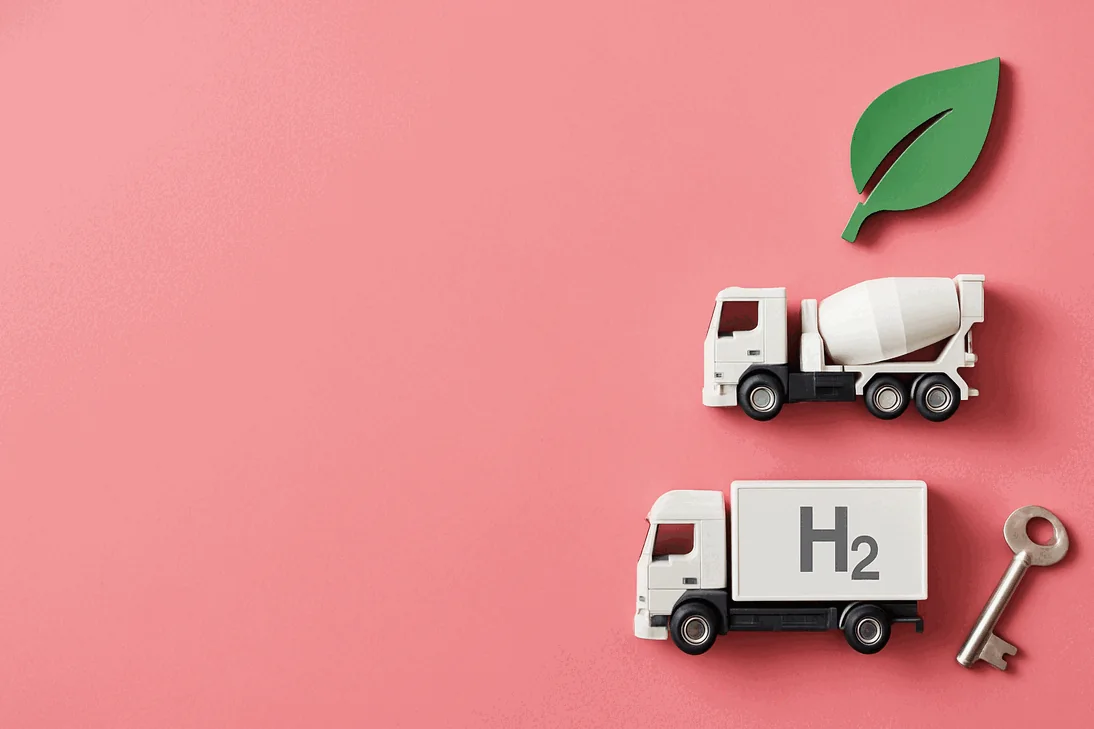
Pure Hydrogen Corporation Limited (ASX:PH2) has announced a significant boost to its commercial vehicle pipeline with new orders exceeding $3 million for hydrogen fuel cell (HFC) trucks. The company has signed a sale agreement with Scott Lovatt Transport for two Taurus Prime Mover trucks, valued at more than $2 million, alongside a follow-up purchase order from Heidelberg Materials for a second hydrogen fuel cell concrete agitator truck.
The Scott Lovatt Transport deal, based in Preston, NSW, is subject to the purchaser securing government grant funding aimed at supporting clean energy trucks. Both parties remain optimistic about obtaining this funding, which would facilitate the initial payment and move the project forward. This agreement follows Pure Hydrogen’s earlier milestone of delivering Australia’s first fully registered hydrogen prime mover, the Taurus, to Barwon Water in Victoria.
Heidelberg Materials Expands Hydrogen Fleet in WA
Heidelberg Materials, a major player in Australia’s building and construction materials sector, has doubled down on its commitment to sustainable transport by ordering a second hydrogen fuel cell concrete agitator truck. Both trucks will operate out of Rockingham, Western Australia, underscoring the company’s focus on reducing emissions in its heavy vehicle fleet. The vehicles are built on Pure Hydrogen’s T30-200 platform, featuring an 8×4 axle configuration and a 200kW fuel cell system designed specifically for concrete delivery operations.
These orders reflect Heidelberg Materials’ ongoing strategy to integrate zero-emission technologies into its operations, aligning with broader industry trends toward sustainability and carbon neutrality.
Strategic Implications and Market Positioning
Pure Hydrogen’s Managing Director, Scott Brown, highlighted that these new vehicle orders demonstrate the company’s growing traction in Australia’s commercial transport sector. The company’s first-mover advantage in hydrogen fuel cell technology, combined with its portfolio of battery electric and hybrid solutions, positions it well to capitalize on increasing demand for sustainable heavy vehicles.
While the Scott Lovatt Transport sale depends on government grant approvals, the confidence expressed by both parties suggests a strong likelihood of success. Delivery timelines extend into mid-2026 for the prime movers and early 2026 for the concrete agitator truck, indicating a medium-term horizon for revenue recognition and operational deployment.
Overall, these developments reinforce Pure Hydrogen’s role as a key player in the transition to zero-emission commercial vehicles in Australia, a sector poised for growth amid tightening environmental regulations and corporate sustainability commitments.
Bottom Line?
Pure Hydrogen’s expanding hydrogen truck orders signal accelerating momentum, but government grant outcomes will be pivotal to delivery and revenue timing.
Questions in the middle?
- Will Scott Lovatt Transport secure the necessary government grants to finalize the $2M sale?
- How quickly can Pure Hydrogen scale production to meet growing demand for hydrogen fuel cell trucks?
- What impact will these orders have on Pure Hydrogen’s financial performance in 2026 and beyond?