Why Did DGL Slash FY25 Profits Despite Revenue Growth?

DGL Group Limited has issued a corrected FY25 financial presentation, revealing lower EBITDA and NPAT figures due to operational challenges and restructuring costs. Despite revenue growth, the company faces a modified audit opinion on inventory and outlines strategic cost-cutting and growth investments.
- Revised FY25 underlying EBITDA down 19% to $52.1m
- Underlying NPAT plunges 78% to $3.5m amid goodwill impairments and asset write-downs
- Lead acid battery recycling losses and inflationary pressures weigh on results
- Significant investments in manufacturing capacity and system integrations underway
- FY25 results subject to audit with modified opinion expected on inventory
 Add us as a preferred source on Google
Corrected Financials Highlight Operational Challenges
DGL Group Limited (ASX:DGL) has released a replacement FY25 financial results presentation correcting discrepancies in its initial August release. The revisions include adjustments to FY24 and FY25 revenue, EBITDA, NPAT, and cash flow metrics. While revenue grew 3.5% to $481.5 million, underlying EBITDA declined 19% to $52.1 million, and underlying net profit after tax (NPAT) fell sharply by 78% to $3.5 million. The company also flagged a modified audit opinion expected on some inventory, underscoring ongoing financial scrutiny.
Lead Recycling Losses and Inflationary Pressures
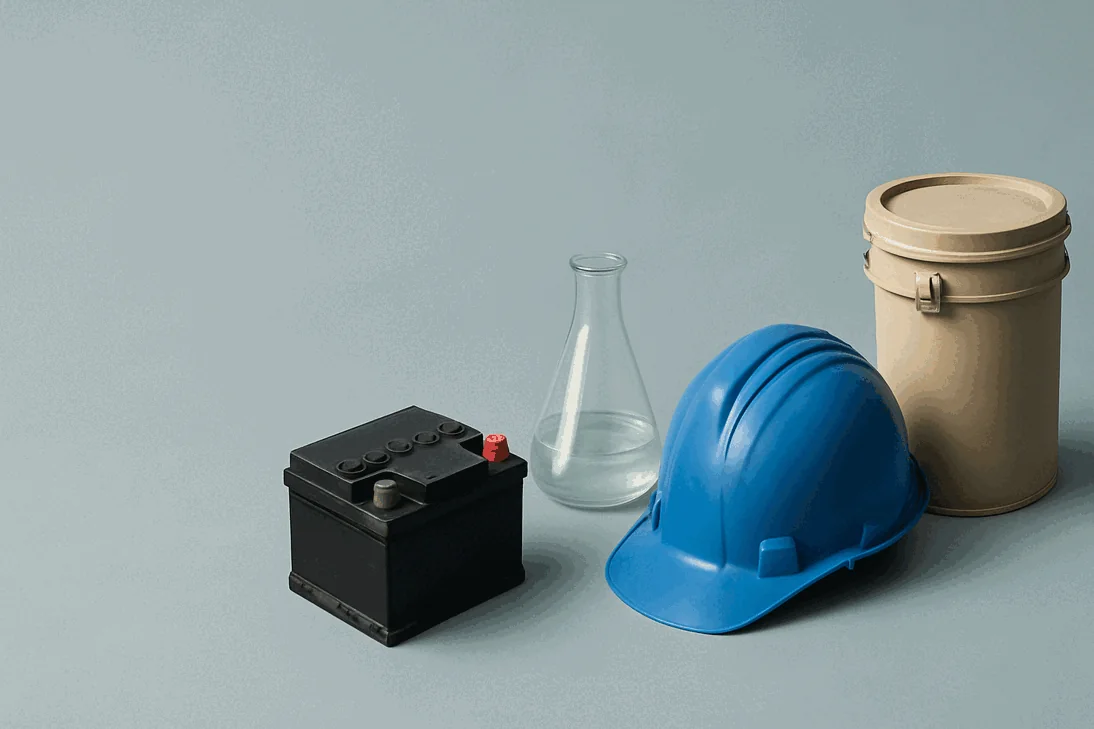
The FY25 results were notably impacted by material operational losses in the lead acid battery recycling segment, prompting the closure of the Laverton, Victoria site and a significant non-cash write-down of related plant and equipment. Inflationary pressures further increased operating expenses, with people costs rising by $12.5 million due to wage inflation, acquisitions, and a shared services rollout. These factors, combined with higher depreciation and finance costs from fleet and footprint expansion, weighed heavily on profitability.
Strategic Investments and Integration Efforts
Despite short-term profit pressures, DGL has invested significantly in expanding manufacturing capacity, particularly in crop protection and automotive chemicals, and in developing a new liquid waste treatment plant in New South Wales. The company is also progressing a major group-wide systems integration, consolidating over 30 standalone IT systems into unified ERP, HR/payroll, and logistics platforms. These initiatives aim to improve productivity, reduce costs, and support future growth.
Outlook and Market Position
DGL anticipates improved profitability in FY26 driven by integration benefits, cost reduction initiatives, and increased contributions from recent capital investments. The company expects to complete its transition from a collection of specialised businesses to a more integrated industrial group. However, it remains cautious about ongoing economic uncertainties and competitive pressures, particularly in the mining and lead acid battery markets. The diverse nature of its operations and critical role in essential industries across Australia and New Zealand provide some resilience.
Audit and Reporting Transparency
The replacement presentation includes a footnote that the FY25 financial results remain subject to audit review, with a modified audit opinion expected concerning inventory valuation. This introduces an element of uncertainty for investors, emphasizing the need for close monitoring of the final audited results and any subsequent market or regulatory developments.
Bottom Line?
DGL’s FY25 corrections and strategic reset set the stage for a pivotal FY26, but audit uncertainties and sector headwinds warrant investor vigilance.
Questions in the middle?
- What specific inventory issues are triggering the modified audit opinion?
- How quickly will cost reduction and integration initiatives translate into improved earnings?
- What is the outlook for the lead acid battery recycling market and its impact on DGL’s environmental segment?