Rickerscote Prospect Holds 710 Million Kg Hydrogen, Drilling Set for 2026

Whitebark Energy has installed hydrogen sensors at the Rickerscote prospect to refine drilling plans for a major exploration well in late 2026, aiming to unlock vast hydrogen, helium, and hydrocarbon resources.
- Ten hydrogen sensors deployed across Rickerscote structure
- Survey data expected by October 2025 to guide drilling location
- Rickerscote prospect holds significant hydrogen, helium, and hydrocarbons
- Farm-out process underway to secure technical and financial partners
- Water sampling planned with Traditional Owners’ agreement
 Add us as a preferred source on Google
Strategic Sensor Deployment at Rickerscote
Whitebark Energy has taken a decisive step in its exploration campaign by deploying ten advanced hydrogen sensors across the expansive Rickerscote prospect in South Australia. This giant sub-salt structure, spanning up to 400 square kilometres, is a focal point for the company’s ambitions to tap into Australia’s emerging hydrogen and helium resources.
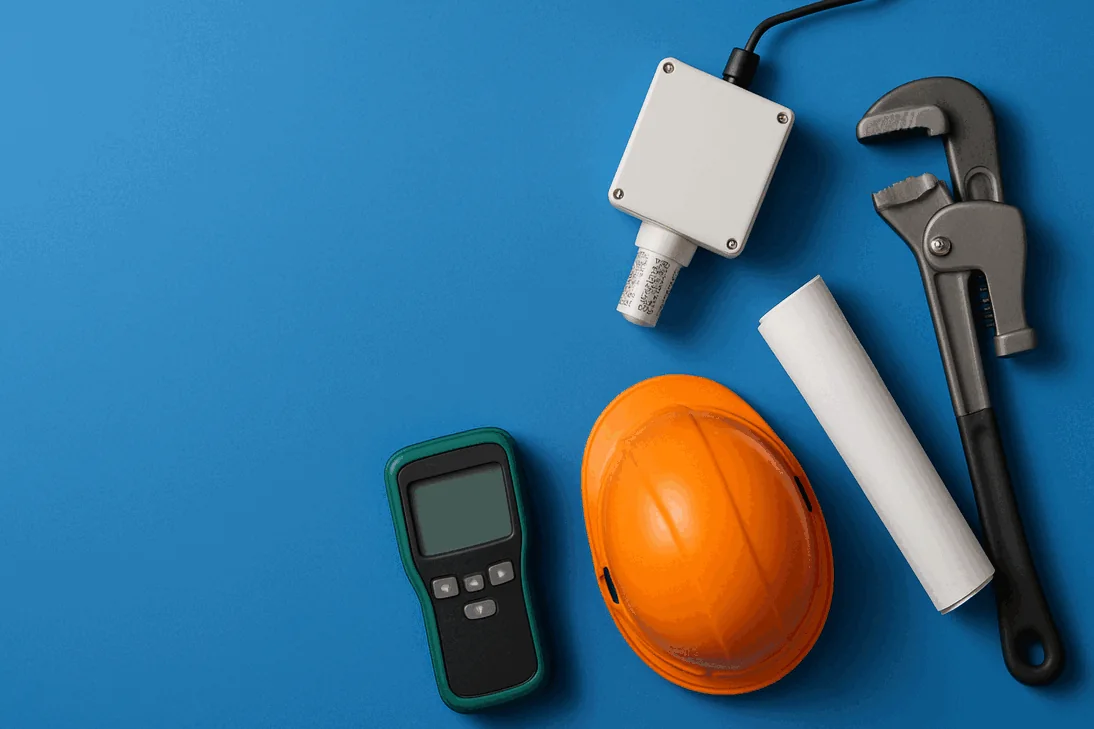
The sensors, known as IVYS, are designed to detect subtle hydrogen emissions at the surface, which can indicate active generation deep underground. By combining this new data with historical seismic and well information, Whitebark aims to pinpoint the optimal location for its first exploration well, Rickerscote-1, planned for the fourth quarter of 2026.
Unlocking a Multi-Resource Prospect
Rickerscote is not just about hydrogen. The prospect carries prospective volumes estimated at around 710 million kilograms of hydrogen, 97 billion cubic feet of helium, and 153 million barrels of oil equivalent hydrocarbons. Such scale could transform Whitebark’s position in the Officer Basin and potentially open a new frontier for energy resources in Australia.
In parallel with the sensor survey, Whitebark is negotiating access to existing water bores within the permit areas to sample for hydrogen, helium, and hydrocarbons. This water sampling, subject to agreement with the Maralinga Tjarutja Traditional Owners, is expected to complement the sensor data and further refine exploration targets.
Farm-Out and Partnership Prospects
Securing a farm-in partner remains a critical part of Whitebark’s strategy. The company is actively engaging with potential collaborators who can bring both technical expertise and financial resources to the project. Early feedback from industry participants has been encouraging, reinforcing confidence in the prospect’s unique scale and potential.
Chief Operating Officer Nik Sykiotis emphasised the importance of the sensor data in finalising the drilling location and reiterated the company’s commitment to attracting the right partner ahead of the well spud. The farm-out process is progressing on schedule, with further updates anticipated in the coming weeks.
Looking Ahead
The results from the hydrogen sensor survey are expected by October 2025 and will be a key milestone in Whitebark’s exploration timeline. Successful identification of hydrogen anomalies could significantly de-risk the drilling campaign and enhance the prospect’s appeal to investors and partners alike.
With the first well capable of unlocking a transformative resource base, all eyes will be on Whitebark’s next moves as it navigates the technical and commercial challenges ahead.
Bottom Line?
October’s sensor data will be a crucial litmus test for Whitebark’s ambitious Rickerscote project.
Questions in the middle?
- Will the hydrogen sensor data confirm active surface emissions to guide drilling?
- How will Traditional Owners’ agreements impact water sampling and exploration timelines?
- Which partners might join Whitebark to share technical and financial risks?