How Nanoveu’s Edge AI Chip Boosted Drone Flight Time by 60%

Nanoveu Limited has reported a major leap in drone endurance through its ultra-low-power AI chip technology, alongside advancing its next-generation 16 nm chip towards fabrication and expanding its U.S. sales network.
- 60% average drone flight-time increase via ultra-low-power AI control
- 16 nm ECS-DoT chip tape-out on track for Q4 2025 with TSMC FinFET process
- Completed OTCQB dual listing to access North American investors
- Established U.S. sales network targeting OEM design-ins
- Secured A$3.4 million in strategic funding to support growth and chip development
 Add us as a preferred source on Google
Nanoveu's Edge AI Breakthrough in Drone Efficiency
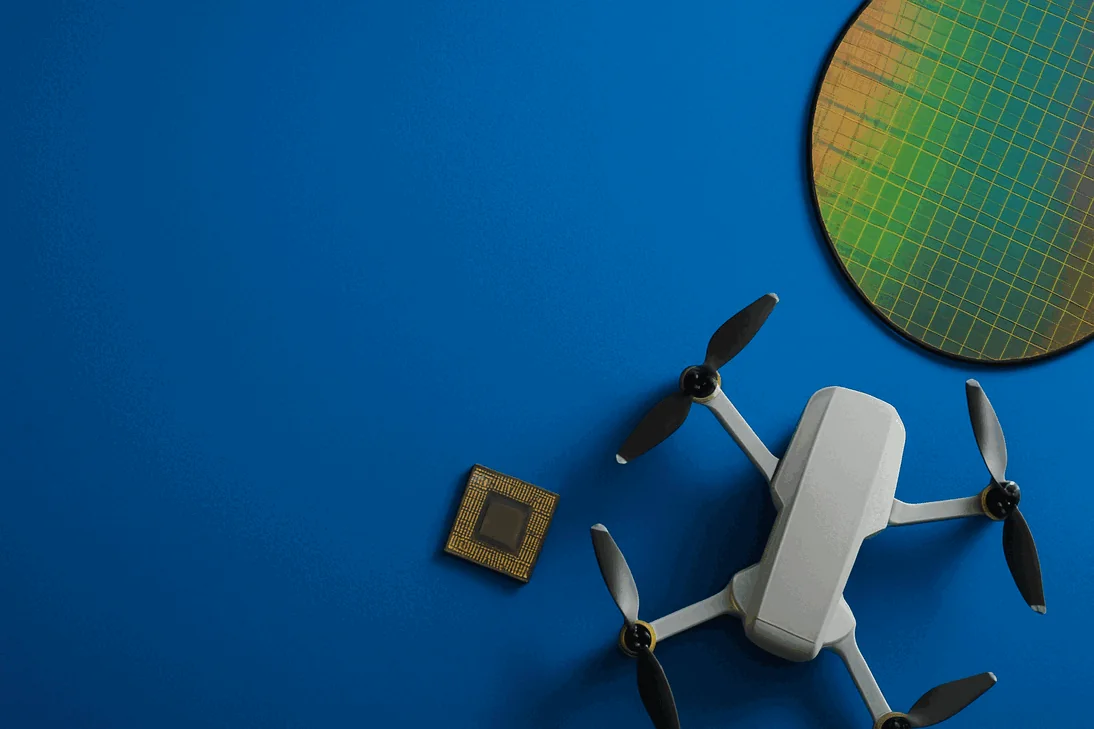
Nanoveu Limited (ASX:NVU) has delivered a compelling update for the quarter ended September 2025, showcasing significant technical and commercial progress in its Edge AI semiconductor division. The company’s ECS-DoT Phase 2 drone program demonstrated a remarkable 60% average increase in flight time across various drone platforms, achieved through ultra-low-power AI control consuming less than 1 milliwatt. This milestone not only validates earlier simulation results but also positions Nanoveu at the forefront of energy-efficient AI applications in unmanned aerial vehicles.
Advancing Next-Generation Chip Technology
On the semiconductor front, Nanoveu’s subsidiary EMASS has advanced its 16 nm ECS-DoT system-on-chip (SoC) development to the synthesis and fabrication stage, with tape-out scheduled for the final quarter of 2025. Partnering with the Centre for Nanoelectronics and Devices in Cairo and leveraging TSMC’s FinFET manufacturing process, this next-gen chip aims to deliver enhanced AI processing capabilities with ultra-low power consumption. The transition from the 22 nm prototype to 16 nm technology marks a critical step in Nanoveu’s roadmap to commercial viability and scalability.
Expanding Commercial Reach and Strategic Funding
Complementing its technical advances, Nanoveu completed a dual listing on the OTCQB market, broadening its investor base in North America. The company also established a dedicated U.S. sales network with manufacturer representatives strategically placed across key OEM hubs, targeting early design-in opportunities for its ECS-DoT SoC in autonomous drones, wearables, and industrial IoT sectors. This commercial momentum is underpinned by a successful capital raising of A$2.4 million and an additional A$1 million through option conversions, providing robust funding to support ongoing chip development and market expansion.
Live Testing and Industry Collaborations
Following the promising simulation results, Nanoveu has initiated live flight testing with nano-drones to replicate the endurance gains in real-world conditions. These trials also explore GPS-free indoor autonomy and multi-chip deployments, signaling a move towards practical applications. Additionally, a collaboration with Arrow Electronics aims to accelerate the deployment of Nanoveu’s ultra-low-power edge AI solutions by combining Arrow’s global engineering and supply chain expertise with EMASS’s technology, facilitating faster product development and market entry.
Financial Health and Outlook
Nanoveu ended the quarter with a cash position of A$3.388 million, supported by disciplined cost management and strategic funding initiatives. While operating cash flows remain negative due to ongoing R&D and manufacturing expenses, the company anticipates improved cash receipts from sales in upcoming quarters. With a clear focus on completing the 16 nm chip tape-out, expanding OEM engagements, and progressing commercial licensing, Nanoveu is poised for a pivotal phase of growth in the rapidly evolving Edge AI semiconductor market.
Bottom Line?
Nanoveu’s technical breakthroughs and strategic expansions set the stage for a critical commercial inflection point in Edge AI innovation.
Questions in the middle?
- Will live drone flight tests confirm the simulated 60% endurance gains under diverse real-world conditions?
- How quickly can Nanoveu convert early OEM engagements into commercial design wins and revenue streams?
- What impact will the collaboration with Arrow Electronics have on accelerating product deployment and market penetration?