Risks and Rewards: Cobalt Blue’s Shift to Recycled Feedstock for Kwinana Refinery

Cobalt Blue Holdings is pivoting its Broken Hill Technology Centre to process battery black mass, aiming to secure a sustainable domestic feedstock for its Kwinana Cobalt Refinery and unlock near-term revenue opportunities.
- Shift to battery black mass processing at Broken Hill Technology Centre
- Successful 2025 testwork extracting cobalt, nickel, and manganese
- Non-binding offtake interest from Hartree Partners for recycled cobalt metal
- Supports Australia’s Circular Economy Framework and critical minerals supply chain
- Advances Kwinana Cobalt Refinery toward Final Investment Decision
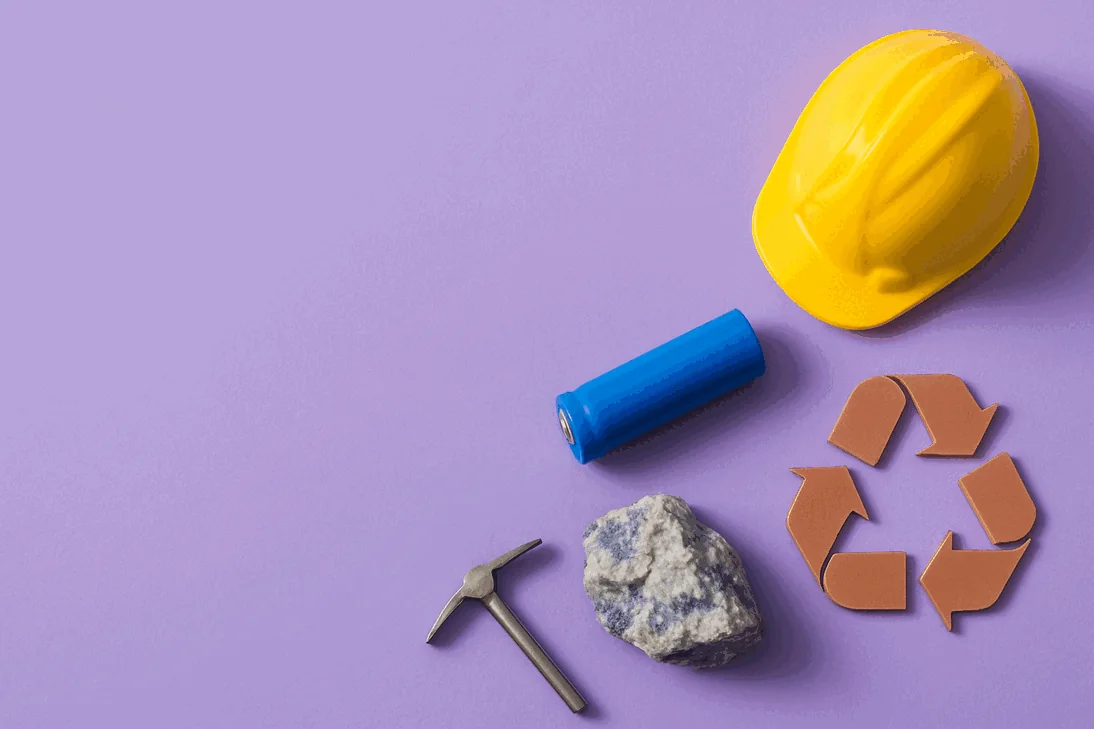
Strategic Shift to Battery Black Mass Recycling
Cobalt Blue Holdings Limited (ASX:COB) is advancing a significant pivot at its Broken Hill Technology Centre (BHTC), focusing on processing battery black mass as a domestic feedstock for its Kwinana Cobalt Refinery (KCR). This move aims to de-risk the refinery project by diversifying feedstock sources beyond traditional mining outputs, while potentially generating modest near-term revenues from BHTC operations.
Battery black mass is a high-value concentrate derived from recycling lithium-ion batteries, rich in cobalt, nickel, manganese, lithium, and graphite. With Australia’s current battery recycling rates lagging behind OECD peers, COB’s initiative aligns with national efforts to build a circular economy and strengthen critical minerals supply chains.
Successful Testwork and Commercial Interest
Throughout 2025, COB has conducted extensive testwork on black mass samples sourced from EcoBatt and other partners, demonstrating effective extraction of cobalt, nickel, and manganese. The company has successfully produced cobalt sulphate and LME-grade cobalt metal, meeting industry specifications.
Further commercial validation comes from a non-binding Letter of Intent from Hartree Partners, a global commodities firm, expressing interest in purchasing cobalt metal produced from recycled feedstock at BHTC. While preliminary, this signals market demand and potential pathways to formal offtake agreements.
Infrastructure and Regional Support
BHTC benefits from robust infrastructure, experienced personnel, and supportive local governance. Broken Hill Mayor Tom Kennedy highlighted the project’s potential to boost the local economy and employment, reinforcing the city’s legacy in mining innovation. The centre’s strategic location with access to transport networks and environmental permits further reduces project risk.
Implications for Kwinana Cobalt Refinery and Australia’s Critical Minerals Sector
The KCR project targets an initial production capacity of approximately 3,000 tonnes of cobalt sulphate and metal annually. Integrating black mass as a feedstock would enhance operational flexibility and supply chain resilience, particularly as domestic nickel projects remain idle. COB is progressing toward a Final Investment Decision, supported by these technological and commercial milestones.
Beyond cobalt, COB is exploring recovery of lithium and graphite from black mass, potentially broadening its critical minerals portfolio. This initiative complements Australia’s strategic ambitions to develop sustainable, circular supply chains for battery materials, reducing reliance on traditional mining and imports.
Bottom Line?
Cobalt Blue’s black mass recycling push could redefine its refinery’s feedstock strategy and Australia’s battery materials landscape.
Questions in the middle?
- Will COB secure binding offtake agreements with Hartree or other partners?
- Can black mass processing scale efficiently to meet Kwinana Refinery’s feedstock needs?
- How will evolving battery recycling rates in Australia impact long-term feedstock availability?