Exclusive License Raises Stakes for First Graphene Amid Growing Carbon Paste Market

First Graphene has locked in a 12-month exclusive global license to develop and sell graphene-enhanced carbon paste, a breakthrough material already boosting solar cell efficiency and cutting costs.
- Exclusive 12-month global license agreement with Halocell Australia
- Graphene carbon paste doubles efficiency of perovskite solar cells
- Product reduces production costs via roll-to-roll manufacturing
- Applications span electronics, aerospace, renewable energy sectors
- Manufacturing to commence soon at First Graphene’s Henderson facility
 Add us as a preferred source on Google
Exclusive Agreement Marks New Commercial Phase
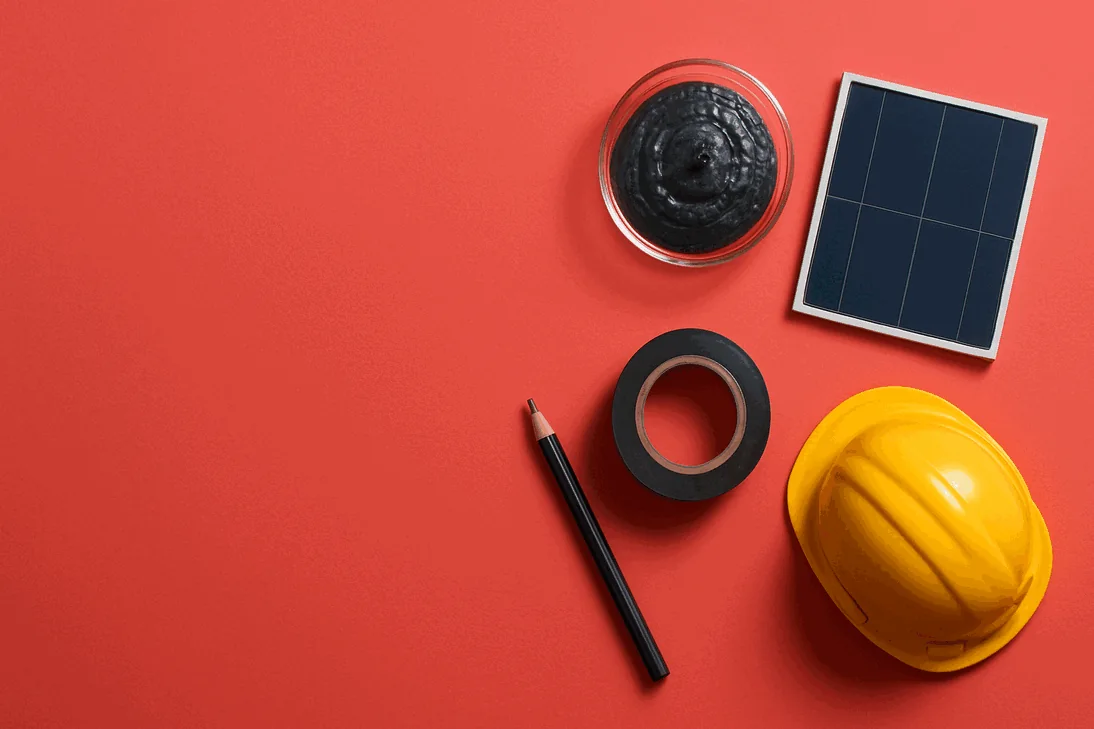
First Graphene Limited (ASX:FGR) has taken a significant step forward by securing exclusive global rights to develop, produce, market, and sell graphene-enhanced carbon paste through a 12-month license agreement with Halocell Australia. This move builds on a foundation of collaboration dating back to 2022, positioning First Graphene to commercialize a product already proven in the field.
The carbon paste, enhanced with First Graphene’s proprietary PureGRAPH, is a conductive coating that has already demonstrated remarkable performance improvements in Halocell’s perovskite solar cells (PSCs). These PSCs have doubled their efficiency to over 30% and slashed production costs by leveraging roll-to-roll deposition technology, a manufacturing method that enables thin-film solar cells to be produced at scale and lower cost.
Broad Market Potential Beyond Solar
While the immediate application in perovskite solar cells is impressive, the potential reach of this graphene carbon paste extends far beyond. The product’s conductive properties make it suitable for a wide range of flexible printed electronics, energy generation and storage devices, heating systems, sensors, electrodes, and electrochemical mixes. Halocell’s CEO Paul Moonie highlighted the opportunity to market this advanced material globally, emphasizing Australian manufacturing’s role in pioneering this new material revolution.
Notably, Halocell’s PSCs are already commercially available and sold worldwide for small electronic devices, particularly excelling in low-light conditions. The partnership with aerospace and battery developers like V-Tol Aerospace and Li-S (ASX:LIS) signals ambitions to integrate this technology into lightweight power solutions, potentially extending electric drone flight durations significantly.
Strategic Manufacturing and Market Expansion
First Graphene plans to begin manufacturing sample graphene-enhanced carbon paste at its Henderson facility in Western Australia within the next month. This step is critical to scaling production and meeting anticipated demand. The company’s Managing Director Michael Bell underscored the strategic value of leveraging existing intellectual property and the broad market opportunity, noting the carbon paste market alone is expected to more than double to around US$2.8 billion by 2032.
The agreement includes a royalty arrangement where Halocell receives 10% on sales, aligning incentives as both companies push to expand the product’s footprint. This collaboration exemplifies how advanced materials like graphene can drive efficiency gains and cost reductions in renewable energy and beyond, supporting global decarbonization efforts.
Looking Ahead
As First Graphene moves from development to commercialization, the coming months will be crucial in validating market demand and scaling manufacturing capabilities. The company’s ability to penetrate diverse sectors; from electronics to aerospace; will test the versatility and commercial viability of this graphene-enhanced carbon paste.
Bottom Line?
First Graphene’s exclusive license sets the stage for a global push in advanced graphene applications, with market adoption and scale-up the next critical hurdles.
Questions in the middle?
- Will the 12-month exclusivity lead to longer-term global rights or partnerships?
- How quickly can First Graphene scale manufacturing to meet anticipated demand?
- What competitive responses might emerge from traditional conductive material suppliers?