Nanoveu Advances Edge AI with 16nm ECS-DoT SoC Tape-Out at TSMC

Nanoveu’s subsidiary EMASS has successfully taped out its next-generation 16nm ECS-DoT ultra-low-power Edge AI system-on-chip, now entering production at TSMC. This milestone marks a significant step in scaling their proven 22nm platform to deliver enhanced performance and integration for always-on AI applications.
- EMASS completes tape-out of 16nm ECS-DoT SoC, entering fabrication at TSMC
- 16nm chip offers higher computing density, expanded memory, and integrated Bluetooth Low Energy
- Maintains software compatibility with existing 22nm ECS-DoT platform
- Targets ultra-low-power always-on AI applications in wearables, industrial sensing, and smart infrastructure
- Strengthens Nanoveu’s Atoms-to-Apps silicon development roadmap
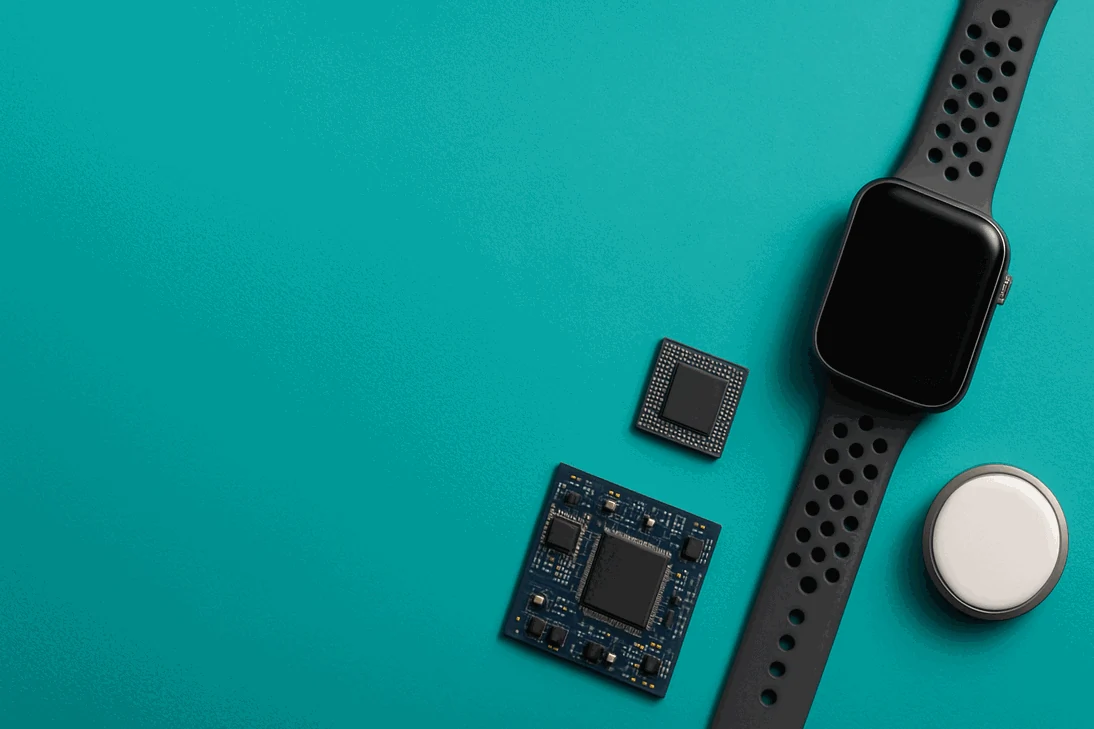

Nanoveu’s Next-Gen Edge AI Chip Enters Production
Nanoveu Limited’s wholly owned subsidiary, EMASS, has reached a pivotal milestone with the successful tape-out of its 16nm ECS-DoT system-on-chip (SoC). This ultra-low-power Edge AI chip has now entered fabrication at Taiwan Semiconductor Manufacturing Company (TSMC), signalling a critical transition from design to production silicon. The move to a 16nm process node represents a significant technical achievement, scaling up from the company’s existing 22nm ECS-DoT platform.
Enhanced Performance Without Compromising Power Efficiency
The 16nm ECS-DoT SoC brings several architectural improvements, including increased logic density and expanded on-chip SRAM, which support more complex AI workloads while preserving the ultra-low-power operation essential for edge devices. Notably, the chip integrates a Bluetooth Low Energy subsystem directly on-chip, reducing the need for external components and simplifying device design. Additional enhancements include a dedicated AI acceleration module for object detection and the introduction of a floating-point unit to accelerate mixed-precision AI and digital signal processing tasks.
Seamless Software Compatibility and Market Validation
One of the standout features of the 16nm ECS-DoT is its full software and workflow compatibility with the earlier 22nm generation. This continuity allows developers and customers to scale their applications without redesigning platforms or toolchains, easing adoption and accelerating time to market. The existing 22nm ECS-DoT SoC is already commercially available and integrated into devices across wearables, industrial sensing, asset tracking, and smart infrastructure, providing a proven foundation for the new generation.
Strategic Alignment with Nanoveu’s Atoms-to-Apps Vision
This development aligns closely with Nanoveu’s Atoms-to-Apps philosophy, which integrates application requirements, silicon architecture, and system deployment into a unified approach. Dr. Mohamed M. Sabry Aly, EMASS founder and Nanoveu director, emphasised that the tape-out validates years of architectural decisions and positions the company to support a broader range of always-on edge intelligence applications without compromising energy efficiency.
Looking Ahead
As the 16nm ECS-DoT progresses through fabrication and silicon validation, Nanoveu is poised to deepen its footprint in the rapidly growing edge AI market. The company’s ability to deliver advanced, energy-efficient AI processing at the edge could open new opportunities across multiple industries, from consumer wearables to industrial IoT.
Bottom Line?
Nanoveu’s 16nm ECS-DoT tape-out sets the stage for broader adoption of ultra-low-power edge AI, but market traction will depend on successful silicon validation and customer integration.
Questions in the middle?
- When will Nanoveu complete silicon validation and begin volume production of the 16nm ECS-DoT?
- How quickly will customers transition from the 22nm to the 16nm platform in their product designs?
- What competitive advantages will Nanoveu’s 16nm ECS-DoT offer against other edge AI SoCs in the market?