How Will Tlou Energy Power Botswana’s Future with Gas and Solar?

Tlou Energy progresses its Lesedi Power Project in Botswana, integrating gas-fired and solar power for a modular data centre, while navigating operational challenges and funding delays.
- Installation of gas-fired generators at Lesedi data centre
- Plans to add up to 5MW solar power with potential expansion
- Challenges with coal seam dewatering affecting gas production
- Electrical substation near completion but delayed by funding
- Company seeking additional funding with cash reserves at A$323,000

Progress at Lesedi Power Project
Tlou Energy Limited is steadily advancing its Lesedi Power Project in Botswana, aiming to deliver a hybrid gas and solar power solution to support a modular data centre on site. The project centres on utilising coal bed methane (CBM) gas from the Lesedi wells to fuel gas-fired generators, complemented by plans to incorporate solar photovoltaic (PV) power to enhance sustainability and reliability.
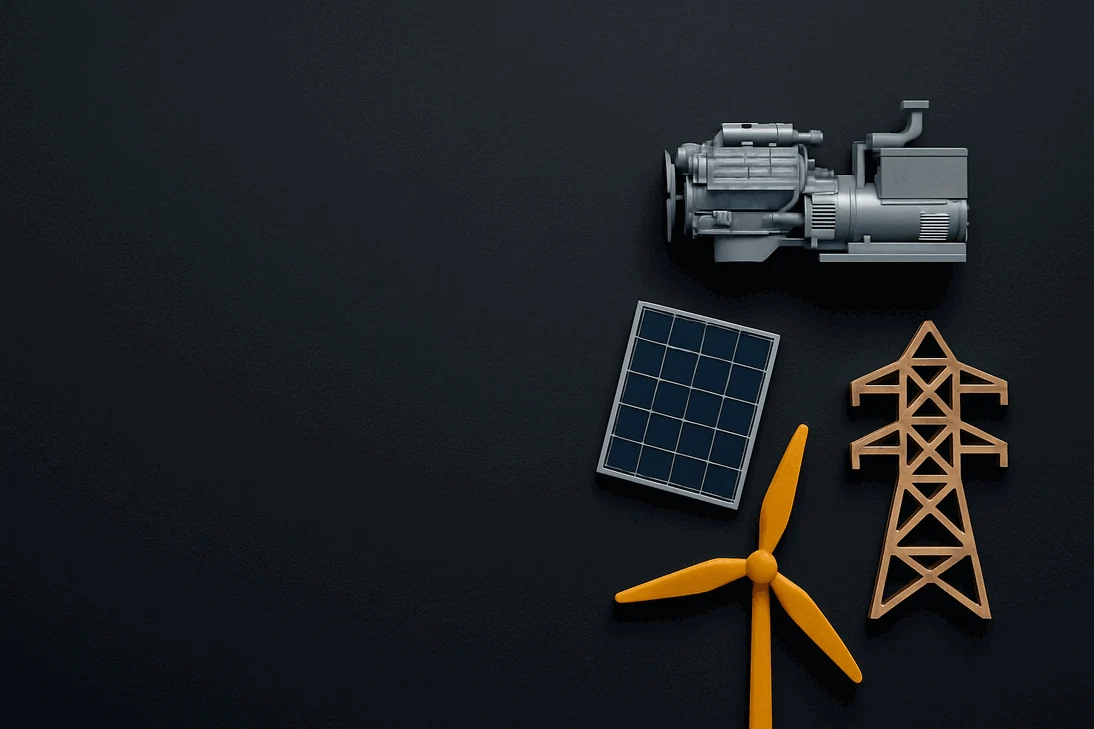
During the December quarter, two 250kV gas-fired generators arrived after significant shipping delays and have been installed adjacent to the first data centre unit. The gas gathering infrastructure connecting the Lesedi 4 well to these generators is nearing completion, with electrical connections underway. Initial power production is expected to be modest, serving as a proof of concept, with plans to increase output contingent on drilling additional gas wells.
Operational Challenges and Innovation
One of the key technical hurdles Tlou faces is the dewatering of the coal seams, a critical factor in enhancing gas flow rates. Unlike established CBM basins in Australia or the US, Botswana’s coal seams have not been previously dewatered, complicating production efforts. The company is evaluating various options, including alternative well designs and stimulation techniques, to improve gas extraction efficiency.
In parallel, Tlou and its data centre partner Kala Data FZCO are exploring the integration of solar power to complement gas generation. An initial 5MW solar field is under consideration, with Kala expressing interest in installing 1MW of solar PV for immediate needs. This hybrid approach aims to provide 24-hour baseload power by leveraging solar energy during the day and gas-fired generation at night, a notable differentiator from standalone solar projects.
Infrastructure and Funding Status
The electrical substation at Lesedi is approximately 90% complete but its finalisation has been delayed pending the securing of additional funding. This substation is critical for connecting both gas and solar power to the national grid, enabling broader electricity supply beyond the data centre.
Financially, Tlou Energy’s cash reserves stood at around A$323,000 as of December 31, 2025, underscoring the urgency of securing further capital. The company is actively engaging with potential investors in Botswana and Australia, including its largest shareholder ILC Investments Pty Ltd, to arrange debt or equity funding. No firm commitments have been announced yet, but the board prioritises funding within the next quarter to maintain project momentum.
Looking Ahead
While the Lesedi project remains at an early stage with inherent risks typical of pioneering CBM development in Botswana, Tlou Energy’s hybrid gas-solar strategy positions it uniquely in the regional energy landscape. Success in overcoming technical and financial challenges could unlock significant value, not only for the company but also for Botswana’s energy infrastructure and digital economy.
Bottom Line?
Tlou’s next steps hinge on securing funding and proving gas production scalability to realise its hybrid power ambitions.
Questions in the middle?
- Will Tlou secure the necessary funding to complete the Lesedi substation and expand gas production?
- How effectively can the company overcome coal seam dewatering challenges to boost gas flow?
- What timeline can investors expect for the solar integration and full-scale data centre operation?