Spectur’s Q2 Revenue Climbs 4.5% to $2.02M, Boosted by Capital Raise

Spectur Limited reported a 4.5% increase in quarterly revenue to $2.02 million and secured $2.15 million through a share placement to fund its AI-driven Sense-Think-Act platform development.
- Q2 FY26 revenue up 4.5% to $2.02 million
- Successful $2.15 million share placement completed
- Operating cash outflows improved by $250k quarter-on-quarter
- Launched SS7 dual-camera system targeting construction security
- Secured AI proof-of-concept projects including rock fishing safety and telco trial
Revenue Growth Amid Seasonal Trends
Spectur Limited (ASX, SP3) has posted a 4.5% increase in revenue for the second quarter of fiscal 2026, reaching $2.02 million compared to $1.93 million in the previous quarter. This uptick aligns with typical seasonal patterns in the security and surveillance sector, where demand tends to rise ahead of the holiday season. While revenue remains slightly below the prior corresponding period last year, the company’s performance signals steady progress amid a competitive market.
Capital Raising to Fuel AI and Platform Development
During the quarter, Spectur successfully completed a share placement raising $2.15 million. These funds are earmarked primarily for advancing the company’s Sense-Think-Act platform, with a focus on enhancing artificial intelligence capabilities, modernising software architecture, and improving customer experience through automation. This capital injection also supports working capital needs tied to project delivery and procurement, providing the company with greater balance sheet flexibility as it navigates its transformation journey.
Operational Efficiency and Cost Management
The company reported an improvement in operating cash outflows, which decreased by $250,000 to $2.17 million compared to the prior quarter. This was driven by tighter cost controls, including reductions in product manufacturing expenses and administrative costs. However, staff costs rose due to redundancy payments and payroll timing effects, reflecting ongoing internal restructuring efforts. Spectur also transitioned to paying superannuation contributions in line with employee pay cycles ahead of upcoming regulatory changes, a move expected to enhance compliance and cash flow forecasting despite short-term cash impacts.
Product Innovation and Strategic Partnerships
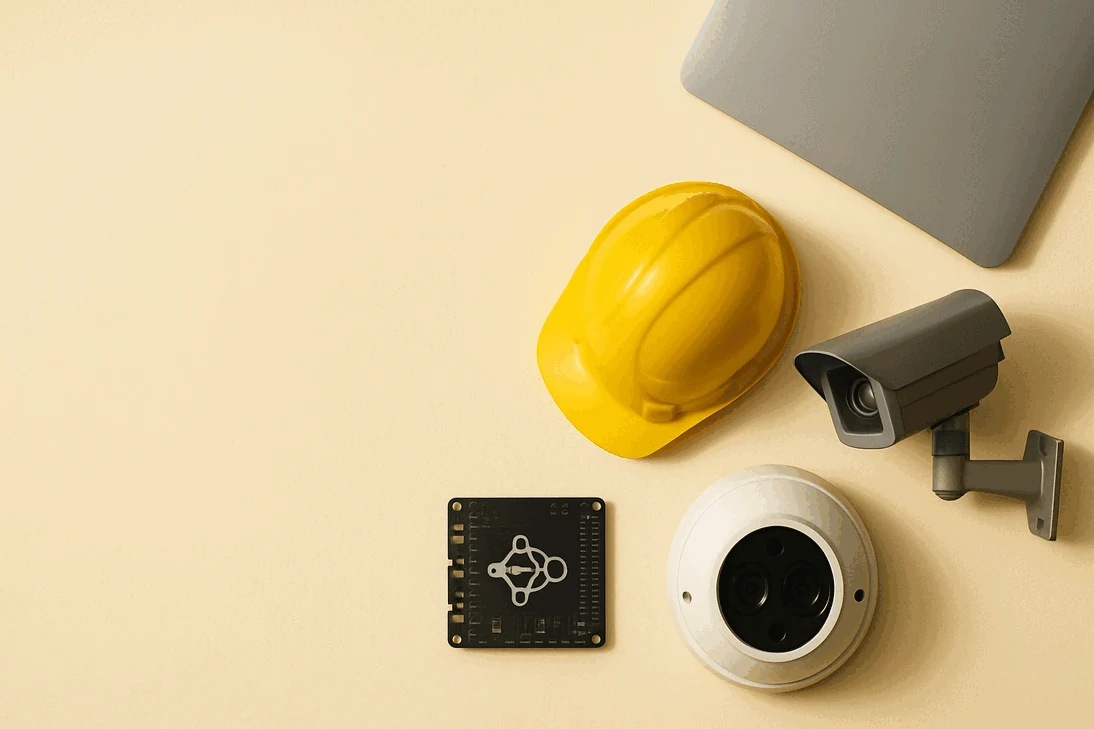
In response to increased competition in its mobile security rental operations, particularly in construction and short-term hire segments, Spectur launched the SS7 dual-camera system targeting the construction security market. This product launch was supported by an aggressive marketing campaign aimed at regaining deployment momentum and pricing power. Additionally, the company secured multiple AI-focused proof-of-concept projects, including a rock fishing safety initiative designed to detect fishermen swept off rocks and a critical infrastructure trial with one of Australia’s largest telecommunications providers. While these projects are not yet revenue material, they validate Spectur’s strategic direction and are expected to influence future product development.
Looking Ahead
Despite some timing-related challenges in cash inflows and the delayed receipt of an expected R&D tax refund, management remains confident that operating cash flow will normalise in coming quarters. The company’s focus on operational efficiency, recurring revenue quality, and its AI-driven technology roadmap positions it well to manage near-term market pressures while building long-term shareholder value.
Bottom Line?
Spectur’s strategic investments in AI and operational discipline set the stage for a pivotal year ahead amid evolving market dynamics.
Questions in the middle?
- How quickly will AI proof-of-concept projects translate into meaningful revenue streams?
- What impact will increased competition in the rental fleet have on pricing and deployment velocity?
- When will the delayed R&D tax refund be received, and how might this affect near-term cash flow?