Can Temas’ RCL Technology Deliver on Promised Cost Cuts Amid Resource Expansion?

Temas Resources has launched a major re-assay initiative on historic drill core at its La Blache project, aiming to identify valuable metals like gallium, scandium, and chromium while saving millions in drilling costs.
- Re-assaying 36,614m of historic drill core to identify additional critical metals
- Potential discovery of gallium, scandium, and chromium alongside titanium and vanadium
- Estimated $40 million savings by avoiding new drilling and accelerating development
- Integration of proprietary Regenerative Chloride Leach (RCL) technology for cost-effective metal recovery
- Updated Mineral Resource Estimate and Scoping Study to include new payable metals

Historic Core Reassessed to Unlock Hidden Value
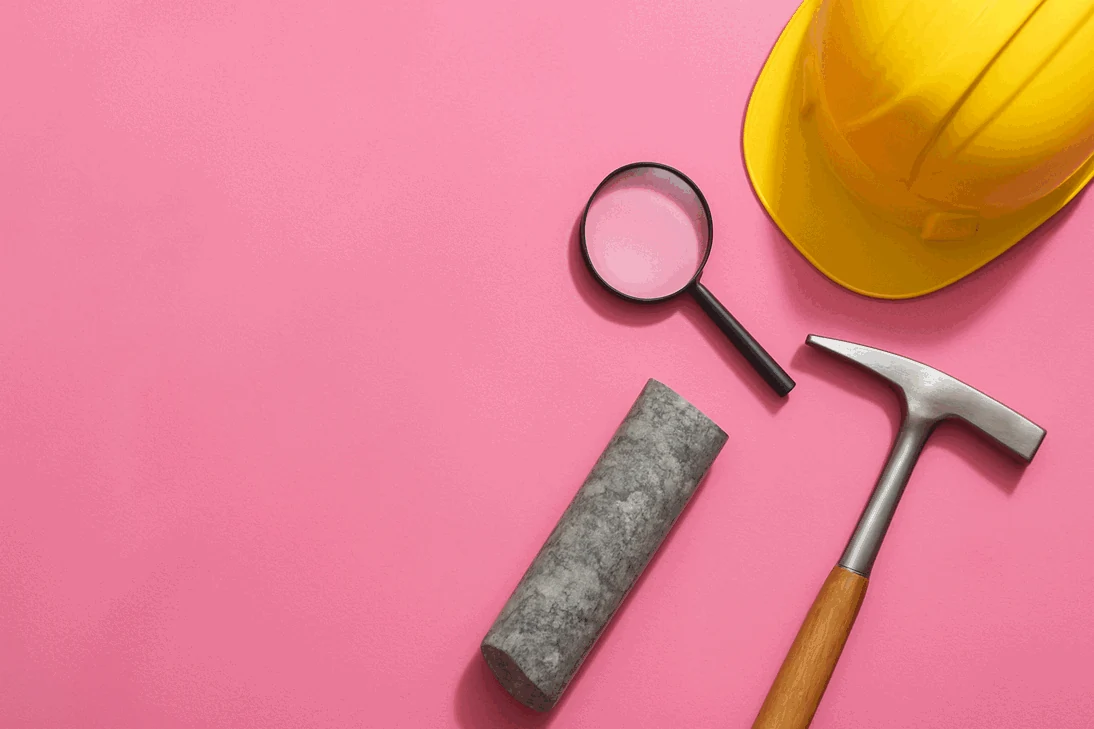
Temas Resources Corp has embarked on an ambitious re-assay program at its La Blache titanium-vanadium-iron project in Quebec, revisiting over 36,600 metres of historic drill core. This initiative aims to uncover additional critical metals such as gallium, scandium, and chromium, which were not fully evaluated in earlier exploration phases. By repatriating and re-logging this extensive core, Temas expects to save approximately $40 million in future drilling costs and significantly accelerate the project’s development timeline.
Previous operators had only assayed for a limited set of metals, primarily titanium, vanadium, and iron, using older digestion protocols. Temas’ approach involves advanced fusion assays at ALS laboratories in Montreal, designed to deliver precise whole-rock and trace metal analyses. This thorough re-evaluation could expand the resource base and add new revenue streams from these valuable by-products.
Driving Efficiency with Proprietary Processing Technology
Complementing the re-assay program, Temas is advancing its patented Regenerative Chloride Leach (RCL) technology, which promises up to 65% cost reductions in metal extraction compared to conventional methods. Operating at atmospheric pressure and lower temperatures, the RCL process also boasts a closed-loop reagent recycling system, reducing environmental impact and operating expenses.
The company plans to use both historic and recent drill core to refine metallurgical testwork throughout 2026. Early results from these tests are expected in the first quarter, with ongoing updates anticipated as the program progresses. The integration of RCL technology with the expanded resource could position La Blache as a low-cost, environmentally responsible supplier of critical metals.
Implications for Resource Estimates and Project Economics
Temas intends to incorporate the re-assay results into an updated Mineral Resource Estimate and a re-stated Scoping Study. This will include an additional 30 million tonnes of measured and indicated titanium dioxide resources, as well as the newly identified gallium, scandium, and chromium credits. Such enhancements could materially improve the project’s economic outlook and support subsequent feasibility studies.
While the current resource estimates are foreign estimates not yet compliant with the JORC Code, the company is actively working towards validating these figures through ongoing assay and metallurgical programs. The successful demonstration of RCL technology at commercial scale remains a critical milestone for Temas’ strategy.
A Strategic Step for Western Critical Minerals Independence
Temas Resources’ dual focus on proprietary processing innovation and strategic mineral ownership reflects a broader industry trend towards sustainable, cost-effective critical mineral production. By leveraging historic data and cutting-edge technology, Temas is positioning itself to contribute to Western supply chain resilience for metals essential to clean energy and advanced manufacturing.
As the company progresses through 2026, investors and industry watchers will be keenly observing assay results, metallurgical advancements, and updated economic studies that could redefine the value proposition of the La Blache project.
Bottom Line?
Temas’ re-assay program and RCL technology advancement could reshape La Blache’s value, but commercial validation remains key.
Questions in the middle?
- Will the re-assay results confirm commercially viable grades of gallium, scandium, and chromium?
- How quickly can Temas integrate RCL technology at scale to realise projected cost savings?
- When can investors expect JORC-compliant resource updates reflecting the expanded mineral inventory?