Firebird’s Exclusive LMFP Licence Raises Stakes in Global Battery Materials Race

Firebird Metals has locked in exclusive global rights to five critical LMFP patents, solidifying its position in the lithium-ion battery materials market and paving the way for its Australian Demonstration Plant.
- Exclusive licence for five core LMFP patents granted globally (ex-China) until 2045
- Licence formally registered and approved by Chinese authorities
- Strengthens Firebird’s manganese-based cathode materials IP portfolio
- Supports commercialisation strategy including 2026 Australian Demonstration Plant
- Licence granted on a gratuitous basis with no fee payable

Exclusive Licence Secures Firebird’s Global IP Control
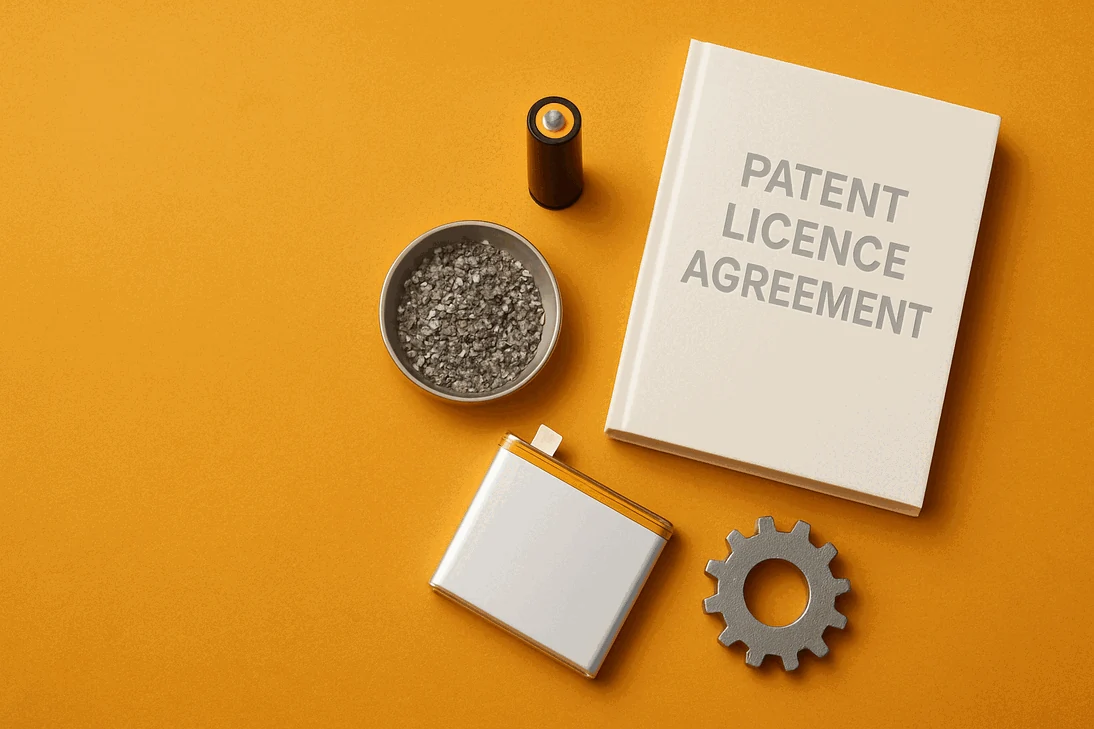
Australian battery materials innovator Firebird Metals Limited (ASX:FRB) has taken a significant step in cementing its intellectual property position by securing an exclusive licence agreement for five key patents related to lithium manganese iron phosphate (LMFP) cathode materials. The agreement, granted by its wholly owned Chinese subsidiary Hunan Firebird Battery Technology Co., Ltd., confers global rights; excluding China; until 2045.
This licence has been formally registered and approved by the China National Intellectual Property Administration (CNIPA) and the Ministry of Commerce’s representative office in Changde, underscoring the legal robustness of Firebird’s control over these patents. The patents cover proprietary improvements in LMFP cathode active materials and precursor technologies, which are central to Firebird’s advanced battery materials platform.
Technology Edge and Commercial Implications
Firebird’s patented technology is touted as a world first, offering an energy-efficient and cost-effective process that bypasses conventional manganese ore processing steps. Its ore-agnostic approach allows the production of high-quality cathode materials from various manganese ore types without compromising performance. This vertically integrated process spans hydrometallurgy, purification, and cathode material manufacture, anchored by an energy-efficient kiln and advanced crystallisation techniques.
The exclusive licence agreement not only secures Firebird’s long-term rights to this technology but also strengthens barriers to entry for competitors. It positions the company favourably for integration into global downstream battery material supply chains, a critical factor as demand for lithium-ion batteries surges in electric vehicles and energy storage markets.
Pathway to Commercialisation and Future Growth
Firebird’s CEO, Ron Mitchell, highlighted the milestone as pivotal for the company’s commercial trajectory. The licence agreement supports the planned deployment of Firebird’s Australian Demonstration Plant (ADP) in 2026, which aims to showcase a fully integrated processing and technology solution for next-generation battery materials. This demonstration plant will be a crucial step toward scaling production and attracting commercial partnerships.
Moreover, the licence’s gratuitous nature; no fee payable; raises interesting questions about the internal structuring of Firebird’s IP management and potential future monetisation strategies through equipment sales and licensing. The company’s substantial manganese resource base in Western Australia, including the Oakover and Hill 616 projects, provides optionality for ore sourcing, complementing its technology platform.
Overall, this exclusive licence agreement marks a defining moment for Firebird Metals, reinforcing its intellectual property moat and setting the stage for its emergence as a key player in the global battery materials sector.
Bottom Line?
Firebird’s exclusive LMFP licence sets the stage for its 2026 demonstration plant and a stronger foothold in the battery materials race.
Questions in the middle?
- How will Firebird monetise its LMFP technology beyond the demonstration plant?
- What commercial partnerships or supply agreements might emerge from this strengthened IP position?
- Could the gratuitous licence fee indicate future internal licensing or revenue-sharing arrangements?