Speculative Risks Highlighted as AuMEGA Metals Pursues Major Canadian Capital Raise

AuMEGA Metals has announced a C$5.35 million capital raising via a flow-through unit offer aimed at advancing its exploration projects in Newfoundland and Labrador. The offer includes shares and warrants, targeting Canadian charity investors with tax incentives.
- 98.4 million flow-through units offered at C$0.0544 each
- Funds to support expanded drilling in Newfoundland and Labrador
- Offer includes warrants exercisable at C$0.055 within 30 months
- Small cleansing offer to remove trading restrictions on prior shares
- Speculative investment with detailed risk disclosures

 Add us as a preferred source on Google
Capital Raising to Accelerate Exploration
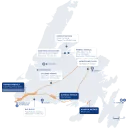
AuMEGA Metals Limited (ASX:AAM, TSXV: AUM) has issued a prospectus dated 3 March 2026 for a capital raising via a Tranche 1 flow-through (CF) offer. The company is seeking to raise approximately C$5.35 million by issuing 98,376,589 CF Units, each comprising one share and one warrant, priced at C$0.0544 per unit. This funding is earmarked primarily to advance AuMEGA's exploration programs in Newfoundland and Labrador, Canada, including expanded drilling across key projects such as Cape Ray, Cape Ray West (including Isle aux Morts Granite), and Bunker Hill.
The offer is targeted specifically at Canadian charity investors, leveraging the flow-through share structure under Canadian tax law. This structure allows investors to claim tax deductions and federal tax credits for qualifying exploration expenditures renounced by the company, providing a significant incentive for participation. The warrants attached to the units are exercisable at C$0.055 within 30 months, offering potential upside for investors.
Strategic Use of Funds and Market Position
Proceeds from the raising will also support early-stage exploration activities at additional targets such as Hermitage and Intersection, alongside general corporate and working capital needs. The company’s pro forma financial statements indicate a strengthened cash position post-raising, enhancing its capacity to pursue its exploration agenda in a highly prospective Canadian jurisdiction.
AuMEGA’s shares are listed on the ASX and TSXV, with the new shares from this offer to be quoted on both exchanges. The company also includes a nominal cleansing offer of up to 10,000 shares to remove trading restrictions on previously issued shares, ensuring liquidity and compliance with Australian securities laws.
Risk Factors and Investor Considerations
The prospectus is clear in highlighting the speculative nature of the investment. Key risks include the inherent uncertainties of mineral exploration, foreign jurisdictional risks related to Canadian government regulation, and the complexities surrounding flow-through share tax treatments. The company also outlines risks related to environmental compliance, commodity price volatility, and the need for future capital to sustain operations beyond the current commitments.
Investors are advised to consult professional advisors regarding the tax implications and suitability of the investment. The offer is not underwritten and is only open to selected applicants, reflecting a targeted approach to capital raising.
Outlook and Next Steps
AuMEGA Metals’ capital raising represents a significant step in funding its exploration ambitions in a jurisdiction known for its mineral potential. The success of the offer and subsequent exploration results will be critical in shaping the company’s trajectory. Shareholder approval for the second tranche of the financing, scheduled for early April 2026, remains a key milestone to watch.
Bottom Line?
AuMEGA’s flow-through offer sets the stage for intensified exploration in Canada, but investors should weigh the speculative risks and await shareholder approvals for the full financing to unfold.
Questions in the middle?
- Will shareholder approval be secured for the second tranche of the financing in April?
- How will exploration results from Newfoundland projects influence the company’s valuation?
- What impact might changes in Canadian tax or mining regulations have on the flow-through share structure?