dorsaVi Validates RRAM-Neuromorphic Fusion Delivering 10x Gains for Robotics

dorsaVi has confirmed that its proprietary RRAM memory technology and neuromorphic IP portfolio work seamlessly together, projecting a tenfold boost in performance for robotics and exoskeleton applications. This breakthrough lays the groundwork for smarter, faster, and more energy-efficient wearable and robotic devices operating at the ultra-edge.
- Technical validation confirms synergy between RRAM and neuromorphic IP
- Projected 10x performance gains in speed and power efficiency
- Platform designed for ultra-edge intelligence without cloud reliance
- Targets fast-growing robotics and exoskeleton markets
- Further validation planned for sensory interface technologies

Technical Validation Affirms Ultra-Edge Intelligence Potential
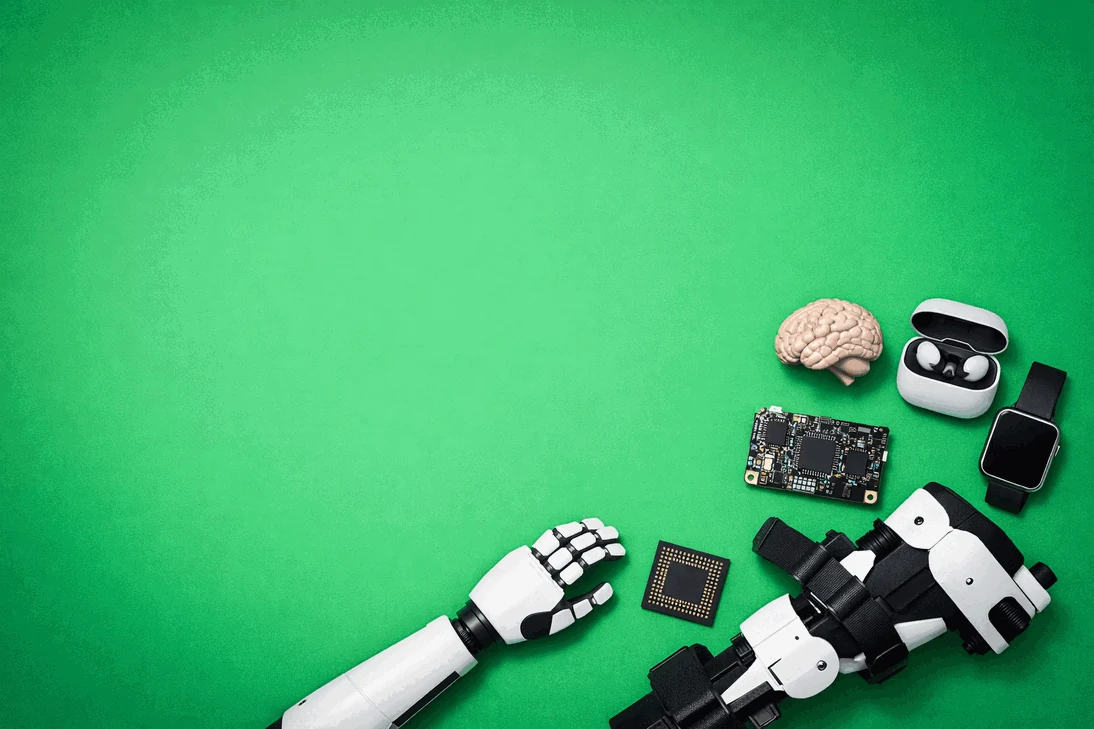
dorsaVi Limited (ASX:DVL) has completed a technical validation demonstrating that its proprietary resistive RAM (RRAM) memory technology and neuromorphic processing intellectual property (IP) operate effectively as a unified system. This fusion promises to unlock transformative performance gains; up to 10 times faster and more efficient; by integrating memory, signal conversion, and compute functions closer together within devices. The breakthrough is a pivotal step toward delivering intelligent, low-power hardware tailored for robotics, exoskeletons, and advanced wearable systems.
The validation underscores dorsaVi’s approach to ultra-edge intelligence, where devices process data locally without cloud dependency. This architecture reduces latency and energy consumption, enabling faster, adaptive decision-making on the device itself. Such capabilities are crucial for applications demanding real-time responsiveness and battery efficiency, including prosthetics and robotic motion control.
Synergistic Architecture Drives Robotics and Exoskeleton Innovation
The company’s RRAM is a non-volatile memory technology that retains information without power and operates with high durability at low energy levels. Its neuromorphic IP mimics brain-like processing, making rapid decisions at the network edge. Together, they form a proprietary platform that processes and learns directly within the memory chip, a design that minimizes data movement and power draw.
Key features validated include adaptive neural analog-to-digital conversion for power management, in-memory adaptive processing enabling reflex-speed responses, and robust muscle signal interpretation translating bio-signals into actionable outputs. This combination supports intelligent local recalibration and learning, essential for exoskeletons and robots operating in dynamic environments.
The platform’s design aligns with the growing global exoskeleton market, valued at US$590 million in 2025 and projected to reach US$1.79 billion by 2033 with a compound annual growth rate of 14.48%. The broader humanoid robotics sector, attracting billions in investment, also stands to benefit from this ultra-edge technology. By embedding intelligence at the sensing point, dorsaVi positions itself at the forefront of this convergence.
Building on a Proven IP Portfolio with Further Validation Ahead
This validation focuses on the synergy between dorsaVi’s RRAM platform and its neuromorphic Reflex Engine, the processing core that makes decisions inside the memory chip itself. This architecture avoids the inefficiencies of shuttling data between separate memory and processor units, resulting in faster, more power-efficient operation.
The company plans to extend validation to its second neuromorphic IP group; the Adaptive Interface Layer, dubbed “Sensory Nerve Endings”; which translates real-world signals from sensors and muscles into data the system can act on. This next phase is expected to further bolster the platform’s applicability across robotics, exoskeletons, and wearable devices.
dorsaVi’s strategy builds on its existing sensor business, combining FDA-cleared EMG and motion sensors with a decade of enterprise deployment data. The validated RRAM-neuromorphic architecture advances this foundation into the hardware domain, targeting intelligent edge deployment. This approach follows the company’s earlier move to embed intelligence directly within its wearable sensors through a firmware upgrade, which reduced latency and laid groundwork for hardware integration on-sensor intelligence.
Commercial and Market Implications
By enabling devices that interpret sensor data on the spot and make split-second decisions without cloud reliance, dorsaVi’s platform addresses key challenges in robotics and exoskeleton markets: responsiveness, power efficiency, and adaptability. This is particularly relevant for battery-powered autonomous systems requiring low-latency control in real-world conditions.
The company is actively evaluating strategic IP and technology acquisitions to complement its hardware foundation with safety control and data acquisition layers necessary for human-robot collaboration and exoskeleton deployment. Shareholders can expect updates on these developments in the coming months.
Bottom Line?
dorsaVi’s validated RRAM-neuromorphic platform positions it to lead in ultra-edge intelligent robotics, but commercial success hinges on upcoming sensory IP validation and strategic partnerships.
Questions in the middle?
- How will further validation of sensory interface technologies impact dorsaVi’s platform readiness?
- What strategic acquisitions might dorsaVi pursue to build a complete robotics intelligence stack?
- How quickly can the company translate technical validation into commercial deployments in the fast-growing exoskeleton market?