Graphene-Enhanced Cement Roof Tiles Achieve 14% Carbon Reduction

First Graphene has demonstrated a significant carbon reduction in cement roof tiles through a UK production trial with FP McCann, using graphene-enhanced cement to lower emissions and material use.
- Up to 14% CO2 emission reduction in cement roof tiles
- 26% reduction in cement-to-concrete ratio achieved
- Over 10,000 graphene-enhanced tiles produced in UK trial
- Trial supported by UK government innovation programs
- Entry into US$7.6 billion global cement roof tile market
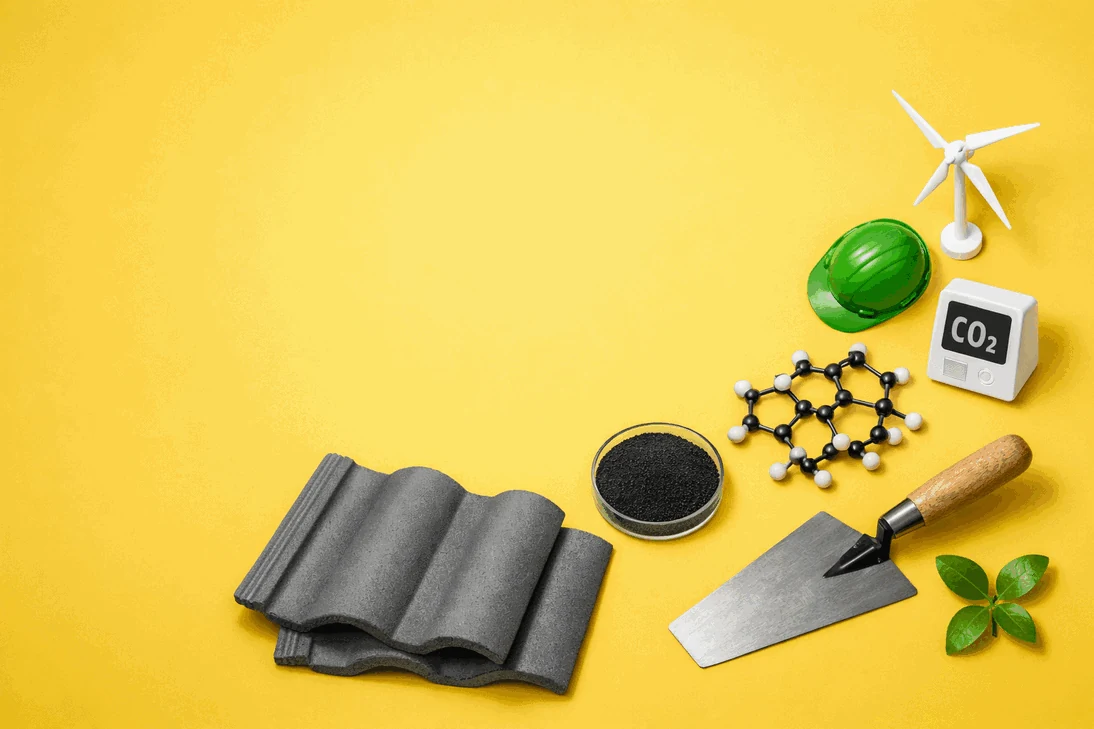

Graphene Enhances Cement Tiles with Lower Emissions
First Graphene Limited (ASX:FGR) has marked a milestone in sustainable construction with a world-first production trial of graphene-enhanced cement roof tiles alongside the UK’s largest precast concrete manufacturer, FP McCann. The five-month trial at FP McCann’s Cadeby facility produced over 10,000 tiles using 40 tonnes of the PureGRAPH® graphene cement developed in partnership with Breedon Group.
The trial achieved a cradle-to-gate carbon emissions reduction of up to 14%, a notable improvement in an industry traditionally associated with high CO2 output. Additionally, the graphene-enhanced cement required up to 8% less cement to produce tiles of comparable strength, classified as CEM-II, compared to the conventional CEM-I cement. This translates into a 26% reduction in the cement-to-concrete ratio, underscoring material efficiency gains.
Commercial and Environmental Implications
These results not only demonstrate environmental benefits but also suggest cost savings through reduced raw material usage. The graphene-enhanced tiles are set to be installed on new buildings at FP McCann’s Cadeby site, with ongoing discussions to expand adoption across the UK construction sector. The project received backing from UK government innovation contracts via the Department for Energy Security and Net Zero and the Department for Environment, Food and Rural Affairs, aligning with national goals to build over one million affordable, sustainable homes within three years.
First Graphene’s Managing Director Michael Bell highlighted the trial’s significance, noting that reducing cement usage by up to 20% could substantially lower the carbon footprint of construction materials. This positions First Graphene and its partners well to meet growing demand for lower-emission infrastructure solutions.
Strategic Market Expansion
The trial solidifies First Graphene’s entry into the global cement roof tile market, valued at US$7.6 billion and projected to grow to US$11.8 billion by 2034. This development complements recent moves to expand the PureGRAPH® product range internationally, including a Canadian distribution agreement targeting infrastructure applications new Canadian PureGRAPH deal. Such geographic diversification could accelerate adoption of graphene-enhanced construction materials in markets with stringent sustainability targets.
While the trial results are promising, commercial rollout timelines and detailed financial impacts remain undisclosed. The construction industry’s uptake will likely depend on regulatory incentives, cost competitiveness, and proven long-term performance of graphene-enhanced products.
Bottom Line?
First Graphene’s UK trial offers a tested blueprint for lower-carbon cement tiles, but scaling adoption hinges on industry momentum and regulatory support.
Questions in the middle?
- How quickly will UK and global construction firms adopt graphene-enhanced cement products?
- What cost premiums or savings will graphene-enhanced tiles present compared to traditional alternatives?
- Could regulatory policies accelerate or hinder the commercial rollout of graphene cement technologies?