Murray Cod Australia Reports 32.7% Biomass Growth and 77.8% Processed Sales Increase

Murray Cod Australia lifted biomass by 33% to 3,700 tonnes and boosted processed fish sales 78%, while appointing a new CEO to drive growth and tackle cost pressures.
- Biomass increased 32.7% to 3,700 tonnes
- Processed fish sales up 77.8% year-on-year
- Live fish sales declined 39%, prompting sales model review
- New CEO Steven Chaur appointed with growth mandate
- Stanbridge site fully operational and switched to grid electricity
Biomass Growth Unlocks Revenue Potential
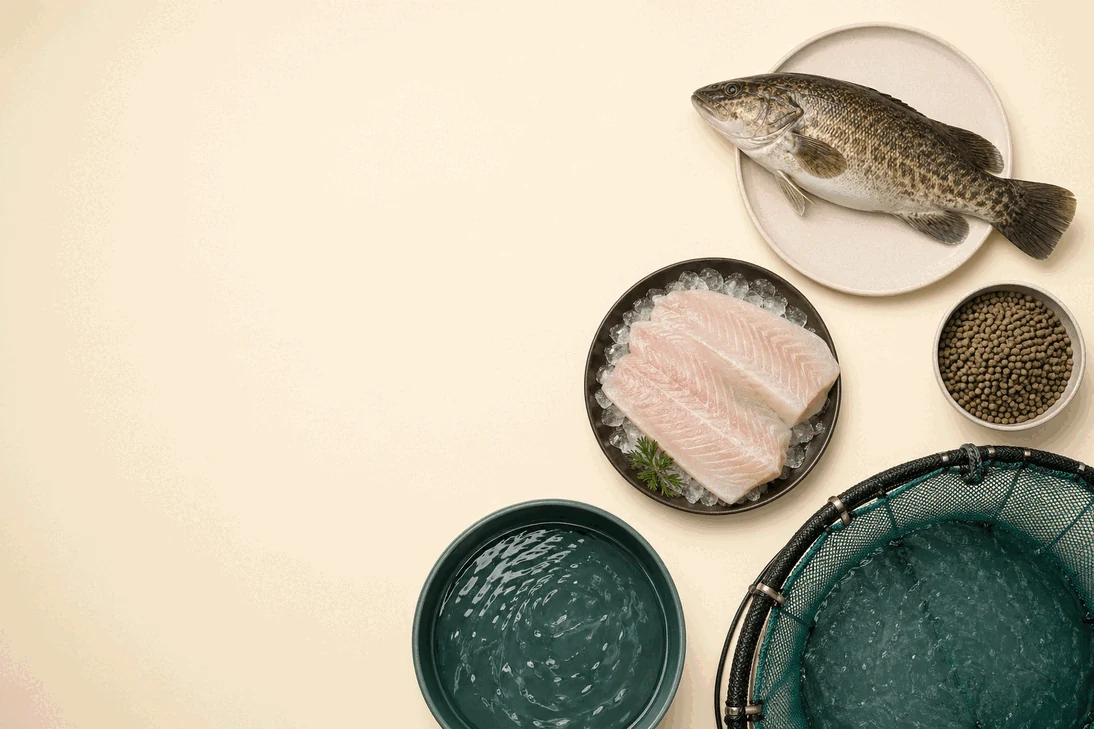
Murray Cod Australia Ltd (ASX:MCA) reported a substantial 32.7% jump in biomass to 3,700 tonnes at the end of March 2026, representing roughly $78 million in saleable stock at current wholesale prices. This inventory build follows years of rebuilding post-pandemic stock depletion, positioning the company to accelerate sales without volume constraints. The biomass equates to about 3.77 million fish averaging 1kg each, with a strategic mix of sizes to meet diverse customer demands.
This surge in biomass underpins MCA’s strategy to convert inventory into cash flow, particularly through an expanded processed fish product range. Processed fish sales soared 77.8% year-on-year to 134.1 tonnes, reflecting growing traction in domestic and international channels. However, live fish sales fell 39% to 15.7 tonnes, prompting management to overhaul the sales and logistics model for this segment with a revised operating agreement implemented in March 2026.
Leadership Changes Signal Strategic Reset
The quarter saw a significant leadership reshuffle. Following the departure of CEO Ross Anderson in January 2026, Non-Executive Director Steven Chaur was appointed CEO with a clear mandate to drive revenue growth and operational improvements. Chaur, bringing nearly three decades of FMCG and agricultural leadership experience, joined the company amid an intensified focus on sales execution and cost control. The company also recruited Jerome Joseph as Chief Commercial Officer to accelerate domestic sales strategies, particularly targeting the foodservice sector.
These leadership moves come after a period of operational challenges and below-expectation sales volumes despite overall growth, as MCA seeks to translate its substantial biomass into stronger cash flow and profitability. The leadership change aligns with previous announcements of Chaur’s appointment and the interim management period following Anderson’s exit earlier this year Steven Chaur to Lead GrowthMurray Cod CEO Departure.
Operational Expansion and Cost Dynamics
Operationally, the Stanbridge site is now fully operational with all 78 ponds at 100% utilisation, contributing to increased biomass and feed consumption. Notably, Stanbridge transitioned from diesel generators to mains electricity in April 2026, expected to save about $70,000 monthly in fuel and maintenance costs. This infrastructure upgrade supports cleaner, more reliable energy supply amid global fuel constraints.
However, the company faced rising costs linked to higher fuel, water, and feed prices, partly driven by the customary growth phase of fish during warmer months. Net cash used in operating activities was $8.7 million for the quarter, a slight improvement on the previous quarter but up 10.3% year-on-year due to biomass growth and cost pressures. MCA maintains $9.9 million in unused financing facilities, including a $30 million term loan and $10 million overdraft, providing financial flexibility as it assesses capital management initiatives.
Sales Strategy and Market Development
MCA’s sales volume rose 48% year-on-year to 149.8 tonnes, but fell short of internal targets. The company is prioritising volume acceleration through more predictable, higher-frequency domestic channels such as grocery and foodservice. Distribution to 130 Woolworths stores via PFD has been successfully implemented, enhancing supply consistency across NSW and Victoria. International sales, while still a small portion at 7% of total, grew 369% year-on-year to 7.8 tonnes, with live export approval to China confirmed but processed product export approval still pending regulatory timelines.
Pricing adjustments reflect a deliberate strategy to stimulate demand and convert biomass to cash. The average price per kilogram dropped from $26.04 to $23.77 compared to the prior corresponding period, driven by increased sales of smaller-sized fish and targeted price reductions in processed whole fish. Despite this, MCA maintains a premium pricing position relative to competing species. The launch of a frozen fillet range tailored for the national distributor market aims to expand reach in the Hotel, Restaurant and Café (HORECA) channel over the next year.
These sales initiatives build on MCA’s recent retail expansion and revenue growth, following a period where the company doubled its retail footprint and increased sales by 40% in the first half of FY26 Doubles Retail Reach Amid Loss. The focus now is on converting the sizeable biomass into consistent revenue streams while balancing price and volume to protect margins.
Bottom Line?
MCA’s strengthened leadership and expanded biomass set the stage for a pivotal 6-12 months focused on translating scale into sustainable sales and cash flow.
Questions in the middle?
- Will the revised live fish sales model reverse recent declines and contribute meaningfully to revenue?
- How quickly can MCA convert its large biomass into profitable cash flow amid rising input costs?
- What impact will pending processed fish export approvals to China have on international sales growth?