Sparc Technologies Secures AkzoNobel Deal and Advances Green Hydrogen Pilot

Sparc Technologies has landed a major commercial breakthrough with AkzoNobel for its graphene additive ecosparc®, while its green hydrogen pilot plant completes a successful operational quarter.
- AkzoNobel commits to commercial ecosparc® coating release
- Letter of Intent signed with Hydrograph for fractal graphene additives
- AI-driven corrosion assessment software developed with AIML
- Sparc Hydrogen pilot plant achieves key operational milestones
- Dual listing secured on Frankfurt Stock Exchange
AkzoNobel to Launch ecosparc® Enhanced Protective Coating
Sparc Technologies (ASX:SPN) has taken a significant step towards commercialisation of its flagship graphene additive ecosparc®, with global coatings giant AkzoNobel committing to release an ecosparc® enhanced version of its Interzone® 954 protective coating in Australia starting May 2026. This marks the first time a widely used protective coating globally will incorporate Sparc’s graphene technology.
Interzone® 954 is a proven product with a 25-year track record in harsh industrial environments including mining, oil and gas, and offshore wind. AkzoNobel’s decision follows extensive laboratory and field trials spanning several years, including positive inspections at Streaky Bay Jetty and Port Bonython, where ecosparc® coatings have demonstrated durability over 13 to 20 months under real-world conditions.
The commercial terms with AkzoNobel remain confidential, with no minimum volume commitments disclosed. AkzoNobel’s global footprint and €10.2 billion revenue in 2025 underscore the potential scale for Sparc’s additive as it enters production at AkzoNobel’s Australian facility.
Strategic Collaboration with Hydrograph Clean Power
In March, Sparc signed a Letter of Intent with Hydrograph Clean Power Inc. to explore the integration of HydroGraph’s fractal graphene into ecosparc® additives for both water-based and solvent-based coatings. Initial tests incorporating HydroGraph’s graphene showed promising performance improvements, leading to plans for rigorous ISO 12944 cyclic corrosion testing.
HydroGraph is notable for its high-purity graphene production via an “explosion synthesis” method, meeting stringent Graphene Council Verified Producer® standards. This collaboration could enhance ecosparc®’s competitive edge in the protective coatings market, which Sparc targets as a multibillion-dollar opportunity. The LOI sets the stage for a potential commercial supply and collaboration agreement pending successful test outcomes.
AI-Powered Revolution in Corrosion Assessment
Sparc continues to innovate beyond materials with a joint project alongside the Australian Institute of Machine Learning (AIML) at Adelaide University. They are developing AI-driven software to modernise and accelerate protective coatings performance assessments under ISO 12944 standards. The AI tool promises faster, more consistent, and statistically richer corrosion boundary detection compared to traditional manual methods.
Following a successful proof-of-concept, the software is slated for beta testing in third-party labs within 12 months. This initiative has garnered strong industry support, with multiple coatings companies endorsing the technology’s commercial potential. Sparc’s approach could reshape how corrosion resistance is evaluated globally, complementing its materials business. This builds on the company’s earlier AI-driven corrosion assessment announcement highlighting the software’s capabilities and market opportunity.
Green Hydrogen Pilot Plant Hits Operational Milestones
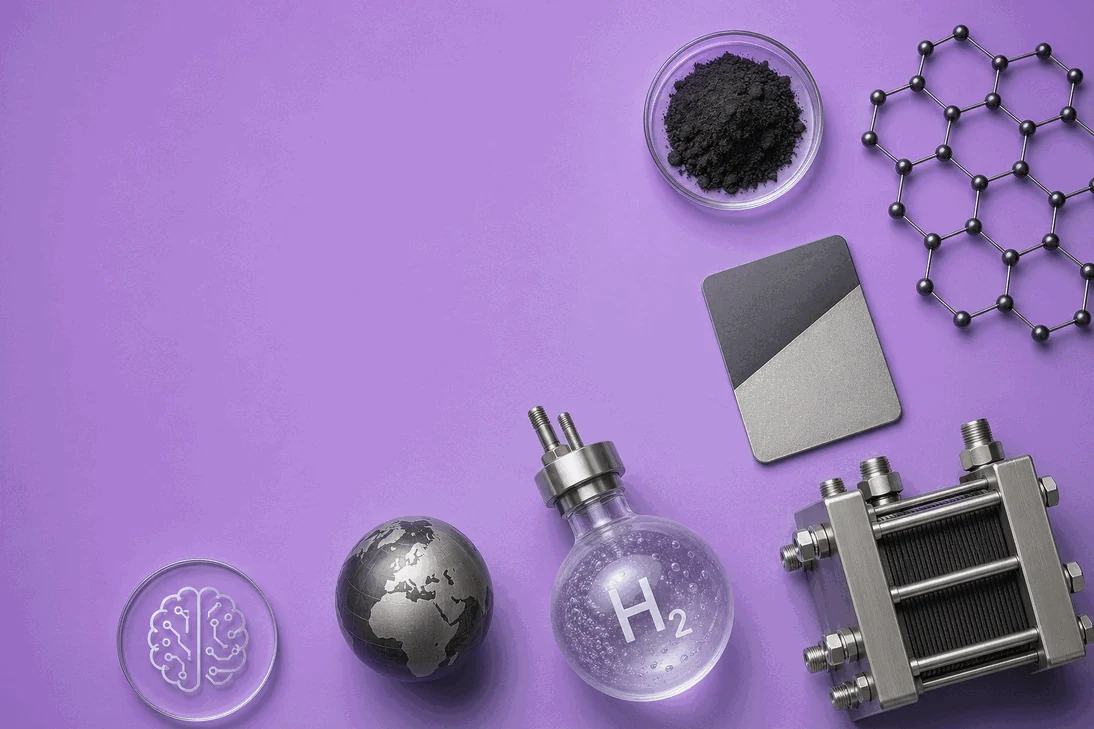
Sparc Hydrogen, a joint venture with Fortescue Ltd and Adelaide University, has completed over three months of sustained operations at its pioneering photocatalytic water splitting (PWS) pilot plant at Adelaide University’s Roseworthy Campus. The plant demonstrated fully autonomous operations, hydrogen production at design pressure and temperature, and catalyst durability through a harsh South Australian summer.
Ongoing efforts focus on refining plant controls, improving energy efficiency, and testing next-generation photocatalysts with higher solar-to-hydrogen conversion efficiencies. These advancements are critical as Sparc Hydrogen aims to scale its technology, which offers a low-energy alternative to traditional electrolysis for green hydrogen production.
In March, Sparc Hydrogen’s CEO Alana Barlow led a delegation to Japan, hosting an industry roundtable at the Australian Embassy and engaging with key stakeholders to promote photocatalytic hydrogen technology. This international outreach aligns with Sparc’s strategy to position itself within the burgeoning global green hydrogen market, forecast to reach US$1.4 trillion annually by 2050.
Financial Position and Market Access
As of 31 March 2026, Sparc reported a cash balance of A$1.92 million, supported by a A$680,000 advance against its FY26 R&D tax incentive claim. This non-dilutive funding underpins ongoing R&D and commercial activities, including the ecosparc® rollout and hydrogen pilot operations. The company’s cash burn remains consistent with prior quarters, sustaining an estimated 2.7 quarters of funding at current levels.
March also saw Sparc secure a secondary listing on the Frankfurt Stock Exchange (ticker: NLR), complementing its primary ASX listing. This move aims to enhance European investor engagement and support expanding activities in the EU, a key market for both advanced coatings and green hydrogen technologies.
Executive changes include an amendment to Managing Director Nick O’Loughlin’s contract, increasing his change of control payment to 12 months’ base salary, reflecting governance adjustments as the company scales.
Notably, Sparc’s recent share price gains have been linked to Managing Director O’Loughlin’s podcast appearances, which have raised market awareness without disclosing new material information, maintaining compliance with ASX rules.
What Lies Ahead for Sparc Technologies?
Sparc’s commercial momentum with ecosparc® hinges on AkzoNobel’s rollout success and further validation of fractal graphene additives. The AI-driven corrosion assessment project could unlock new revenue streams if it achieves broad industry adoption, while Sparc Hydrogen’s pilot data will be critical to securing scale-up funding and partnerships.
Yet, with a cash runway under three quarters and no minimum volume commitments disclosed, Sparc faces the familiar challenge of converting promising technology into sustainable commercial returns. The next quarterly report will be telling, as investors watch for initial sales traction, pilot plant performance metrics, and progress on the Hydrograph collaboration.
Investors should also consider how Sparc’s dual listing and international outreach position it amid intensifying competition in advanced materials and green energy sectors. The company’s ability to navigate these technical, financial, and market complexities will define its trajectory over the coming year.
Bottom Line?
Sparc’s breakthrough with AkzoNobel and green hydrogen pilot progress mark key milestones, but execution risks and limited cash runway warrant close attention.
Questions in the middle?
- Will AkzoNobel’s ecosparc® coating gain meaningful market share without volume commitments?
- Can the AI corrosion assessment software achieve commercial licensing within 12 months?
- How will Sparc Hydrogen’s pilot plant data influence funding and scale-up timelines?