Entropy Neurodynamics Reports 75% Response Rate in Phase 2a Trial of Oral Psilocybin Therapy for Treatment-Resistant IBS

Entropy Neurodynamics has unveiled a striking 75% response rate in a small Phase 2a trial of its oral psilocybin therapy for treatment-resistant irritable bowel syndrome, far surpassing existing treatments and validating its gut-brain axis approach.
- 75% response rate in treatment-resistant IBS patients
- Mechanistic validation via psychological flexibility improvements
- Safety profile consistent with psychedelic-assisted therapy
- Supports advancement of IV psilocin formulation TRP-8803
- Targets a US$60 billion global IBS market

Breakthrough Efficacy in Hard-to-Treat IBS
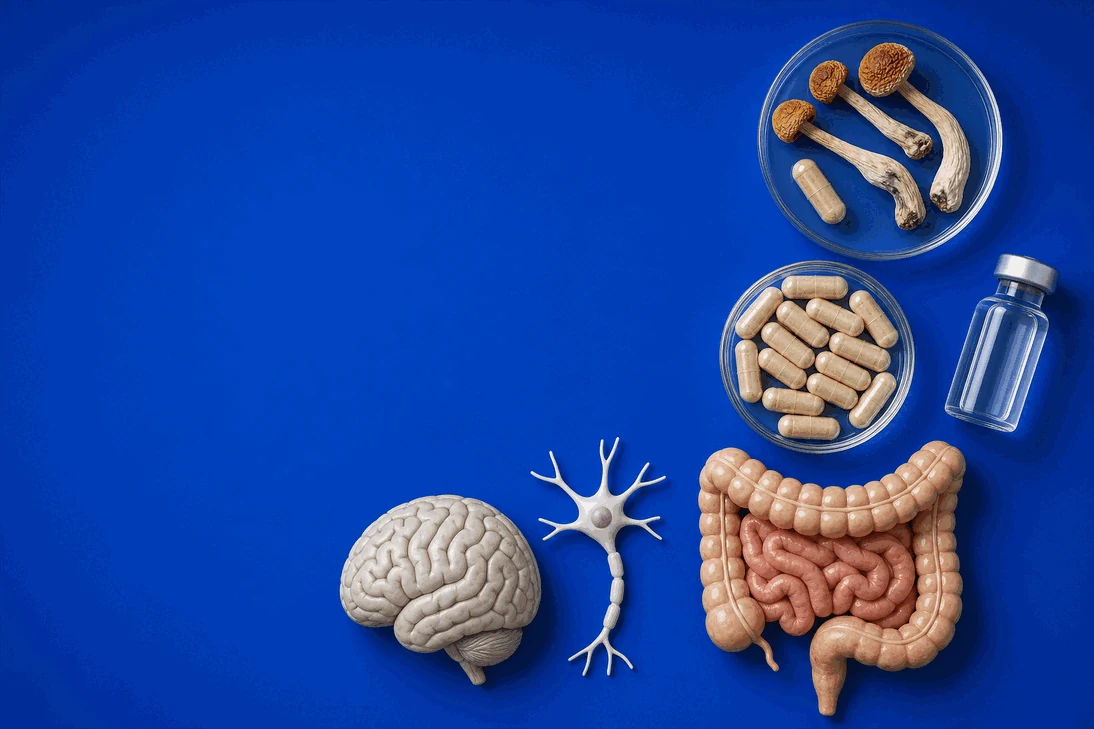
Entropy Neurodynamics (ASX:ENP) has reported a remarkable 75% clinically meaningful response rate in its Phase 2a open-label trial of TRP-8802, an oral psilocybin therapy, for patients with treatment-resistant irritable bowel syndrome (IBS). This result, presented at Digestive Disease Week 2026 by researchers from Massachusetts General Hospital and Columbia University, significantly outpaces the 17-44% response rates typical of approved IBS therapies.
The trial enrolled 12 patients who had failed multiple standard treatments, with 75% meeting the pre-defined threshold of a 50-point reduction on the IBS Symptom Severity Score (IBS-SSS). Subtype analysis showed 100% response in IBS-constipation (IBS-C) patients, 80% in mixed IBS (IBS-M), and 50% in IBS-diarrhoea (IBS-D), highlighting potential subtype-specific effects.
Mechanistic Validation of the Gut-Brain Axis
Crucially, response was linked to improvements in psychological flexibility and insight, reinforcing the therapy’s action on central brain pathways rather than symptom masking. This mechanistic coherence supports the gut-brain axis as a core driver of IBS and aligns with Entropy’s development strategy, which aims to target root causes rather than just symptoms.
The safety profile was consistent with expectations for psychedelic-assisted therapy, with one serious adverse event (transient suicidal ideation) resolved under clinical supervision, underscoring the importance of psychological screening and integration protocols.
Implications for Next-Generation IV Psilocin Therapy
The TRP-8802 data de-risk both the indication and mechanism, paving the way for Entropy’s proprietary IV-infused psilocin formulation, TRP-8803. This next-generation therapy promises faster onset, precise dosing, and a more scalable commercial model. The Phase 2a results provide direct mechanistic validation for TRP-8803’s use in IBS, enhancing its commercial and partnering appeal.
Entropy plans to leverage these findings to design larger, controlled US-based trials and pursue non-dilutive grant funding, building on momentum from its ongoing clinical programs. Notably, the company recently reported encouraging early outcomes in its TRP-8803 Binge Eating Disorder trial and secured patent protection for its IV dosing method, reinforcing its clinical and IP position early clinical outcomes and patent protection.
Large Market with High Unmet Need
IBS affects over 10 million patients in the US alone, with annual healthcare spending exceeding US$60 billion. The treatment-resistant subset targeted by Entropy represents a commercially attractive group, often cycling through multiple therapies and incurring substantial out-of-pocket costs. Unlike typical neuropsychiatric disorders, IBS carries little stigma, potentially facilitating rapid adoption of effective new treatments.
Entropy’s CEO Jason Carroll described the results as a "breakthrough moment" for the company and IBS treatment, highlighting the unprecedented efficacy in a refractory population and the clear alignment between clinical outcomes and psychological mechanisms. This positions Entropy to build a differentiated franchise in gut-brain disorders.
Bottom Line?
While the 75% response rate is compelling, the small sample size and open-label design warrant cautious optimism pending confirmation in larger controlled trials.
Questions in the middle?
- Will larger, placebo-controlled studies replicate the 75% response rate observed in this small cohort?
- How will regulatory agencies respond to psychedelic-assisted therapies for IBS given evolving frameworks?
- What commercial partnerships or collaborations will Entropy pursue to accelerate TRP-8803’s development?