PMET Produces 4.47 Tonnes of 6.09% Li2O Spodumene Concentrate at CV5 Pegmatite

PMET Resources has produced 4.47 tonnes of 6.09% Li2O spodumene concentrate at 89% recovery from its CV5 Pegmatite using an innovative DMS pilot program, bolstering its lithium project development and upcoming feasibility updates.
- 4.47 tonnes of 6.09% Li2O spodumene concentrate produced
- 89% lithium recovery achieved via Dense Media Separation pilot
- High-grade feed from mineralized boulders near CV5 outcrop
- Data supports updated Feasibility Study and Preliminary Economic Assessment
- New BerryPick program planned for caesium pollucite concentrate
Innovative Sampling Boosts Lithium Recovery
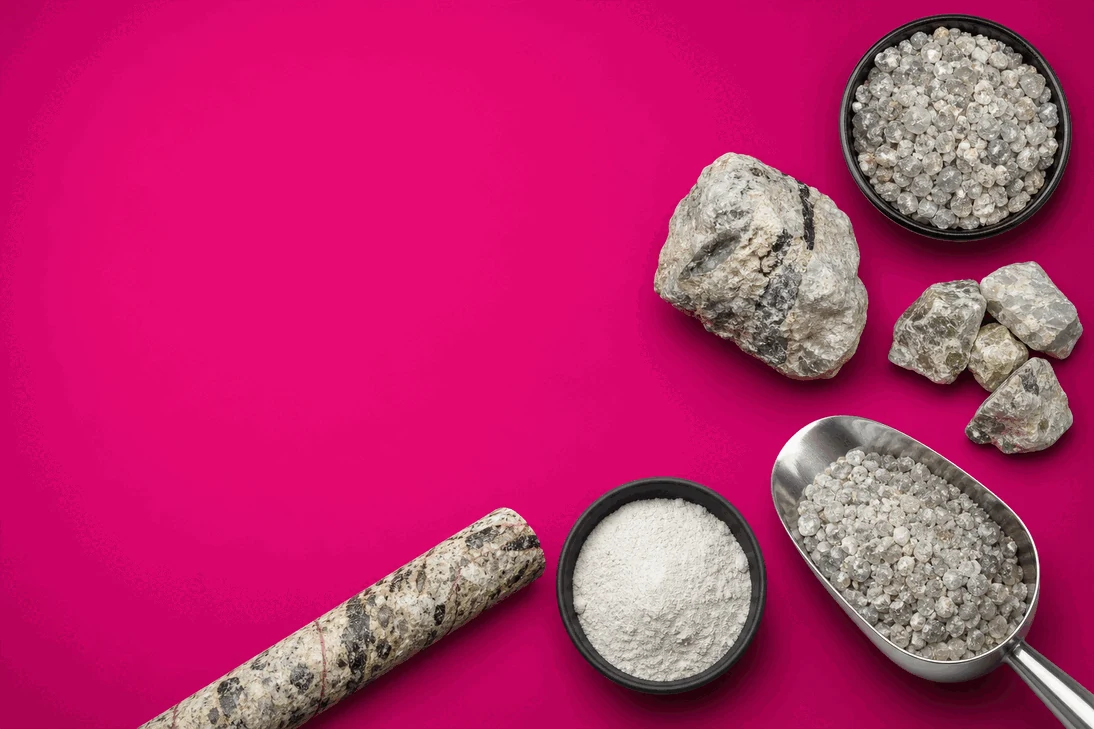
PMET Resources (ASX:PMT) has delivered a significant milestone with its ApplePick pilot program, producing approximately 4.47 tonnes of spodumene concentrate grading 6.09% Li2O at an impressive 89% recovery rate from the CV5 Pegmatite at its Shaakichiuwaanaan Project in Quebec. This result, achieved through a Dense Media Separation (DMS) only processing pathway, exceeded expectations and provides a robust data point for the company’s lithium recovery curve, particularly at high feed grades around 3.6% Li2O.
The program cleverly leveraged large, angular spodumene-bearing boulders collected immediately down-ice of the CV5 outcrop, crushed onsite, and shipped to SGS Canada’s Lakefield facility for pilot-scale DMS processing. This approach bypassed the need for extensive drilling, allowing PMET to rapidly generate concentrate samples at scale, a strategy that supports ongoing lithium offtake discussions and midstream processing initiatives.
Notably, the high-grade feed used in this pilot is not reflective of the life-of-mine average grades but offers valuable insight into recovery potential at the upper end of the grade spectrum. This new data suggests a possible 2-3% improvement in global lithium recovery over previous feasibility study assumptions, a development that will be incorporated into the updated Feasibility Study and Preliminary Economic Assessment scheduled for release in Q4 2026.
Project Scale and Strategic Positioning
The Shaakichiuwaanaan Property hosts one of the world’s largest lithium, tantalum, and caesium pegmatite resources, with a consolidated Mineral Resource of 108 million tonnes at 1.40% Li2O (Indicated) and 33.4 million tonnes at 1.33% Li2O (Inferred). The CV5 Pegmatite alone holds a Probable Mineral Reserve of 84.3 million tonnes at 1.26% Li2O, underpinning the project’s potential as a critical mineral powerhouse in North America.
PMET’s recent lithium-only Feasibility Study outlined a straightforward DMS-only flowsheet targeting up to 800,000 tonnes per annum of spodumene concentrate. The ApplePick results reinforce this pathway’s viability, demonstrating the pegmatite’s consistently large spodumene crystals enable high recovery rates without complex processing. Furthermore, the pilot generated significant tailings material rich in tantalum, which is now feeding a feasibility-level tantalum recovery program, expanding the project’s value proposition.
This progress follows PMET’s recent regulatory milestone with the submission of its Environmental and Social Impact Assessment for the CV5 Lithium Project, a key step in securing approvals in Quebec’s Eeyou Istchee James Bay region, as reported in April 2026.
Expanding Critical Mineral Horizons with BerryPick
Building on ApplePick’s success, PMET is planning the BerryPick program, targeting surface pollucite samples to produce larger-scale caesium concentrate samples. Pollucite, hosting the world’s largest caesium pegmatite resource at the Rigel and Vega zones, is rarer and more challenging to sample at scale. BerryPick aims to generate several hundred kilograms to a tonne of pollucite concentrate to support offtake and downstream caesium product evaluations, leveraging XRT ore sorting technology to refine recovery flowsheets.
With caesium’s strategic importance in emerging technologies, this initiative could position PMET to diversify its critical minerals portfolio and enhance the economic resilience of the Shaakichiuwaanaan Project. This follows the company’s 2025 drilling campaign that unveiled record caesium grades and new mineralized zones, underscoring the project’s multi-commodity potential.
Bottom Line?
PMET’s innovative boulder-sampling and DMS pilot results sharpen the project’s lithium recovery outlook, but the real test will be how these translate into updated feasibility economics and the success of upcoming caesium and tantalum programs.
Questions in the middle?
- How will the improved lithium recovery curve affect the project’s overall economics in the updated Feasibility Study?
- What scale and timeline can investors expect for the BerryPick caesium concentrate pilot and its commercial implications?
- To what extent can tantalum recovery from tailings enhance project value and influence development priorities?