Two Customers Tape-Out Chips with Weebit ReRAM, One Shows Working Prototype

Weebit Nano has reached a crucial 2026 target as two customers tape-out chip designs incorporating its ReRAM technology, with one already showing a working prototype. This progress marks a significant step towards mass production and commercialisation of its advanced memory solutions.
- Two customers tape-out chips with Weebit ReRAM
- One customer demonstrates a functional prototype
- 12-18 months testing before mass production
- Overlord Labs integrates ReRAM in smart battery system
- Growing demand fuels further customer discussions

Key 2026 Target Achieved with Tape-Outs
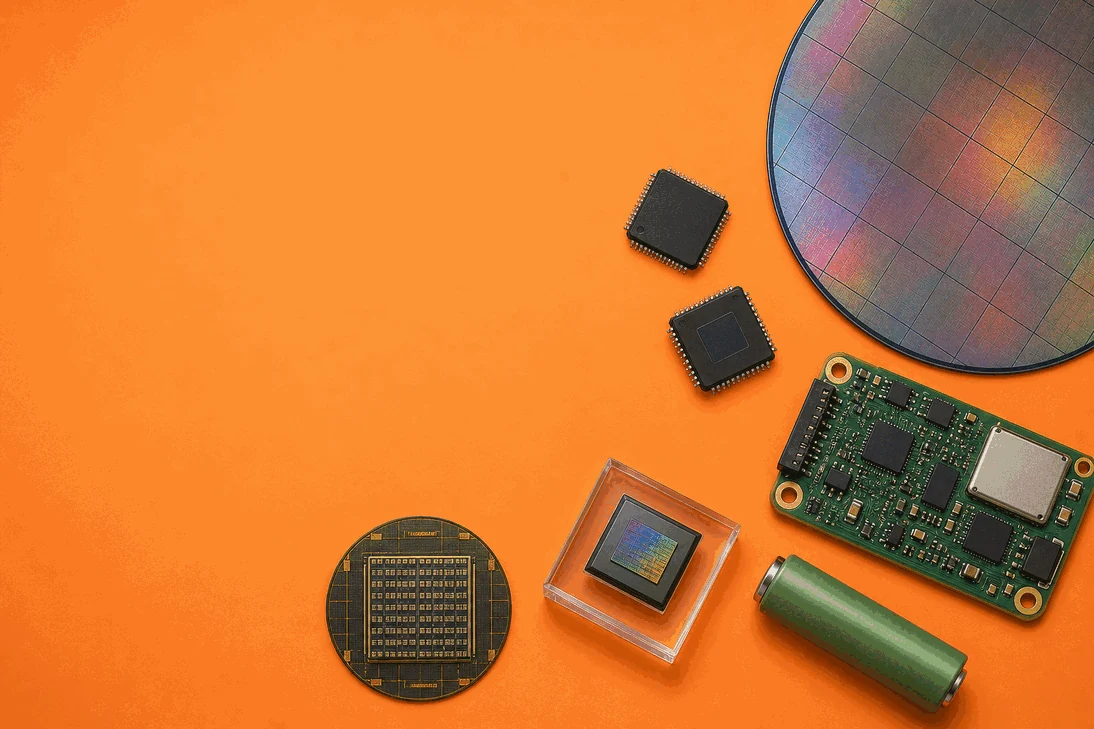
Weebit Nano Ltd (ASX:WBT) has cleared a major hurdle on its path to commercialisation, announcing that two product customers have successfully taped-out chip designs embedding its Resistive RAM (ReRAM) technology. One of these customers has progressed further, manufacturing a functional prototype that has passed initial tests. This milestone fulfils one of the three 2026 targets Weebit set at its 2025 Annual General Meeting and signals tangible progress towards mass production.
Overlord Labs and DB HiTek Partnership Spotlight
Among the customers, Overlord Labs has integrated Weebit’s ReRAM into its next-generation smart battery management system, a move expected to bring significant improvements in power efficiency, cost, and performance for high-volume applications. The chip design was taped-out at South Korean foundry DB HiTek, which has been a key partner in Weebit’s qualification and manufacturing journey. The collaboration between Overlord, DB HiTek, and Weebit highlights the coordination needed to bring advanced memory technologies to market efficiently. This builds on Weebit’s recent achievements, including technology qualification at DB HiTek and partnerships with major players like Texas Instruments and onsemi, reinforcing its foothold in the semiconductor ecosystem technology qualification at DB HiTek.
Prototype Testing and Road to Mass Production
The second customer had already taped-out its product earlier and has now received the first silicon prototype, which is functioning as expected, including the embedded ReRAM. Both customers plan to continue extensive testing, characterisation, and qualification over the next 12 to 18 months. Successful completion of these phases is critical before moving to mass production, underscoring that while tape-out is a significant milestone, a lengthy validation process remains.
Growing Momentum and Market Demand
Weebit CEO Coby Hanoch emphasised that the tape-outs and functional prototype demonstrate growing market traction for ReRAM, driven by the demand for faster, lower power, and higher performance embedded non-volatile memory. The company is actively embedding its IP in several next-generation applications and expects more tape-outs within the calendar year. This momentum follows Weebit’s recent capital raises, including an ongoing A$15 million Share Purchase Plan to accelerate commercialisation efforts A$15 million Share Purchase Plan.
Integration in High-Performance Applications
Weebit’s ReRAM technology targets a range of advanced system-on-chip designs, including AI inference, automotive electronics, and industrial systems, where faster, more reliable, and energy-efficient memory is critical. Its compatibility with existing semiconductor manufacturing processes without requiring special equipment or large investments positions it well for adoption by foundries and integrated device manufacturers (IDMs). This is particularly relevant given Weebit’s strategic partnerships and ongoing discussions with potential customers, which could expand its footprint across multiple sectors.
Bottom Line?
Weebit’s tape-out milestone marks progress but the next 12-18 months of testing will be crucial to validate commercial readiness and drive revenue growth.
Questions in the middle?
- How will Weebit’s customers progress through the qualification phase towards mass production?
- Can Weebit secure additional tape-outs and partnerships to sustain momentum in 2026?
- What impact will successful commercialisation have on Weebit’s financial outlook and market positioning?