Packer Test Yields 857 L/hour Flow at Formentera Well JAM 26-07

Patagonia Lithium has completed a key packer test at its Formentera project, confirming high aquifer porosity and flow rates at 110m depth, while submitting a comprehensive environmental study to local authorities.
- Packer test at 110m yields 857 L/hour flow
- Core and brine samples secured under strict protocols
- Environmental monitoring completed and submitted to Jujuy Mines Department
- Resource domain expansion expected with further drilling
- Community engagement positive ahead of demonstration plant approval

Strong Early Flow Rates Signal Aquifer Potential
Patagonia Lithium Ltd (ASX:PL3) has reported encouraging results from the first packer test on well JAM 26-07 at its Formentera Lithium Project in Argentina’s lithium-rich Jujuy province. The test, conducted at a depth of 105-110 metres, achieved a flow rate of 857 litres per hour, with 1,400 litres extracted during the initial pumping phase. This confirms the presence of a high-porosity aquifer contributing to lithium brine flow, a critical factor underpinning resource expansion plans.
Executive Chairman Phillip Thomas highlighted the significance of these findings, noting the well’s target depth extends to 600 metres, with the current test providing a promising indication that the Mineral Resource Estimate (MRE) domain can be expanded. The well’s location, approximately two kilometres from existing drill holes, supports the geological continuity assumptions used in resource modelling. These results build on previous strong porosity and lithium assay outcomes from nearby wells, such as well six, which recorded a lithium concentration of 412ppm and sustainable pumping rates exceeding 3,000 litres per hour in earlier tests strong aquifer porosity.
Comprehensive Sampling and Chain of Custody Maintained
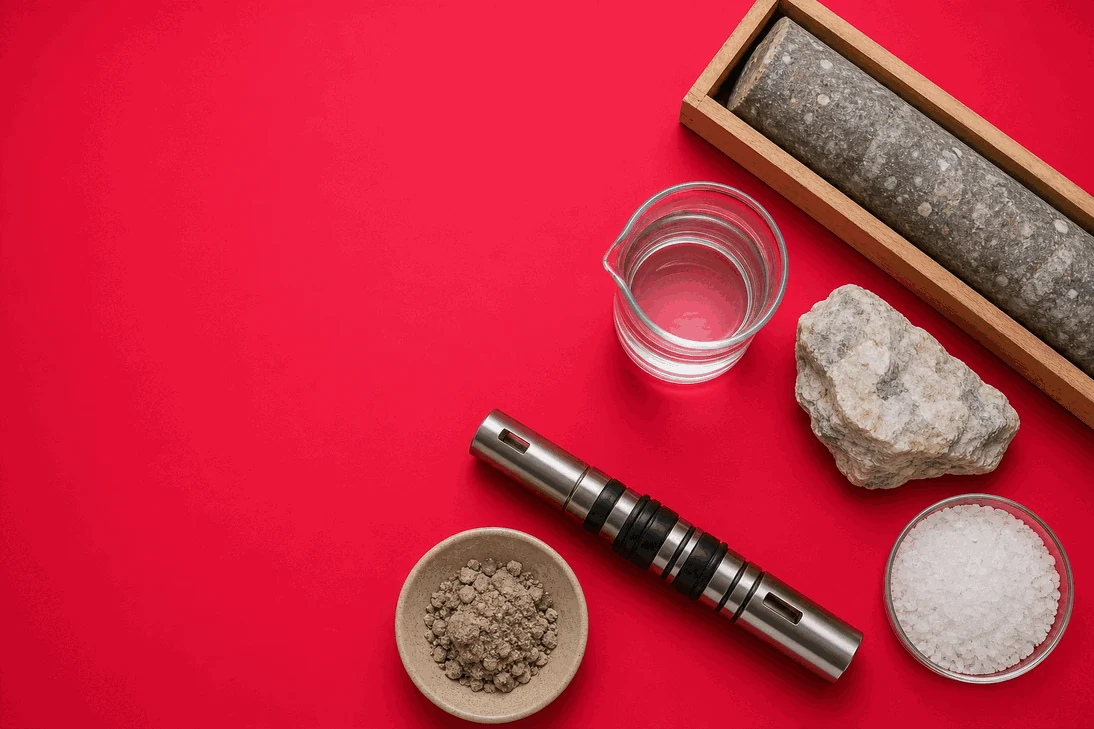
The drilling program employed a Boart Longyear LT190 core rig using HQ3 diameter triple tube drilling, achieving over 95% core recovery. Both core and brine samples were collected meticulously, with brine extracted using a packer airlift system. Samples were stored under strict chain of custody protocols and sent to certified laboratories SGS and Alex Stewart for lithium assay and quality assurance. The environmental monitoring included gas, noise, water, and soil sampling, with in situ measurements reporting a pH of 8.7, salinity of 29 ppt, and dissolved oxygen at 6.6 mg/L, all within expected parameters for the salar environment.
This rigorous approach to sampling and environmental oversight follows Patagonia’s established standards and supports the reliability of the data feeding into the upcoming resource updates. The company plans a 72-hour pump test and gamma porosity survey to further refine the resource model, consistent with its methodical progression towards commercialisation pump test results.
Environmental Study Submitted and Community Engagement Positive
Patagonia has submitted its environmental study to the Ministerio de Minería de Jujuy, marking a key regulatory milestone. The study encompassed ambient gas monitoring, noise recording, and detailed water and soil sampling. Community consultation has been proactive, with local leaders expressing satisfaction with the company’s operational transparency and environmental stewardship. The upcoming UGAMP meeting will address the company’s application for a demonstration plant, with a 60-day period for public and governmental feedback thereafter.
This community engagement is critical in a region where social licence can influence project timelines and outcomes. Patagonia’s approach appears to be fostering goodwill, which may ease the path for future approvals and expansions. The company’s broader portfolio, including its Cilon and Tomas III projects, continues to benefit from this steady regulatory and community engagement strategy capital raise and project progress.
Geological Continuity and Next Steps in Exploration
The lithological logging confirms consistent volcanic and volcaniclastic sediment sequences that correlate with previous wells, reinforcing the geological model for lithium brine deposition. The high porosity gravels and sands observed between 71 and 104 metres contribute to the aquifer’s transmissivity, a positive sign for sustained brine extraction. The vertical drilling orientation is well suited to sampling the horizontal brine layers, ensuring representative data for resource estimation.
Patagonia Lithium is poised to continue its drilling campaign, targeting deeper intervals to 600 metres, alongside planned geophysical surveys and pump tests. These activities aim to underpin an updated MRE, which currently stands at 551,400 tonnes LCE following a 319% increase announced in July 2025. The company’s technical rigor and environmental compliance position it well to advance towards demonstration plant operations and eventual production.
Bottom Line?
Patagonia Lithium’s latest packer test and environmental submission mark a steady advance in validating Formentera’s lithium brine potential, but deeper drilling and extended pump tests remain crucial to confirm commercial viability.
Questions in the middle?
- Will further pump tests sustain or improve current flow rates at greater depths?
- How will regulatory feedback from the UGAMP meeting influence demonstration plant approvals?
- Can geological continuity between wells support a significant resource expansion beyond current MRE?