HOCH-1 Well Logs 4-6 Metres Net Gas Pay Across Seven Intervals

ADX Energy’s HOCH-1 well in Upper Austria has revealed 4-6 metres of net gas pay across seven intervals in the Base Hall formation, moving closer to production testing after reaching 1685 metres depth.
- Seven gas-bearing intervals identified in Base Hall formation
- Net sand thickness totals 4-6 metres across intervals
- Well deepened to 1685 metres entering Upper Puchkirchen formation
- Next steps include casing, completion, and co-mingled testing
- Testing program details remain to be finalised
 Add us as a preferred source on Google
Multiple Thin Gas Sands Show Commercial Potential
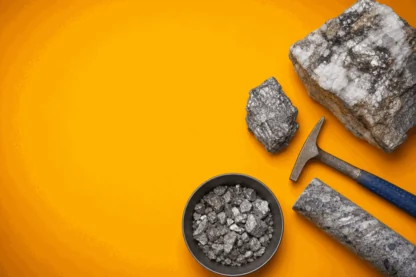
ADX Energy Ltd (ASX:ADX) has reported encouraging results from its HOCH-1 shallow gas exploration well in Upper Austria, identifying seven distinct gas-bearing intervals within the Base Hall formation. Wireline logging revealed a combined net gas pay of 4 to 6 metres spread across these intervals, with individual sand thickness ranging from 0.3 to 1.5 metres. Based on offset well data and producing fields, these relatively thin sands are expected to deliver high production rates, supporting a commercial resource potential.
The well has now been deepened to 1685 metres total measured depth, having penetrated the entire Base Hall channel zone and entered the Upper Puchkirchen formation. This depth increase aims to maximise the number of perforatable intervals inside the 4½ inch casing, setting the stage for multi-zone production testing.
Top Basin Floor Target Underwhelms but Confirms Geological Model
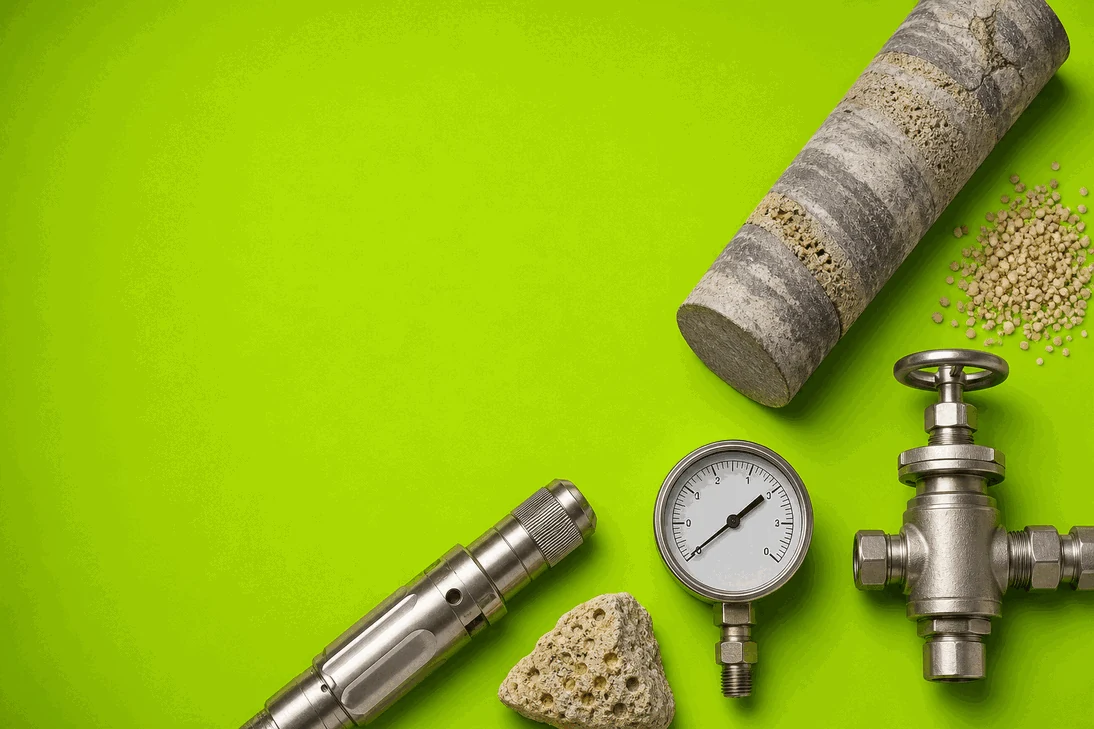
Earlier in the well, the primary Basin Floor fan Hall Formation target between 1354 and 1368 metres was logged and found to consist of millimetre-thick sandstone layers interbedded with mudstones. This lithology explains the broad but low-intensity gas readings during drilling and aligns with the 3D seismic amplitude variation with offset (AVO) data for the basin floor sandstones and mudstones. However, the low net-to-gross ratio suggests this zone is unlikely to be commercially viable at HOCH-1, confirming pre-drill risk assessments.
Next Steps: Casing, Completion, and Co-Mingled Testing
With drilling operations paused at 1685 metres, the immediate plan is to run and cement the 4½ inch casing, followed by running a completion assembly to prepare for perforating and production testing. The testing program is expected to involve multiple zones tested in a co-mingled manner, although final details are yet to be confirmed.
ADX has committed to providing ongoing updates on operational progress, logging interpretations, and testing outcomes as they become available. The company’s technical director, Paul Fink, has reviewed the logging data and considers the resource estimates to be fairly represented, lending credibility to the interpreted commercial potential of the Base Hall intervals.
Building on a Steady Drilling Campaign in Upper Austria
The HOCH-1 well is the first of three permitted shallow gas prospects in the ADX-AT-I exploration licence, with two additional wells planned for 2026. This drilling campaign builds on prior progress, including the recent deepening to 1619 metres that revealed six new thin gas sand intervals below the primary Hall Formation target, as documented in the company’s earlier updates. The current wireline logging and interpretation represent a critical step in validating these discoveries and moving towards production testing.
ADX’s efforts come amid a tightening European gas market, where new domestic supplies like HOCH-1 could contribute to regional energy security. The proximity of the well to existing pipeline infrastructure further enhances the commercial attractiveness of any future production.
Bottom Line?
The HOCH-1 well’s seven viable gas intervals set the stage for multi-zone testing, but commercial viability hinges on upcoming production results.
Questions in the middle?
- How will the co-mingled testing program impact reservoir deliverability and resource estimates?
- What production rates can be sustained across the thin but multiple gas sand intervals?
- How might results from HOCH-1 influence the timing and scale of drilling at the two additional permitted prospects?