Noble Helium Contracts Schramm T130 XD Rig for Two Wells in Tanzania

Noble Helium has locked in BoreXpert’s Schramm T130 XD rig for a two-well helium drilling campaign at North Rukwa, Tanzania, with options for two more wells pending initial results. The company aims to validate a promising western margin helium play and advance towards pilot production.
- Contracted Schramm T130 XD rig for two confirmed wells plus two options
- Drilling to start July 2026 targeting shallow and deep helium accumulations
- Geological de-risking near completion ahead of site mobilisation
- Drilling costs expected below maiden campaign due to improved subsurface knowledge
- Pilot production facility fast-tracked to leverage helium supply tightness
 Add us as a preferred source on Google
Rig Contract Finalised for Targeted Helium Exploration
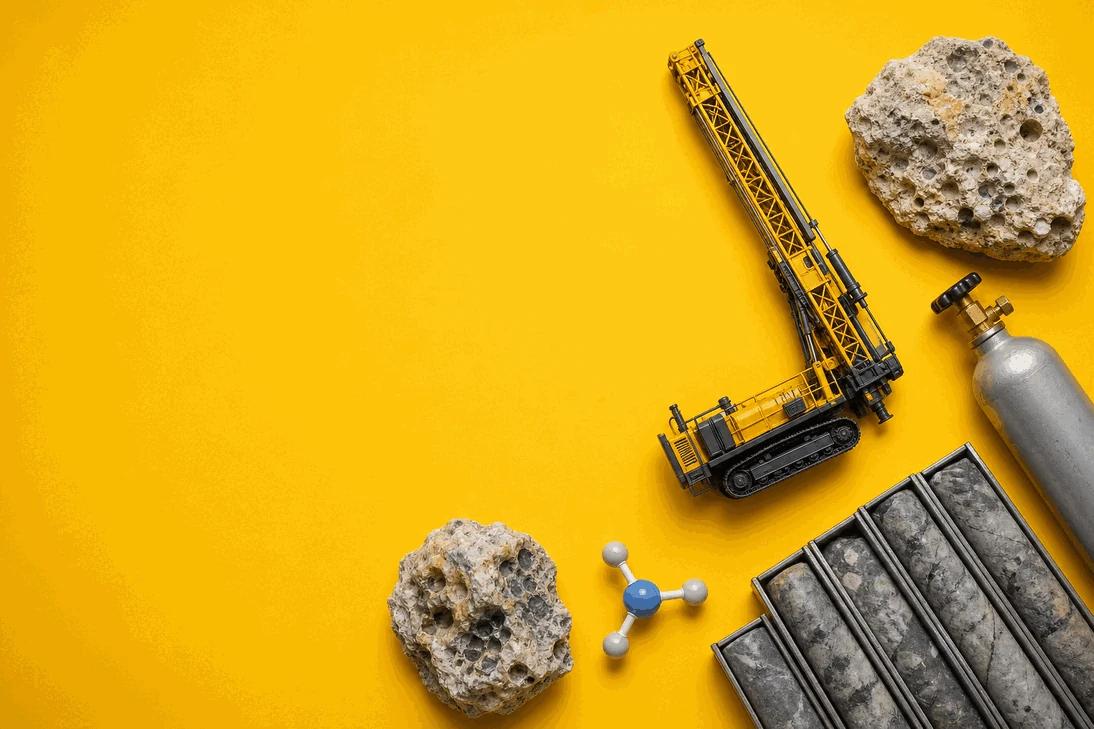
Noble Helium Limited (ASX:NHE) has secured the Schramm T130 XD rig from BoreXpert to execute its upcoming helium drilling campaign at the North Rukwa Project in Tanzania. The contract covers two confirmed exploration wells, Kinambo B and Kinambo K, with an option for two additional wells contingent on initial results. This rig choice reflects Noble Helium’s deeper understanding of the North Rukwa helium system and the operational conditions, aiming to balance efficiency, safety, and cost control.
The confirmed wells will test both shallow and deep helium accumulations, with Kinambo B targeting approximately 430 metres depth and Kinambo K reaching about 1500 metres. Both wells will undergo comprehensive logging and gas analysis to assess helium presence and flow potential. Following these, a technical pause will allow the company to evaluate results before deciding on drilling Kinambo C, Kinambo E, or an appraisal well at Mbelele 1A, located roughly 35 kilometres northwest.
Operational Preparations and Cost Efficiencies Underway
Preparations for the drilling campaign are progressing steadily. Geological de-risking work is nearing completion, promising to refine the understanding of subsurface risks and targets. In-country logistics inspections and site visits are imminent, ensuring readiness for the planned rig mobilisation in June 2026 and spudding of the first well in early July.
Notably, Noble Helium expects drilling costs for this campaign to be significantly lower than its maiden effort at Mbelele, which required a more expensive oil and gas rig due to unknown risks. The company’s improved subsurface knowledge allows for a more streamlined and cost-effective approach. Each shallow well is anticipated to take around 10 days to drill within a two-month campaign, with real-time gas composition and flow data informing operational decisions. Wells may be cased and suspended as future producers depending on outcomes.
Strategic Implications Amid Global Helium Supply Constraints
Executive Chairman Dennis Donald emphasised the strategic significance of the Rukwa Basin, describing it as one of the world’s most prospective helium provinces. He highlighted helium’s critical role in emerging technologies such as artificial intelligence, quantum computing, and medical imaging, underscoring the urgency created by global helium shortages. The campaign aims to validate the western margin helium play and accelerate a pilot production facility, setting the stage for a larger commercial operation.
This drilling initiative follows Noble Helium’s successful $12M equity raise earlier this year, which provided the necessary capital to advance exploration activities. The company’s recent refinancing efforts and funding boosts have steadily de-risked the project and positioned it to capitalise on the tightening helium market, which has been affected by geopolitical disruptions in the Middle East. Noble Helium’s approach reflects a measured progression from exploratory groundwork to pilot production readiness.
Bottom Line?
Noble Helium’s rig contract and drilling timeline mark a critical step towards validating a high-potential helium play amid tightening global supply, but initial well results will be pivotal in shaping the project’s next phase.
Questions in the middle?
- Will initial drilling confirm commercial helium flow rates to justify further wells?
- How will logistics and operational challenges in Tanzania impact the campaign’s timeline?
- What scale and timeline might a pilot production facility realistically achieve following exploration?