4DS Memory Advances Commercial Deployment of 60nm ReRAM Technology in India

3 min read
8:49am on Tuesday 12th of May, 2026 AEST ~8am, 12th May, 26
Popular on LinkedIn
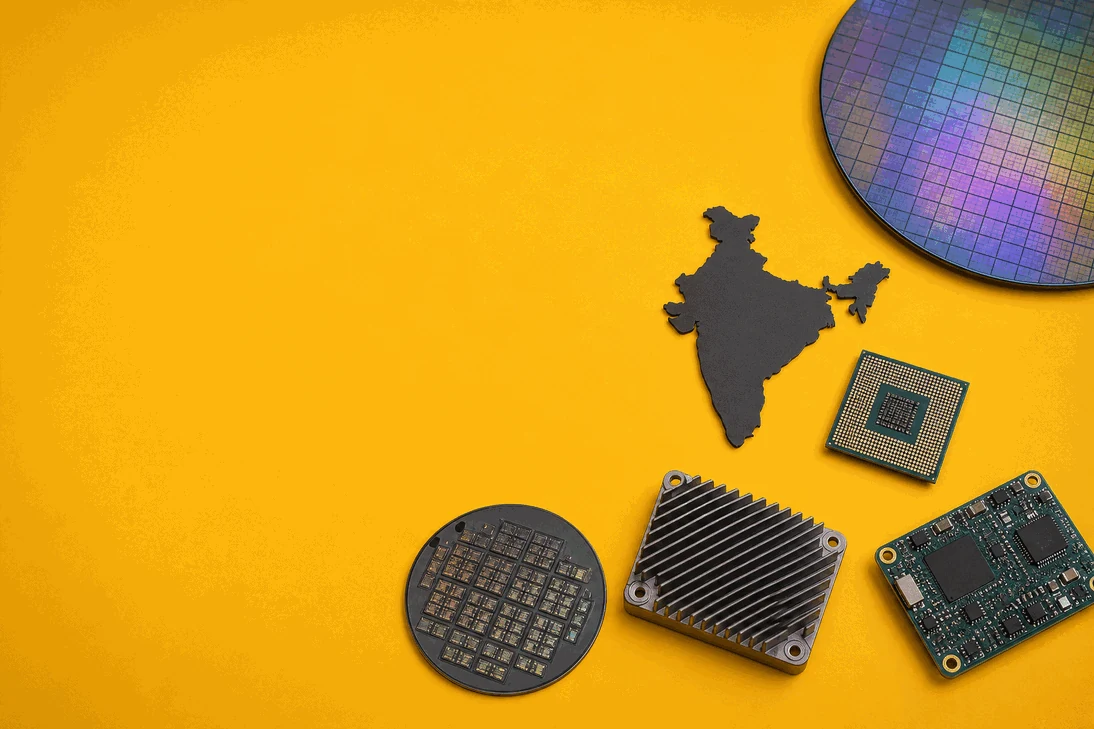
4DS Memory is accelerating commercialisation of its 60nm ReRAM technology in India, aligning with the country’s AUD$25 billion semiconductor investment and targeting mature-node industrial and defence sectors.
- Focus on mature-node 60nm ReRAM for industrial and defence
- India commits AUD$25 billion to semiconductor development
- Plans include licensing, technology transfer, and OEM integration
- Executive Chairman to engage Indian stakeholders in May 2026
- Acquisition strategy underway to enable commercial deployment
 Add us as a preferred source on Google
Strategic Shift Toward Indian Semiconductor Market
4DS Memory Limited (ASX:4DS) is pivoting decisively to commercialise its proven 60nm ReRAM technology in India, a market buoyed by a government-backed AUD$25 billion semiconductor push. The company sees ripe opportunities within mature-node semiconductor applications, particularly in sectors where reliability and manufacturability are non-negotiable, industrial, automotive, defence, aerospace, and embedded systems.
This move reflects a clear alignment between 4DS’s technology capabilities and India’s current fabrication focus on 60nm–65nm process nodes, a range where 4DS has already demonstrated its proprietary PCMO-based ReRAM platform's successful operation, as first announced in August 2023. The company’s renewed commercial drive follows a period of strategic review and capital consolidation earlier in 2026, positioning it to capitalise on emerging market dynamics and government incentives.
Multiple Commercial Pathways in India
4DS is pursuing a multi-pronged approach to embed its 60nm ReRAM technology into India’s semiconductor ecosystem. This includes licensing and technology transfer aligned with India’s fabrication roadmap, embedded memory applications across critical infrastructure, and collaborations on edge AI and memory-centric computing architectures. The company also aims to integrate its technology with OEMs through software development kits and systems capabilities, indicating a comprehensive strategy beyond mere IP licensing.
Executive Chairman David McAuliffe is set to travel to India in May 2026 to engage directly with fabrication facilities, government bodies, research institutions, and industry players. This hands-on engagement underscores the importance 4DS places on India as a strategic market and reflects a proactive approach to navigating local ecosystem complexities.
Acquisition Plans to Accelerate Market Entry
In a bid to fast-track product integration and commercial deployment, 4DS has announced intentions to pursue acquisitions within the semiconductor sector. While details remain under wraps, this move signals a shift from technology validation toward tangible market presence and revenue generation. This strategy complements the company’s earlier cost-cutting and capital preservation efforts, including maintaining a cash balance of $8.8 million as reported in January 2026, which supported ongoing strategic initiatives and partnerships.
The commercialisation push also follows a period of internal stability, with the board affirming leadership continuity despite previous shareholder challenges. This steadiness may provide the governance foundation necessary for navigating complex cross-border commercialisation and integration efforts.
Technology Relevance and Market Timing
4DS’s 60nm ReRAM platform, notable for its high bandwidth, endurance, and persistent non-volatile memory capabilities, is positioned to meet the demands of mature-node semiconductor applications that underpin critical sectors. The timing coincides with India’s semiconductor ambitions, which prioritise sovereign manufacturing capabilities at mature nodes, creating a natural fit for 4DS’s technology.
Executive Chairman McAuliffe emphasised the alignment, stating that India’s roadmap “presents a commercially relevant opportunity for mature-node memory technologies, particularly in industrial, defence and embedded applications where reliability and manufacturability are critical.” This suggests 4DS is betting on niche strengths rather than competing head-on in the cutting-edge memory market.
These developments build on the company’s strategic momentum following its recent $8.8M cash and cost cuts and the earlier strategic review talks that highlighted AI-related technology opportunities, indicating a broadening of commercial focus.
Bottom Line?
4DS’s India-focused commercialisation and acquisition strategy marks a crucial test of its ability to translate patented technology into market traction amid a burgeoning semiconductor landscape.
Questions in the middle?
- Which acquisition targets will 4DS pursue to accelerate its India commercialisation?
- How will 4DS navigate India’s complex semiconductor ecosystem and regulatory environment?
- What timelines and milestones will define 4DS’s path from technology validation to revenue generation?