Micro-X Wins US$0.9M Contract Extension to Advance Security Algorithms

Micro-X's U.S. subsidiary has won a $1.3 million contract extension from the U.S. Department of Homeland Security to push forward its Passenger Self-Screening Checkpoint program, moving closer to real-world airport trials.
- US$0.9M contract extension for algorithm development
- Advances testing towards airport passenger deployment
- Program valued at up to US$20.9M remains unchanged
- Two additional Checkpoints in manufacture for testing
- Focus on enhancing threat detection via machine learning
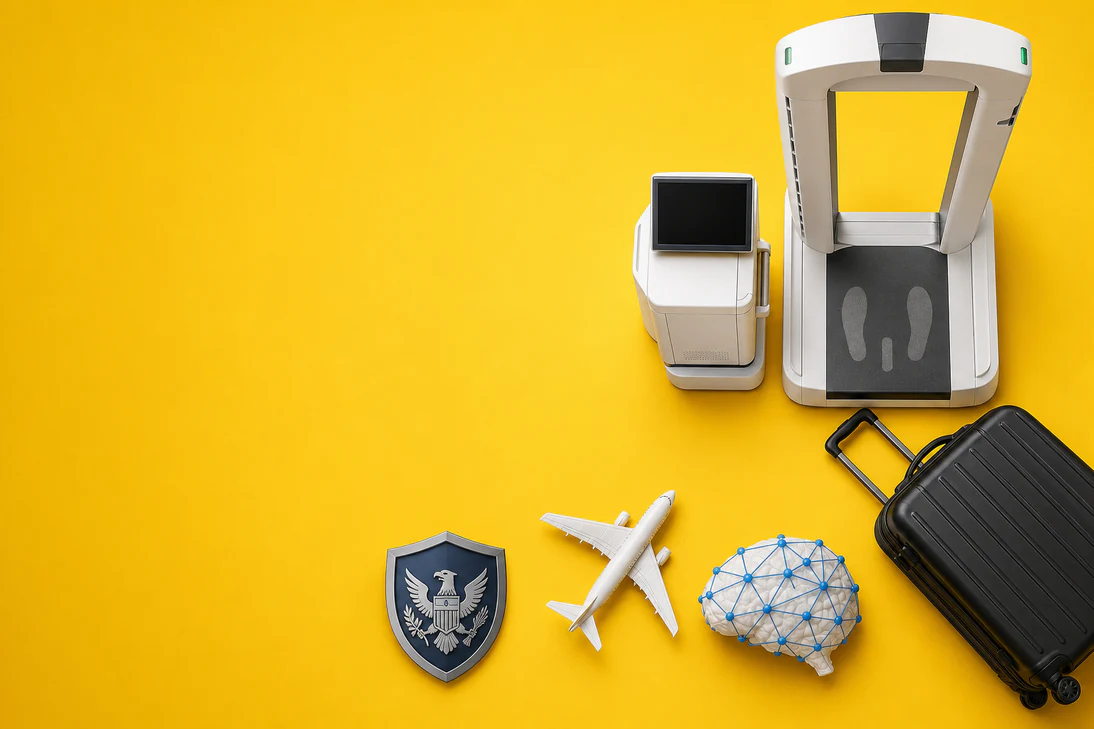

Contract Extension Boosts Passenger Checkpoint Progress
Micro-X Ltd (ASX:MX1) has extended its foothold in the U.S. airport security technology race with a $1.3 million contract extension from the Department of Homeland Security (DHS). The funding, awarded to its U.S. subsidiary Micro-X Inc, is earmarked for continued testing and refinement of the Passenger Self-Screening Checkpoint program through to September 30, 2026. This extension underscores DHS's commitment to advancing Micro-X's innovative cold cathode X-ray technology closer to operational deployment.
Algorithm Development Central to Deployment Readiness
Central to this contract extension is the acceleration of software and machine learning efforts aimed at enhancing the system's threat detection capabilities. The passenger self-screening checkpoint is a highly regulated security system, requiring extensive laboratory testing before it can be trialled in real-world airport environments. CEO Americas Brian Gonzales emphasised that this phase is critical, stating the extension "demonstrates the strength of our relationship" with DHS and is key to moving the concept towards airport passenger testing.
Manufacturing Scale-Up Supports Testing Milestones
Micro-X currently has one checkpoint and two Baggage CT Scanners undergoing government laboratory testing, with two additional checkpoints under manufacture to support further development and testing efforts. This manufacturing ramp-up aligns with the company’s broader strategy to validate its technology rigorously before operational rollout. The overall DHS and Transportation Security Administration (TSA) program remains valued at up to $31.7 million (US$20.9 million), unchanged by this extension.
Broader Innovation Pipeline Underpins Growth
The DHS checkpoint program is just one facet of Micro-X’s expanding portfolio, which includes medical imaging products and other security technologies. The company recently hit a major milestone with its Full Body CT laboratory test bench, securing a $1.6 million milestone payment from ARPA-H, a U.S. government agency funding advanced medical imaging innovation. This milestone reflects progress in a parallel program that complements the company’s security tech pipeline and highlights its diversified growth strategy Full Body CT test bench completion.
Strategic Positioning Ahead of Airport Trials
With the DHS contract extension securing the runway for further algorithm refinement and system testing, Micro-X is positioning itself to be a key player in next-generation airport security solutions. The timing coincides with the U.S. government’s post-shutdown resumption of security programs, potentially accelerating the pace towards live airport passenger trials. As the checkpoints move closer to deployment, the company’s ability to demonstrate robust, machine learning-enhanced threat detection will be critical to securing broader adoption.
Bottom Line?
Micro-X’s latest DHS contract extension signals steady progress towards real-world airport security testing, but the timeline to commercial deployment remains contingent on rigorous regulatory validation.
Questions in the middle?
- When will Micro-X commence live airport passenger trials for the checkpoint system?
- How will ongoing algorithm development impact the system’s threat detection accuracy?
- What are the potential revenue recognition timelines given the contract extension through September 2026?