Parkway Signs MOU with Hitachi to Develop Ultra-High Brine Concentration Systems

Parkway Corporate has teamed up with Hitachi to develop modular ultra-high brine concentration systems, crucial for its flagship Queensland Brine Management Complex project aimed at transforming industrial waste brine into green chemicals.
- Binding MOU with Hitachi for brine concentration systems
- Focus on modular, scalable technology for industrial water treatment
- Deployment planned at Queensland Brine Management Complex
- Collaboration covers Australia, New Zealand, and MENA markets
- Parkway retains ownership of new intellectual property
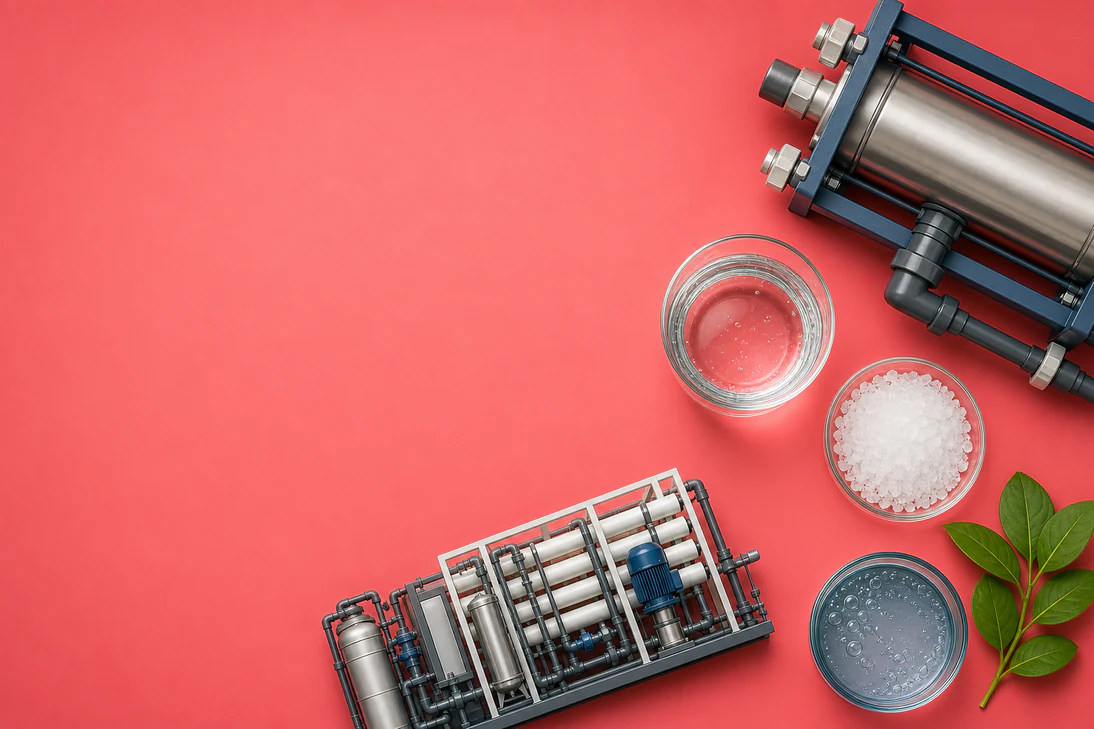

Strategic Alliance Targets Industrial Brine Challenges
Parkway Corporate Limited (ASX:PWN) has formalised a strategic collaboration with Hitachi Aqua-Tech Engineering to co-develop ultra-high brine concentration systems. This partnership is a critical step toward advancing Parkway’s Queensland Brine Management Complex (QBMC), a project designed to tackle the persistent and costly problem of waste brine in industrial sectors such as coal seam gas, mining, and municipal water treatment.
The collaboration centres on creating standardised, modular brine concentration units that promise efficient, scalable deployment. By focusing on modularity, Parkway and Hitachi aim to streamline installation and operation, potentially reducing energy consumption and costs associated with brine processing; a notoriously complex and energy-intensive task.
QBMC’s Role in Waste Brine Transformation
The QBMC project, Parkway’s flagship initiative, is positioned as a centralised hub to process industrial waste brine and convert it into valuable green chemicals. The ultra-high brine concentration systems under development will reduce the volume of brine needing transport to the QBMC, enhancing operational efficiency and environmental outcomes. These systems will also support downstream processing at the complex, reinforcing QBMC’s role as a pioneering facility in waste management.
Parkway’s recent operational progress, including record quarterly revenues and advancing public approvals for QBMC, underscores the project’s momentum. The company’s integrated approach combines proprietary technologies developed with Victoria University and in-house project delivery capabilities, strengthening its position in the industrial water treatment sector. This collaboration with Hitachi builds on that foundation, leveraging Hitachi’s global industrial experience and Parkway’s technology portfolio to accelerate commercialisation.
Scope and Terms of the Collaboration
The binding memorandum of understanding covers a five-year term and focuses on key markets including Australia, New Zealand, and the Middle East and North Africa (MENA) region. Parkway will retain ownership of any new intellectual property generated, while each party maintains its existing IP rights. The agreement includes exclusivity and non-compete provisions to ensure aligned objectives but does not restrict Parkway from developing brine solutions elsewhere.
Deployment of the new systems will be project-based, with funding and definitive agreements to be negotiated separately. Parkway’s CEO, Bahay Ozcakmak, highlighted Hitachi’s expertise in high-specification water treatment systems, particularly in oil and gas, as a valuable complement to Parkway’s innovation and local market knowledge. This partnership is expected to fast-track the availability of advanced brine concentration technology suitable for rapid deployment.
Hitachi’s Managing Director Ong Yen Tar expressed optimism about the collaboration’s potential to transform brine concentration technologies globally, reflecting growing industrial demand.
Positioning Amid Market Developments
Parkway’s announcement follows a series of positive operational milestones, including a record quarterly revenue surge and securing key project sites for QBMC. The company’s focus on modular brine processing solutions aligns with broader industry trends emphasizing scalable, efficient infrastructure to meet tightening environmental regulations and sustainability goals.
Recent market activity, including mergers and acquisitions in the environmental services sector, signals increasing recognition of the value embedded in licensed waste processing infrastructure. Parkway’s innovative approach with QBMC and now its collaboration with Hitachi positions it to capitalise on this momentum, though the commercial terms and timing of system deployment remain to be finalised.
Bottom Line?
Parkway’s Hitachi partnership could accelerate modular brine technology deployment, but commercial details and project funding will shape its impact.
Questions in the middle?
- How quickly will Parkway and Hitachi move from MOU to definitive agreements and commercial rollout?
- What are the potential cost and energy efficiency gains from the new modular brine concentration systems?
- Could this collaboration open doors to broader industrial water treatment markets beyond the initial regions?