Dexus Convenience Retail REIT Sells Three Assets for $8 Million at 1.4% Premium

Dexus Convenience Retail REIT has agreed to sell three convenience retail assets for $8 million, achieving a 1.4% premium to book value, with proceeds earmarked for its on-market buy-back program.
- Three assets sold for $8 million at 1.4% premium
- Settlements scheduled for July and August 2026
- Proceeds to support on-market security buy-back
- Strategy targets portfolio quality improvement
- Focus on divesting smaller, older technology sites
Asset Sales Reflect Portfolio Refinement Strategy
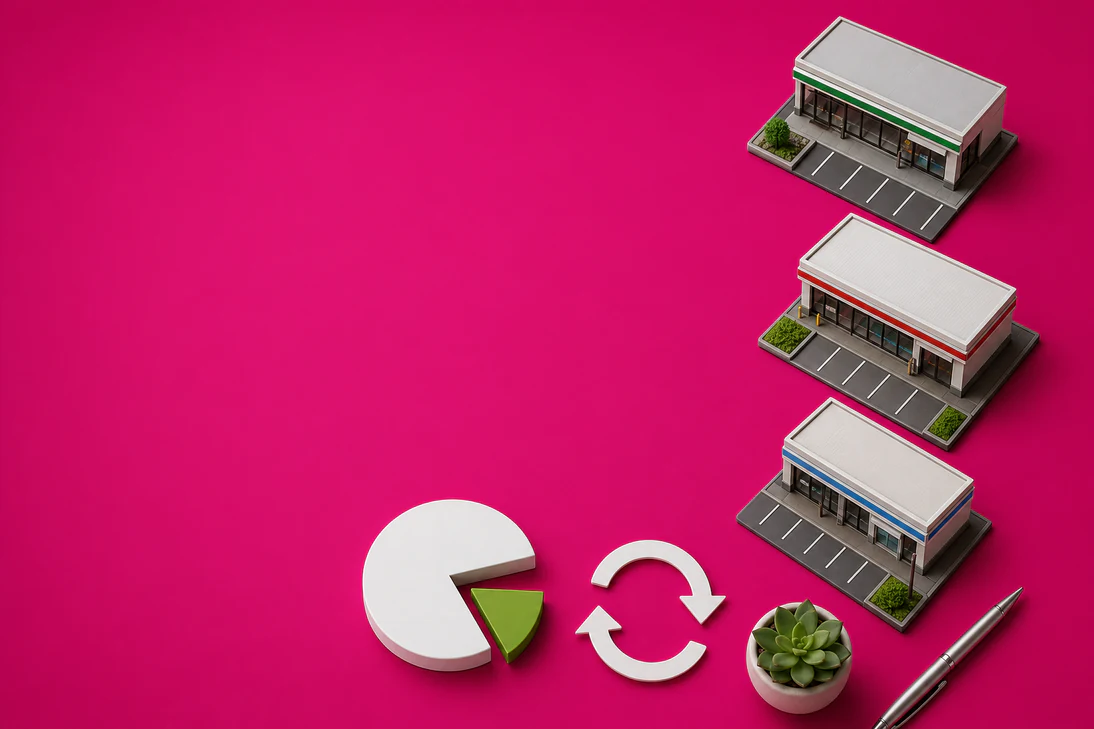
Dexus Convenience Retail REIT (ASX:DXC) has exchanged contracts to divest three convenience retail assets for a combined $8 million, securing an average 1.4% premium over their 31 December 2025 book values. The properties include 1 Wishart Street in Gwelup, Western Australia, alongside 1 Flinders Street in Monto and 74 Connor Street in Zilzie, both located in Queensland. Settlement is expected in mid-July for the Gwelup asset and mid-August for the Queensland properties.
Fund Manager Pat De Maria highlighted that these transactions underscore the ongoing robust demand for convenience retail assets that offer stable, defensive income streams. The premium pricing achieved reinforces the intrinsic value within DXC's portfolio, which was recently valued at approximately $760 million as of December 2025.
Capital Redeployment via Security Buy-Back
The proceeds from these divestments are set to be redeployed into DXC's on-market security buy-back program, which was extended earlier this year with a target to repurchase up to 2.5% of securities on issue. This move aims to enhance value for existing securityholders by optimising capital allocation amid current market conditions. The buy-back program complements the REIT's conservative capital management approach, maintaining gearing within its 25–40% target range.
DXC’s approach to divesting smaller assets and those with older tank technology aligns with its broader strategy to improve portfolio quality and focus on assets with longer lease terms and contracted rent increases. This disciplined asset recycling is consistent with recent portfolio enhancements, including a $19.8 million uplift in valuation reported earlier in the year, supported by cap rate compression and income growth.
Looking Ahead to Portfolio Impact
While the announcement does not detail the post-divestment portfolio metrics, the timing of settlements in mid-2026 suggests that investors should monitor subsequent financial updates for changes in occupancy, lease expiry profiles, and valuation impacts. The ongoing focus on portfolio quality and capital efficiency positions DXC to navigate evolving market dynamics, although the scale and timing of the buy-back program remain key variables to watch.
This transaction builds on the REIT’s recent initiatives to boost shareholder returns through disciplined capital management and strategic asset sales, reinforcing its reputation for maintaining a resilient income profile in the convenience retail sector.
Bottom Line?
DXC’s asset sales at a premium fund a buy-back that could tighten security supply, but investors should watch how this reshapes portfolio metrics mid-year.
Questions in the middle?
- How will the divestments affect DXC’s income stability and lease expiry profile?
- What scale and timing will the on-market buy-back ultimately achieve?
- Will further asset sales target older technology sites or larger portfolio repositioning?