White Cliff Wins CAD$250k Nunavut Grant for 6,000m Danvers Drilling

White Cliff Minerals has landed a CAD$250,000 exploration grant from Nunavut’s government to fund a 6,000m drilling campaign at the Danvers deposit, reinforcing the Rae Copper Project’s potential in a Tier-1 mining jurisdiction.
- CAD$250,000 grant supports 6,000m drilling at Danvers
- Drilling targets 12km strike of Teshierpi Fault Zone
- Grant confirms Nunavut’s backing of mineral exploration
- Historic Danvers resource remains non-JORC compliant
- Metallurgical tests show >95% copper recovery
Government Grant Accelerates Danvers Drilling
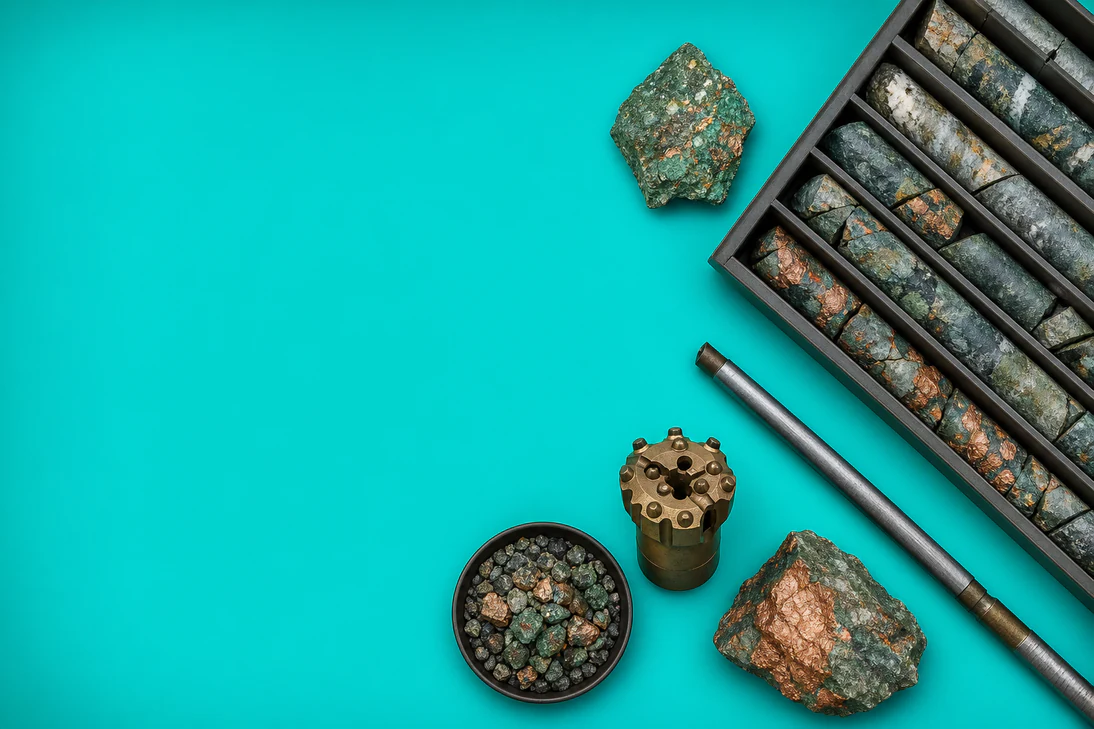
White Cliff Minerals (ASX:WCN) has secured a CAD$250,000 funding boost from the Government of Nunavut, injecting fresh capital into its ongoing 6,000m reverse circulation (RC) drilling program at the Danvers deposit within the Rae Copper Project. The first tranche of CAD$125,000 is expected imminently, with the remainder contingent on a final geological report. This grant, awarded through the Discover Invest Grow Program, underscores Nunavut’s commitment to fostering exploration in what the company describes as a Tier-1 mining jurisdiction.
Expanding the Teshierpi Fault Zone Footprint
The drilling campaign is ambitiously targeting a 12,000m strike length along the Teshierpi and Adjacent Fault Zone, guided by sophisticated geophysical datasets that mimic the signature of known high-grade copper mineralisation at Danvers. These efforts follow a string of promising visual copper sulphide intercepts extending over 1.8km, which effectively doubled the known mineralised footprint as reported earlier this month. The program aims to delineate additional epithermal copper-silver deposits along this major structural corridor, with step-out holes spaced 300-600m apart to test regional continuity and new targets.
This latest drilling push builds on White Cliff’s recent recommencement of activities at Rae, which included high-grade intercepts such as 175m @ 2.5% Cu and 8.66g/t Ag, and metallurgical testing confirming copper recoveries exceeding 95% via conventional flotation. The grant and drilling program also come on the back of the company’s sale of its Great Bear Project, which has bolstered its balance sheet and sharpened its focus on Rae’s sediment-hosted copper potential. These developments position White Cliff to accelerate exploration across both Danvers and the broader Rae sedimentary structures, including the Stark-Hulk sub-basin.
Historic Resource Requires Modern Validation
While the Danvers deposit hosts a historic resource estimate of 4.16 million tons at 2.96% copper, White Cliff cautions that this figure is not compliant with the JORC Code and dates back to drilling from the late 1960s. The company plans to verify and potentially update this resource with modern drilling and assay techniques, including quality control measures such as blanks, standards, and duplicates. Current drilling is exploratory and regional in nature, so reported intervals are drilled widths rather than true thicknesses, with further work needed to refine geological models and resource estimates.
Robust Metallurgical Results Support Project Economics
Metallurgical testwork conducted by Sepro Laboratories on composite samples from Danvers has demonstrated excellent copper and silver recoveries, exceeding 95% and 93% respectively, with high-grade concentrates (~40% Cu and 150 g/t Ag) produced without complex regrinding steps. These results suggest a potentially low-cost processing route, enhancing the project’s economic viability. The company also notes the absence of deleterious elements in concentrates, which bodes well for downstream processing and marketability.
White Cliff’s exploration approach is supported by detailed airborne geophysical surveys, including MobileMT and HeliTEM, which have helped define conductive zones associated with copper mineralisation. The company plans to expand geophysical coverage and follow up on targets identified in 2025 surveys to maintain momentum.
Strategic Positioning in Northern Canada’s Copper Belt
The Rae Copper Project sits within a geologically prospective region known for sediment-hosted and volcanic-hosted copper deposits, with a history of exploration dating back to the early 20th century. White Cliff’s recent activities, including the drilling restart and asset sale, have been covered extensively, highlighting the company’s strategic shift towards Rae as its flagship project. The Nunavut government’s grant not only eases financial pressures but also signals strong local support, which could be pivotal in advancing the project towards a JORC-compliant resource and eventual development.
White Cliff’s managing director Troy Whittaker emphasised that the funding strengthens the company’s financial flexibility, complementing recent underwriting and asset sales. This financial cushion allows White Cliff to accelerate drilling and exploration efforts along the Teshierpi Fault Zone and across the wider Rae Project area, aiming to unlock the full potential of this northern copper province.
With drilling results pending from recent campaigns and metallurgical data confirming promising recoveries, the next few months will be critical for White Cliff as it seeks to validate historic resources and expand its footprint in Nunavut’s copper-rich terrain. The company’s ability to convert exploration success into a JORC-compliant resource will be a key milestone to watch.
Investors will be keen to see how the combination of government support, robust metallurgical outcomes, and expanding geological footprints translates into tangible value for White Cliff, especially as the company navigates the complexities of exploration in a remote Arctic environment.
These developments follow White Cliff’s recent strong drilling and asset sale and the confirmation of copper sulphides over 1.8 km at Danvers, reinforcing the Rae Project’s emerging status as a significant copper exploration story.
Bottom Line?
White Cliff’s Nunavut grant provides a timely financial boost to advance drilling, but the path to a JORC-compliant resource and commercial viability remains a work in progress.
Questions in the middle?
- Will upcoming drilling confirm continuity and true thickness of Danvers mineralisation?
- How will White Cliff integrate metallurgical results into a scalable processing plan?
- What impact will Nunavut government support have on attracting further investment?