Lincoln Minerals Raises A$3.1 Million in Two-Tranche Placement at 1.2 Cents

Lincoln Minerals has raised A$3.1 million in a two-tranche placement to fund drilling at its Minbrie Copper Project, with a strategic investor gaining board representation rights.
- A$3.1 million raised via two-tranche placement
- Funds to support air core and diamond drilling at Minbrie
- Strategic investor Prosperity Success Holdings to nominate a director
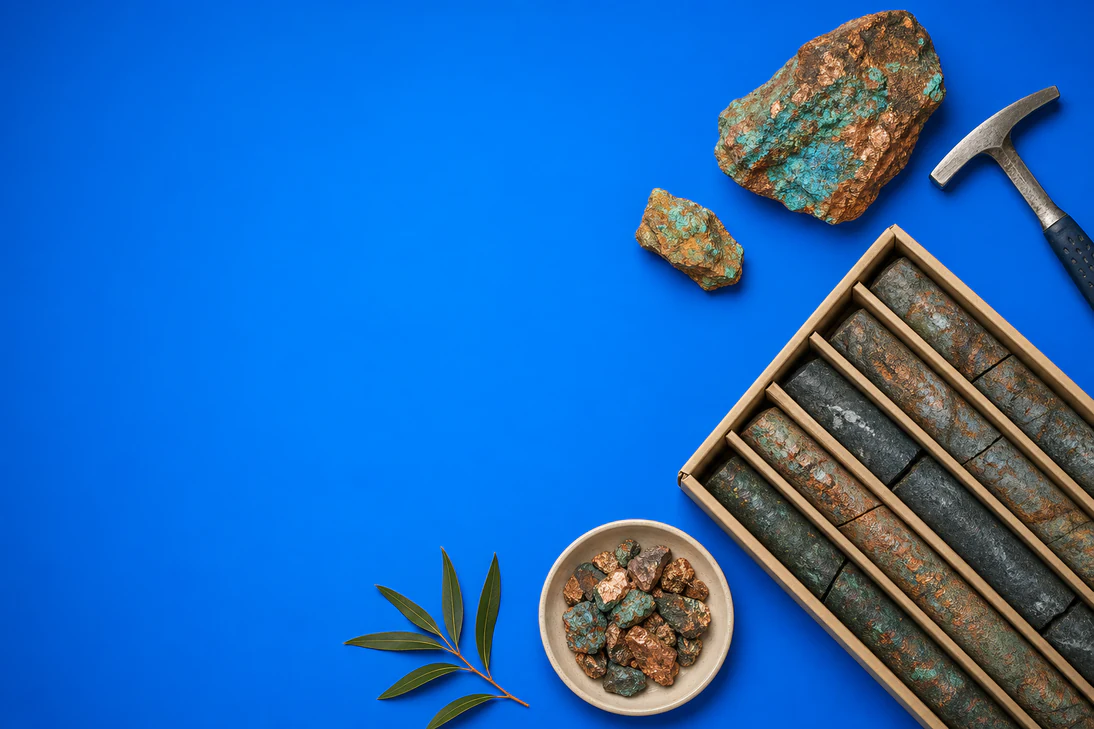
- Minbrie hosts 17km copper target with untested Eagle Ridge strike
- Options issued with 24-month escrow and $0.015 exercise price
Placement Raises $3.1 Million for Exploration
Lincoln Minerals (ASX:LML) has secured A$3.1 million through a strategic placement priced at 1.2 cents per share, aimed squarely at advancing its Minbrie Copper Project on South Australia's Eyre Peninsula. The raise, split into an unconditional $1 million tranche and a $2.1 million tranche subject to shareholder approval, brings approximately 258 million new shares into the market, accompanied by options exercisable at 1.5 cents each and expiring in June 2027. All new securities will be locked in escrow for two years.
The placement price notably sits slightly above recent trading levels, representing a 3.5% premium to the five-day volume weighted average price (VWAP) as of 22 May 2026. This pricing suggests investor confidence in Lincoln's copper-focused strategy and the potential of Minbrie as a cornerstone asset.
Strategic Investor Gains Board Representation
Prosperity Success Holdings Limited, a Hong Kong-based entity led by seasoned corporate finance executive Alexander Ji, is the sole subscriber in this placement. Upon completion of the second tranche, Prosperity will earn the right to nominate a director to the Lincoln board, a move that could influence the company’s strategic direction. However, this board seat is contingent on the investor maintaining at least a 10% shareholding.
Drilling Campaign to Commence in June
With funds now secured, Lincoln is set to mobilise a preferred drilling contractor in June 2026 to kick off an air core drilling program at Minbrie, followed by diamond drilling on the most promising targets. The project covers 17 kilometres of target stratigraphy prospective for copper and base metals, with a particular focus on Eagle Ridge where historic drilling has revealed significant mineralisation, including a standout intercept of 29.5 metres grading 0.8% copper, 7.5% lead, 1.9% zinc, and 9 grams per tonne silver from 131 metres depth.
The upcoming drilling aims to test approximately 1.7 kilometres of untested strike at Eagle Ridge, a zone overlooked in prior exploration efforts. This program builds on Lincoln’s recent Minbrie drilling approvals and reflects a methodical approach to unlocking the project’s potential.
Historic Data Reassessment Underpins Exploration
Lincoln’s renewed focus on Minbrie follows a comprehensive review and re-assay of historic core samples that uncovered previously unrecognised zones of copper and base metal mineralisation. These findings have reshaped the company’s exploration strategy, prioritising Minbrie as a flagship copper discovery project within its South Australian portfolio, which also includes graphite and magnetite assets.
This strategic pivot aligns with Lincoln’s broader corporate overhaul earlier in 2026, including new leadership and partnerships targeting base metals and green energy minerals, as detailed in their copper exploration acceleration plans. The company’s proximity to established infrastructure further enhances the project’s development prospects.
Bottom Line?
Lincoln’s funding boost clears the way for a critical drilling phase at Minbrie, but shareholder approval for the larger tranche and the quality of upcoming drill results will be pivotal for the company’s copper ambitions.
Questions in the middle?
- Will shareholder approval for the second tranche proceed smoothly in July 2026?
- Can the upcoming drilling at Eagle Ridge confirm and extend historic high-grade copper zones?
- How will the strategic investor’s board representation influence Lincoln’s exploration and corporate strategy?