West Cobar Metals Unveils Low-Cost Scandium Recovery Potential at Salazar

West Cobar Metals reports promising metallurgical results from its Salazar project, highlighting a potential low-cost scandium production route via atmospheric leaching and bioleaching. The findings reinforce Salazar’s strategic value amid rising global scandium demand and ongoing U.S. critical minerals engagement.
- Scandium leach recoveries up to 81% with acid leaching
- Bioleaching achieves up to 39% scandium extraction
- Shallow saprolite mineralisation offers processing advantages
- Inferred scandium resource of 15 Mt at 153 ppm Sc2O3
- Alignment with U.S. critical minerals strategy and funding
 Add us as a preferred source on Google
Salazar’s Scandium Extraction Breakthrough
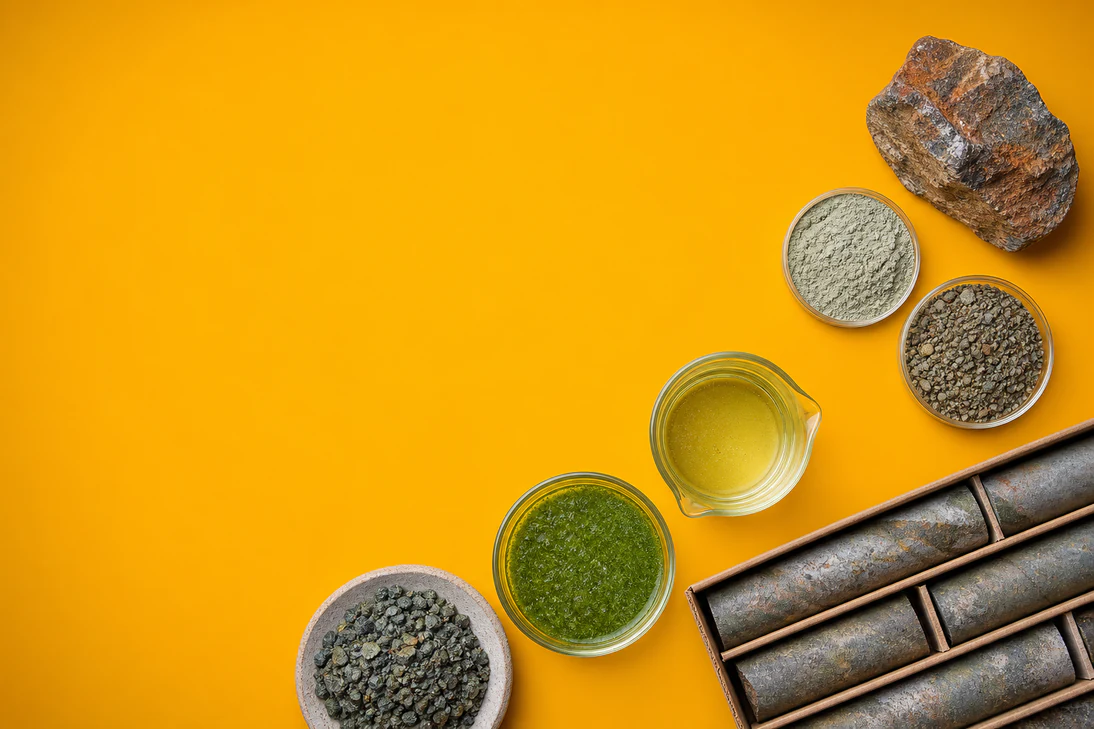
West Cobar Metals (ASX:WC1) has revealed metallurgical testwork at its Salazar Critical Minerals Project that could carve out a comparatively low-cost pathway for scandium extraction. Recent bioleaching screening in Estonia demonstrated scandium recoveries up to 39% under atmospheric conditions, a notable feat given the typically high-pressure, high-temperature processes required by other projects. Complementing this, earlier acid leach testwork at Nagrom in Western Australia achieved scandium recoveries soaring to 81% using hydrochloric acid at moderate temperatures and atmospheric pressure.
Processing Advantages from Saprolite Mineralisation
The shallow, saprolite-hosted mineralisation at Salazar sets it apart from many Australian scandium deposits, which often demand more complex lateritic ore processing. The scandium is hosted in lower iron-content clays, potentially easing recovery and reducing capital and operational costs. This mineralogical distinction underpins the project’s potential to sidestep the expensive high-pressure leaching routes that dominate the sector.
West Cobar’s Managing Director, Matt Szwedzicki, emphasised the strategic significance: “The combination of strong scandium recoveries achieved under atmospheric conditions and shallow saprolite-hosted mineralisation supports the potential for a comparatively low-cost development pathway.” The company is advancing bioleaching testwork, which, despite its preliminary stage, shows promise for scalable biological extraction methods.
Resource Scale and Strategic Commodity Mix
Salazar’s Newmont deposit hosts an Inferred Resource of 15 million tonnes grading 153 ppm Sc2O3 within the saprolite clay zone. The project also boasts substantial rare earth elements (REE), titanium dioxide, gallium, and alumina resources, positioning it as a multi-commodity critical minerals hub. The REE resource totals 230 million tonnes at 1,178 ppm total rare earth oxides (TREO), including elevated heavy rare earth elements like dysprosium and terbium.
Ongoing drilling aims to refine and extend higher-grade scandium zones, with planned infill aircore drilling at tighter 100m by 50m spacing around high scandium intersections. This campaign will better define resource continuity and support future development studies.
Alignment with U.S. Critical Minerals Priorities
Scandium's rising profile in aerospace, defence, and advanced manufacturing dovetails with West Cobar’s strategic engagement with U.S. critical minerals initiatives. The company is pursuing U.S. funding and offtake discussions to underpin Salazar’s development. This follows its recent moves to expand its copper footprint in the Cobar Basin, including the district-scale copper position and larger Lilyvale copper target, demonstrating a broadening portfolio aligned with electrification and defence supply chains.
Next Steps in Metallurgical and Development Work
West Cobar plans to integrate scandium oxide production pathways with co-product recovery of REEs and titanium minerals, refining its process flowsheet through ongoing metallurgical testwork. Heap leach potential and bioleaching scale-up remain key areas of focus. The company also intends to progress scoping and pre-feasibility studies to crystallise the project’s economic profile.
While the bioleaching results are encouraging, they remain preliminary and require further optimisation and scale-up to confirm commercial viability. The resource remains at an inferred classification, with tighter drilling and metallurgical studies needed to validate the low-cost processing thesis.
Bottom Line?
Salazar’s unique saprolite-hosted scandium and promising bioleaching results could disrupt traditional processing cost structures, but commercial viability hinges on upcoming testwork and resource definition.
Questions in the middle?
- Can bioleaching scale-up deliver commercially viable scandium extraction?
- How will tighter drilling redefine higher-grade scandium zones at Salazar?
- What impact will U.S. critical minerals funding have on Salazar’s development timeline?