Hawk Resources Confirms High-Grade Near Surface Copper at Utah Cactus Corridor

Lab assays from Hawk Resources’ drill hole DD26CT003 reveal substantial near surface copper mineralisation in Utah, with high-grade zones and a broad mineralised envelope. Drilling is set to resume in Q3 2026 to further define the corridor’s potential.
- 19.6m at 1.25% copper from 60.5m downhole
- High-grade intervals include 4.9m at 3.97% copper
- 80m mineralised zone grading 0.48% copper from surface
- Anomalous molybdenum, silver, and gold also intersected
- Drilling permits secured; program restart planned for Q3 2026
 Add us as a preferred source on Google
Strong Copper Mineralisation Confirmed in New Drill Hole
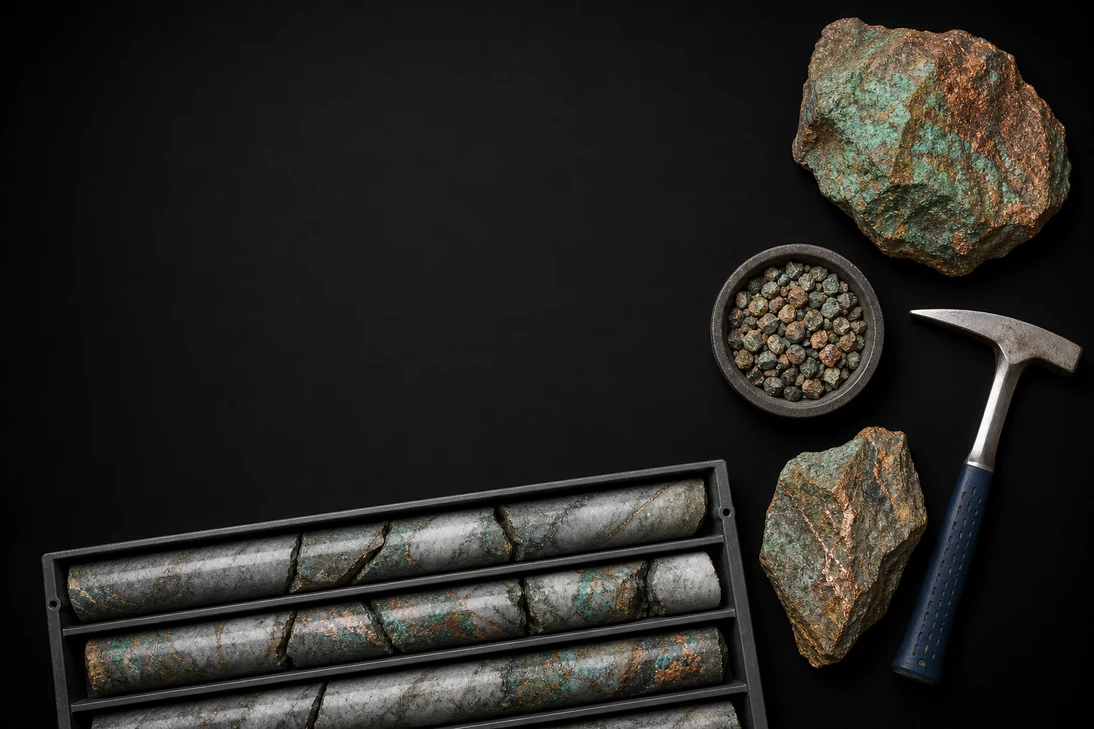
Hawk Resources Limited (ASX:HWK) has delivered encouraging assay results from its first drill hole into the Cactus section of the Cactus Corridor copper-gold project in Utah, USA. Drill hole DD26CT003 intersected a robust 19.6-metre interval averaging 1.25% copper starting at 60.5 metres downhole, including standout higher-grade zones of 14.2 metres at 1.60% copper and a particularly rich 4.9 metres at 3.97% copper. This mineralisation begins at a true vertical depth of just 44 metres from surface, underscoring the near surface nature of the deposit.
Broad Mineralised Envelope Suggests Larger Deposit Potential
Beyond the high-grade intercepts, the hole reveals an extensive 80-metre mineralised zone averaging 0.48% copper from surface, hinting at a substantial lower-grade copper body enveloping the richer cores. This broader envelope could signal a more sizeable deposit than previously delineated, though further drilling is needed to confirm continuity and extent. The mineralisation occurs within brecciated and altered granodiorite intrusions, with copper present as veins, blebs, and fracture fills.
Additional Metals Highlight Complex Mineralisation
Alongside copper, assays revealed a 46.1-metre zone of anomalous molybdenum averaging 0.03%, intersected from 35.7 metres downhole. While the significance of this molybdenum remains uncertain, it could add value if consistent in further drilling. Narrow intervals of silver and gold were also detected, including 12.8 metres at 8.3 ppm silver and 4.2 metres at 0.41 g/t gold, consistent with historical mining records but interpreted as likely stemming from a separate mineralising event.
Drilling Strategy and Historical Context
DD26CT003 was drilled at a low dip angle perpendicular to the corridor’s strike, designed to capture the true thickness of the mineralised zone. This hole bridges a 50-metre gap between historical drill holes from the 1960s, which also reported similar copper grades, lending confidence to the continuity of mineralisation along the corridor. The Cactus Corridor itself stretches approximately 1 kilometre northwest from the historical Comet deposit through the Cactus mine area towards the New Years prospect, with mineralisation open along strike and at depth.
Permits in Place for Drilling Resumption in Q3 2026
All necessary permits are now secured to recommence drilling along the Cactus Corridor, with plans to drill ten additional holes spaced at 50-metre intervals. This next phase will target both the Cactus section and the area between Cactus and the Comet mine, where historical drilling has intersected significant gold mineralisation. The company anticipates that these efforts will clarify the size and grade distribution of the mineralised system, potentially advancing the project towards resource definition.
Bottom Line?
Hawk’s assay results validate near surface copper potential at Cactus, setting the stage for a critical drilling campaign in Q3 2026 that could reshape the project’s scale and value.
Questions in the middle?
- Will upcoming drilling confirm the extent of the lower-grade copper envelope?
- Could the anomalous molybdenum intersected add economic significance to the deposit?
- How might the narrow gold and silver zones influence future exploration priorities?