Lode Resources Uncovers New Silver-Zinc Lode at Montezuma

Lode Resources has discovered a new silver-zinc replacement mineralisation system adjacent to its existing Montezuma silver-antimony resource in Tasmania, opening a fresh exploration front with potential to significantly expand its 8.2Moz AgEq resource base.
- New silver-zinc replacement lode discovered at Montezuma
- Drill hole MZS42 intercepts 6.4m @ 6.2% Zn and 43g/t Ag
- New mineralisation style akin to nearby world-class deposits
- Potential to test both silver-antimony and silver-zinc lodes in one drill hole
- Multiple funded drill programs underway across Tasmania projects

Discovery of Distinct Silver-Zinc Mineralisation at Montezuma
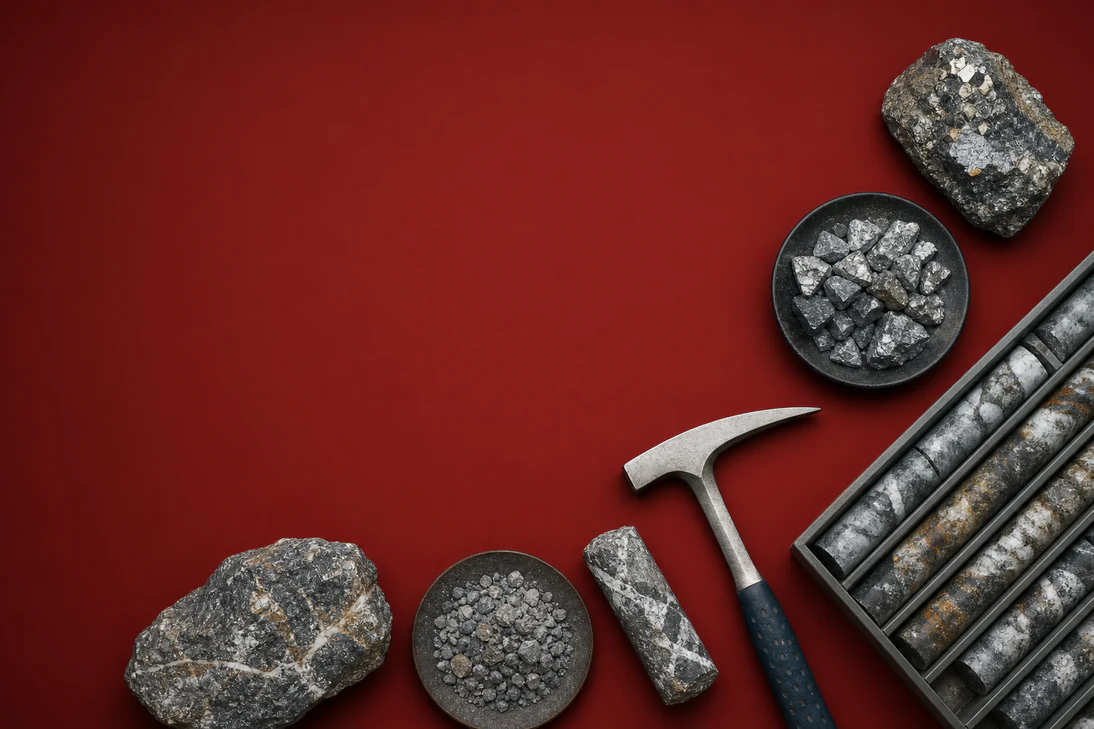
Lode Resources (ASX:LDR) has unveiled a fresh silver-zinc replacement mineralisation system at its Montezuma Silver & Antimony Project in Tasmania’s West Coast Mining Province. The discovery, made in drill hole MZS42, intercepted 6.40 metres grading 6.2% zinc, 1.5% lead, 43 grams per tonne silver and minor gold and antimony. This intercept is notable not only for its high zinc grade but also for its geological resemblance to carbonate replacement deposits such as the nearby Renison and Mt Bishoff tin mines, known for their substantial tonnage potential.
The silver-zinc lode lies adjacent to Montezuma’s existing silver-antimony resource, which was recently estimated at 8.2 million ounces silver equivalent (AgEq) at 533g/t AgEq. This new mineralisation style introduces a second target horizon alongside the Montezuma fault-hosted silver-antimony lode, potentially unlocking a significant resource expansion opportunity. The discovery is particularly promising given the 40-metre width of the Maestries carbonate conglomerate unit, now considered a prime drill target at depth.
Drilling Efficiency Gains and Exploration Pipeline
Importantly, future drilling from the east can simultaneously test both the original silver-antimony lode and the newly identified silver-zinc system within a single hole, enhancing drilling efficiency and potentially accelerating resource definition. This dual-target approach could materially increase mineralised tonnes per vertical metre drilled, a strategic advantage in resource expansion campaigns.
Lode’s Managing Director Keith Mayes highlighted the significance, stating that the discovery “can change the scale of a project” and emphasised the company’s ongoing efforts with imminent drilling planned at other high-grade prospects including Fahlore, Silver Cliffs, Persic, and the Granville tin project. These projects collectively underpin a district-scale exploration presence in Tasmania’s premier mining jurisdiction.
Geological Context and Metallurgical Work
The Montezuma Project sits within a polymetallic system associated with Carboniferous granite intrusions, featuring fissure vein mineralisation rich in silver, antimony, lead, zinc, tin, and tungsten. The newly found silver-zinc mineralisation is classified as a replacement style deposit, distinct from the fault-controlled silver-antimony lodes previously drilled.
Metallurgical test work by ALS Metallurgy has demonstrated strong recoveries for antimony (88.4%), silver (93%), lead (88.4%), and copper (91.5%), supporting the economic potential of the metals present. Further flotation tests are underway to assess tin and gold recoveries, which are not yet included in metal equivalent calculations.
Strategic Importance of Antimony and Regional Positioning
Antimony’s classification as a critical metal by Australian and international governments adds strategic weight to Montezuma, Tasmania’s only advanced antimony project. The metal’s supply chain has been subject to geopolitical pressures, including China’s recent export bans and subsequent trade negotiations with the United States. Lode’s project offers exposure to this critical mineral outside China’s dominant supply chain, aligning with Tasmania’s Critical Minerals Strategy aimed at expanding exploration and production of strategic metals.
Montezuma’s location near established mines such as MMG’s Rosebery and Hercules, Metals X’s Renison Bell, and Sibanye Stillwater’s Mt Lyell situates it within a highly prospective and well-understood mining province. This regional context enhances the project’s appeal and potential for integration into Tasmania’s mining infrastructure.
Resource Growth Potential and Next Steps
The Montezuma silver-antimony deposit remains open in all directions, with the new silver-zinc system adding a fresh dimension to the exploration upside. Lode is actively planning further drilling campaigns to delineate the extent of both mineralisation systems. Concurrently, drilling programs at satellite prospects and the Granville tin project are funded and scheduled, promising a steady stream of exploration news flow.
While the grades and geological analogies are encouraging, the true scale and economic viability of the new silver-zinc system require further drilling and metallurgical validation. Investors will be watching closely as Lode advances these programs, with the potential for a meaningful resource upgrade that could reshape the Montezuma project’s development trajectory.
Bottom Line?
Lode’s discovery of a new silver-zinc lode adjacent to its existing resource sets the stage for a potentially transformative resource upgrade, but the scale and economics hinge on forthcoming drilling and metallurgical results.
Questions in the middle?
- How extensive is the newly discovered silver-zinc mineralisation beyond the initial intercept?
- Will combined drilling of both lodes prove operationally and economically advantageous?
- How will evolving antimony market dynamics impact Montezuma’s strategic value?