Micro-X Captures First Human Images with CNT Head CT Scanner

Micro-X has captured the first human head images using its innovative carbon nanotube cone beam CT technology, marking a major technical milestone as it launches a multi-centre pilot study aimed at stroke diagnosis.
- First human imaging with CNT Head CT at Royal Melbourne
- Multi-centre pilot study to assess image quality in stroke patients
- $0.4 million milestone payment triggered by second test bench
- Head CT designed for rapid, low-dose stroke assessment
- Supported by Australian government funding and research partnerships

World-First Human Imaging Breakthrough
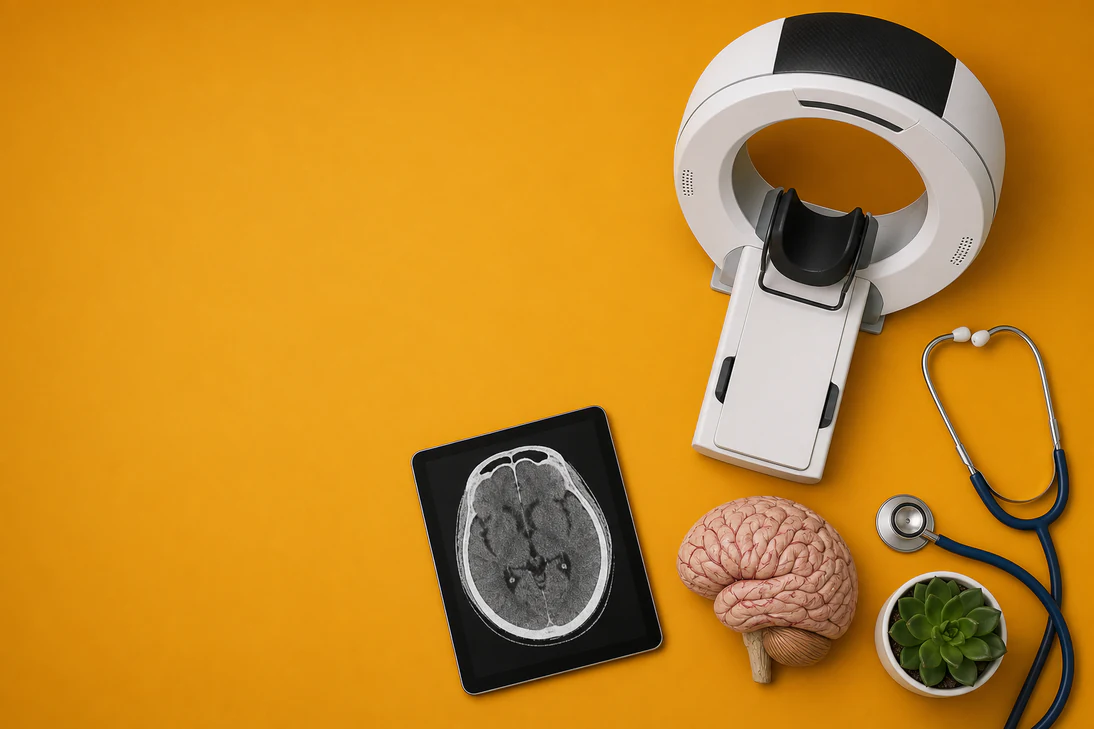
Micro-X Ltd (ASX:MX1) has crossed a significant threshold in medical imaging by acquiring the first-ever human head images using its carbon nanotube (CNT) cone beam CT technology. The milestone was achieved at the Royal Melbourne Hospital, where the company’s miniature Head CT scanner captured detailed brain images of patients, marking a world-first for cold cathode emitter technology in clinical use.
Chief Operating Officer Anthony Skeats described the achievement as the culmination of four years of intensive innovation. The initial patient data sets will now be instrumental in refining the scanner’s imaging algorithms, a critical step toward regulatory approval and eventual commercialisation.
Pilot Study Targets Stroke Diagnosis
The commencement of this multi-centre pilot study aims to evaluate the image quality and clinical utility of Micro-X’s Head CT against conventional CT scans in a hospital setting. The study focuses on patients with various brain pathologies including ischaemic stroke, intracranial haemorrhage, brain tumours, and stroke mimics. A total of 108 patients will be imaged over six to nine months to ensure a comprehensive data set.
Royal Melbourne Hospital radiographers have been trained to operate the device, which integrates seamlessly with the hospital’s PACS system, enabling standard clinical radiology assessments. The Australian Stroke Alliance research team will analyse the images, with results to be published upon study completion. To maintain trial integrity, images are being withheld from release until the reader study concludes.
Expansion to Second Trial Site and Funding Milestone
Micro-X has also completed manufacturing a second Head CT test bench for the Royal Adelaide Hospital, fulfilling key milestones under the Australian Government’s Medical Research Future Fund (MRFF) program. This achievement has triggered a $0.4 million milestone payment, reinforcing the project’s funding momentum.
The Head CT development benefits from $8 million in MRFF funding and an additional $4.4 million from the Industry Growth Program. Collaborations with leading institutions such as Monash University’s Design Health Collab and Johns Hopkins University underpin the project’s research and design efforts.
Device Designed for Pre-Hospital Stroke Care
Micro-X’s Head CT scanner is engineered to support rapid decision-making in acute stroke care, with future iterations intended for deployment in ambulances. The device weighs under 70 kilograms and fits within a standard road ambulance, offering a substantially lower effective radiation dose (≤0.75 mSv) than standard brain CTs.
Neurologist Dr Anna Balabanski of the Australian Stroke Alliance highlighted the potential for this technology to extend beyond hospital walls, envisioning a portable device capable of reaching patients in diverse settings to expedite stroke diagnosis and treatment.
Bottom Line?
Micro-X’s breakthrough human imaging with its CNT Head CT scanner sets the stage for critical clinical validation and future regulatory steps, but the path to widespread adoption hinges on pilot study outcomes and ongoing technology refinement.
Questions in the middle?
- Will the pilot study confirm sufficient image quality to support regulatory approval?
- How soon can Micro-X transition the Head CT from hospital to pre-hospital ambulance use?
- What competitive advantages will Micro-X’s CNT technology hold against established CT modalities?