Delorean’s SA1 Salisbury Project Gains GreenPower Renewable Gas Accreditation

3 min read
8:44am on Wednesday 10th of June, 2026 AEST ~8am, 10th Jun, 26
Popular on LinkedIn
Delorean Corporation’s SA1 Salisbury bioenergy project has secured accreditation under GreenPower’s Renewable Gas Certification, enabling it to issue Renewable Gas Guarantee of Origin certificates and strengthen its role in Australia’s renewable gas market.
- SA1 Salisbury Project accredited under GreenPower’s Renewable Gas Certification
- Project processes 70,000 tonnes of organic waste annually into biomethane
- Eligible to generate Renewable Gas Guarantee of Origin certificates
- Supports emission reductions and circular economy initiatives
- Backed by ARENA funding and nearing construction completion
 Add us as a preferred source on Google
GreenPower Accreditation Validates Delorean’s Renewable Gas Credentials
Delorean Corporation (ASX:DEL) has achieved a significant milestone with its SA1 Salisbury bioenergy project earning accreditation under the National GreenPower Accreditation Program’s Renewable Gas Certification (RGC). This recognition allows the project to generate Renewable Gas Guarantee of Origin (RGGO) certificates, which verify the environmental credentials of renewable gas injected into Australia’s gas network.
Administered by the NSW Government but operating nationally, GreenPower’s program has long underpinned voluntary renewable electricity markets since 1997. Its recent expansion into renewable gas certification reflects growing momentum to decarbonise gas consumption, particularly in commercial and industrial sectors eager to reduce Scope 1 emissions.
SA1 Project Positioned to Deliver Renewable Gas at Scale
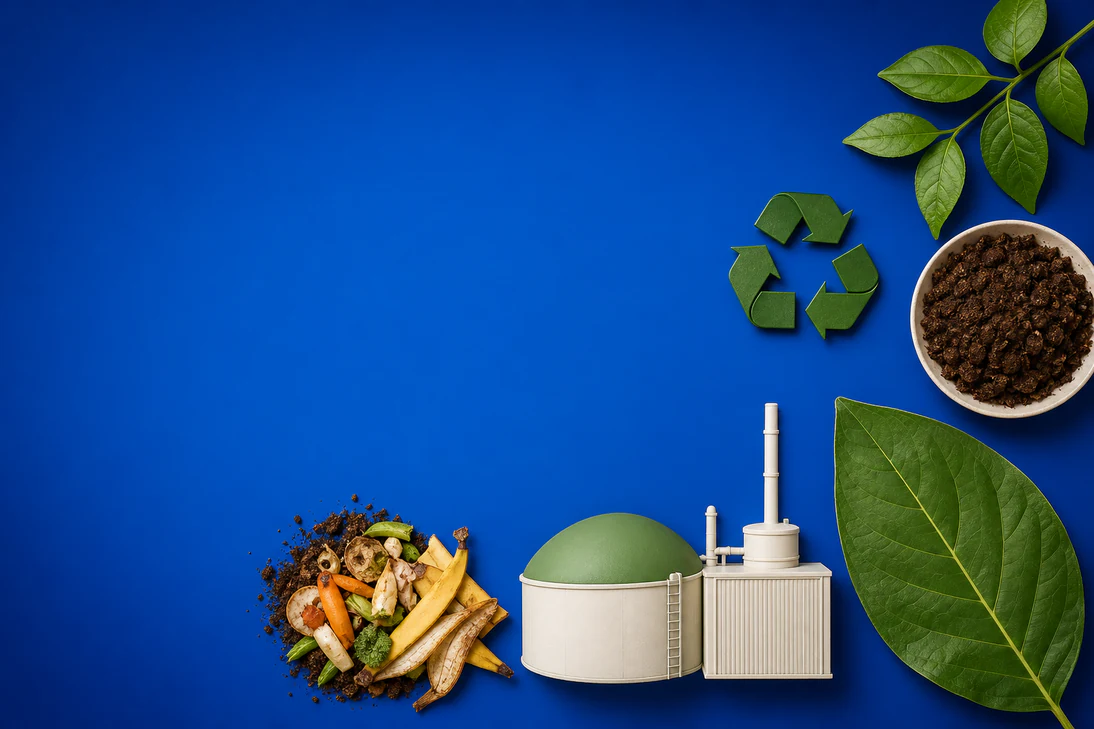
Located in Salisbury, South Australia, the SA1 facility is currently in the final stages of construction and is designed to process up to 70,000 tonnes of commercial and industrial organic waste annually. Through anaerobic digestion, this waste will be converted into biogas, which is then upgraded to biomethane for injection into Adelaide’s gas network; potentially producing up to 210 terajoules of renewable natural gas each year.
The project’s scope extends beyond renewable gas, with six distinct revenue streams planned, including renewable food-grade liquid CO2, carbon credits (ACCUs), liquid fertilisers, gate fees, and the newly accredited RGGOs. Supported by $6.1 million from the Australian Renewable Energy Agency’s National Industrial Transformation Program, SA1 exemplifies a multi-product bioenergy model that simultaneously reduces landfill volumes and generates clean energy.
Market Implications and Industry Leadership
Delorean’s Managing Director Joe Oliver highlighted the accreditation as a validation of the company’s leadership in Australia’s bioenergy sector and a signal of renewable gas’s growing role in the energy transition. GreenPower’s Program Lead Carl Hollis emphasised that projects like SA1 demonstrate biomethane’s readiness to support decarbonisation efforts at scale, offering industries a lower-emissions alternative compatible with existing gas infrastructure.
The accreditation also aligns with broader national objectives to decarbonise hard-to-abate sectors, strengthen energy security, and foster circular economies through waste-to-energy conversion. Delorean’s vertically integrated approach; from engineering to energy retail; positions it to capitalise on emerging renewable gas markets and voluntary carbon frameworks.
Next Steps and Expansion Potential
While Stage 1 focuses on 70,000 tonnes of waste processing, the project’s current development approval allows for a potential expansion to 125,000 tonnes per annum. This growth could enhance renewable gas output and associated certificate issuance, further embedding SA1 as a cornerstone of Delorean’s bioenergy portfolio.
With construction well advanced and strategic funding secured through grants and recent capital raises, Delorean is poised to commence biomethane injection into the gas network by late 2026, marking a first for commercial and industrial organic waste-derived renewable gas in Australia.
Bottom Line?
Delorean’s GreenPower accreditation for SA1 solidifies its role in Australia’s renewable gas landscape, but the pace of market adoption for RGGOs and regulatory shifts will shape the project’s commercial impact.
Questions in the middle?
- How quickly will commercial and industrial users adopt RGGOs to offset fossil gas consumption?
- What regulatory developments might influence the value and demand for renewable gas certificates?
- Could Delorean’s SA1 model catalyse similar bioenergy projects across other Australian states?