Vitrafy Raises A$30 Million to Scale US Cryopreservation Operations

3 min read
9:32am on Friday 12th of June, 2026 AEST ~9am, 12th June, 26
Popular on LinkedIn
Vitrafy Life Sciences has secured A$30 million through an institutional placement to ramp up manufacturing of its Guardion cryopreservation devices and expand US sales operations, with an additional A$2 million sought via a shareholder plan.
- A$30 million raised at A$2.60 per share
- Funds to scale Guardion device manufacturing
- US market expansion and sales acceleration
- Share Purchase Plan to raise up to A$2 million
- Placement priced at 31.6% discount to recent close

Capital Raise Anchored by US Growth Prospects
Vitrafy Life Sciences (ASX:VFY) has successfully completed a A$30 million institutional placement priced at A$2.60 per share, marking a significant step in its US expansion strategy. The raise, well supported by both new and existing institutional investors, reflects growing confidence in Vitrafy’s cryopreservation technology and its commercial potential in the US blood market.
The placement shares represent approximately 18.1% of the company’s issued capital, issued under existing ASX placement capacities without requiring shareholder approval. Alongside the placement, Vitrafy is launching a non-underwritten Share Purchase Plan (SPP) targeting up to A$2 million from eligible Australian and New Zealand shareholders, also priced at A$2.60 per share.
Funding Manufacturing and US Operations
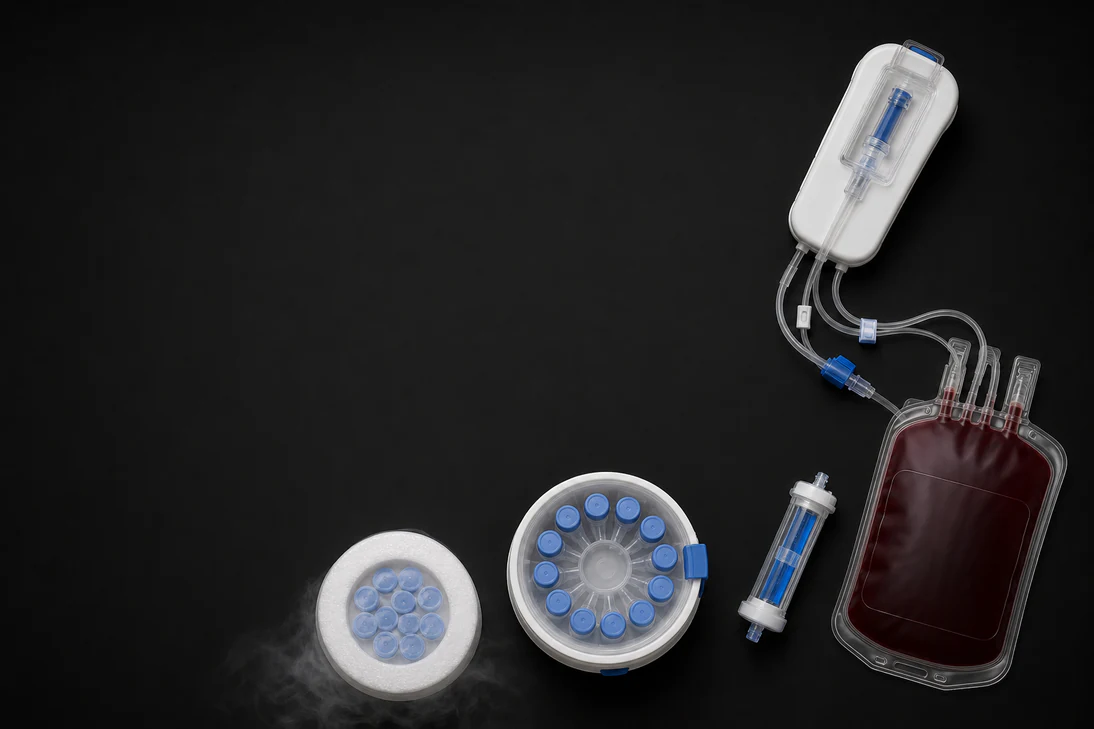
The proceeds will primarily fund the scale-up of manufacturing for Vitrafy’s Guardion devices, a proprietary cryopreservation freezer that forms the hardware cornerstone of its integrated ecosystem. This manufacturing ramp-up aims to meet anticipated demand driven by recent commercial traction and validation milestones in the US.
Additional funds will accelerate Vitrafy’s US sales and operational presence, supporting the company’s efforts to commercialise its technology across military and civilian blood networks. Vitrafy’s Guardion device has already gained FDA 510(k) registration (Class II exempt) and is progressing towards further regulatory milestones, underpinning its market readiness.
Cryopreservation Market Opportunity and Validation
Vitrafy’s technology addresses critical structural challenges in the US blood market, including chronic platelet shortages and the impending obsolescence of legacy red blood cell cryopreservation methods set to be phased out by 2027. Its no-wash platelet cryopreservation protocol has demonstrated a 94% post-thaw recovery rate in US Army-backed Phase II studies, outperforming existing standards and positioning the company to capture a significant share of the blood product market.
The company’s ecosystem approach combines hardware, cloud-based software, and consumables to deliver superior cryopreservation outcomes across blood products, animal reproduction, and cell and gene therapy sectors. Partnerships with major players like Vitalant, which manages approximately 10% of US blood collections, and IMV Technologies in animal reproduction, highlight Vitrafy’s expanding commercial footprint.
Shareholder Participation and Market Reception
The SPP offers eligible shareholders the opportunity to participate at the same discounted price, capped at A$2 million, with a maximum subscription of A$30,000 per shareholder. This move allows retail investors to join institutional backers in supporting Vitrafy’s growth trajectory.
CEO Brent Owens emphasised the importance of the capital raise in scaling manufacturing and US operations, stating, “With recent commercial milestones being achieved in the US blood market, we are increasingly confident about the growth opportunities for the company.”
While the placement price represents a 31.6% discount to the last close and an 8.8% discount to the 15-day VWAP, the strong demand underscores investor appetite for exposure to Vitrafy’s innovative platform and its potential to disrupt a market with urgent unmet needs.
Bottom Line?
Vitrafy’s capital raise sets the stage for accelerated US market penetration, but execution risks remain in scaling manufacturing and securing regulatory approvals.
Questions in the middle?
- How quickly can Vitrafy scale Guardion device production to meet US demand?
- Will the Share Purchase Plan attract strong retail participation at the discounted price?
- Can Vitrafy convert its US Army validation into broad commercial adoption across civilian blood networks?