Dalaroo Metals Uncovers Complex Granite Sources at Blue Lagoon Rare Earth Project

Dalaroo Metals' 2026 exploration at Blue Lagoon in Greenland reveals multiple fertile granite phases and heavy mineral concentrations, advancing the rare earth system's geological model and underpinning future drilling plans.
- 65% of geological mapping completed revealing diverse granite units
- Heavy mineral sands widespread in drainage systems and lagoon sediments
- Ground Penetrating Radar survey underway to map sediment architecture
- Operational shift to helicopter-supported fly-camp and hand auger drilling
- Southern Greenland solidifies status as emerging rare earth hotspot
 Add us as a preferred source on Google
Complex Granite Intrusions Drive Rare Earth Potential
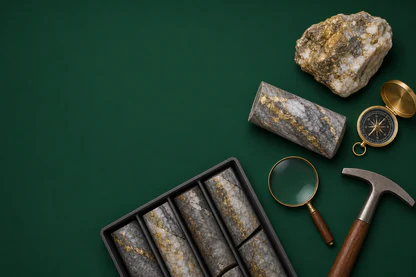
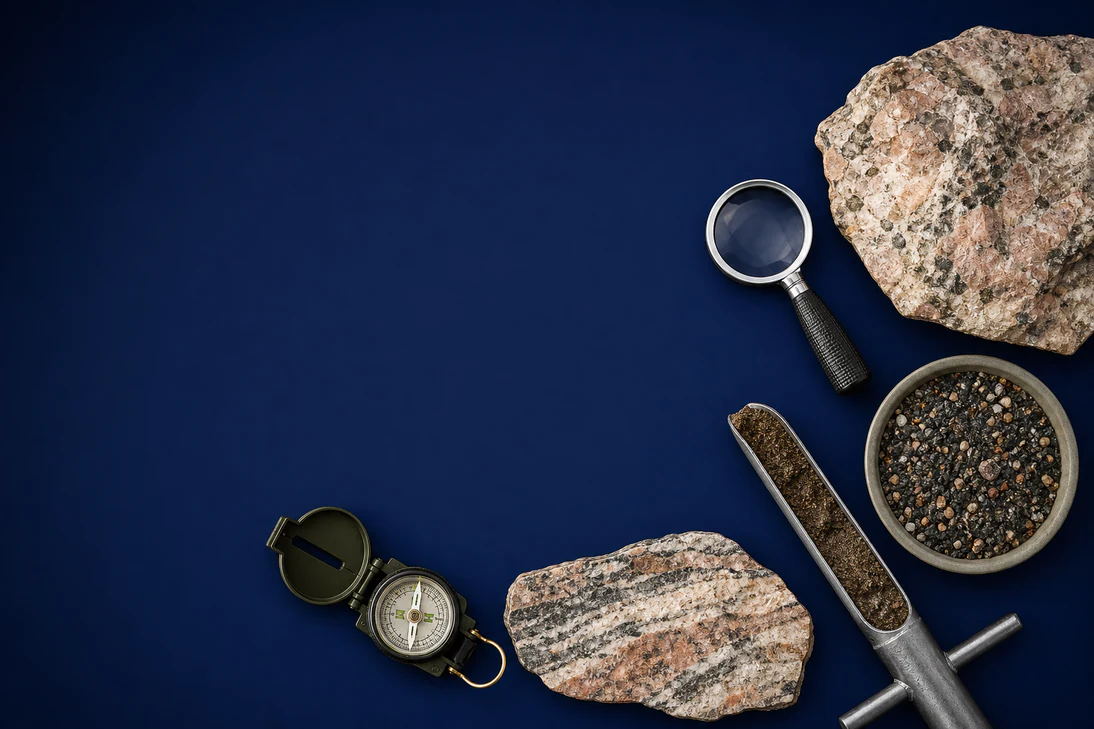
Dalaroo Metals Ltd (ASX:DAL) is rapidly advancing its Blue Lagoon Rare Earth Project in southern Greenland with geological mapping now revealing a far more complex and fertile intrusive system than initially understood. The 2026 field campaign has identified four distinct granite units, aplite sills, beryl-bearing pegmatites, and interpreted eudialyte-bearing alkaline granites; minerals associated with rare earth element enrichment.
These findings provide the strongest geological evidence yet that Blue Lagoon’s rare earth-bearing lagoon sediments originate from a large, highly evolved alkaline intrusive complex. The presence of coarse beryl crystals, a late-stage magmatic mineral, supports the notion of significant magmatic evolution, a key driver for rare earth element concentration.
Heavy Mineral Sands Confirm Source-to-Sink Model
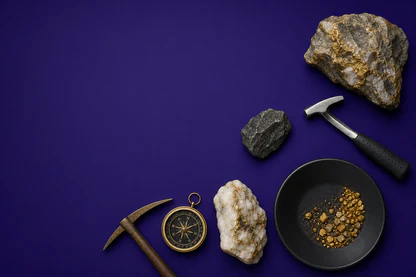
Surface sampling, now 40% complete, alongside lagoon sediment sampling at 50%, continues to validate Dalaroo’s source-to-sink exploration model. Widespread naturally concentrated heavy mineral sands have been identified throughout eastern drainage systems and beach foreshores, acting as natural traps for dense rare earth and critical minerals such as zirconium and hafnium.
These accumulations are consistent across multiple catchments, suggesting robust and repeatable geological processes rather than isolated occurrences. This scale of mineral concentration aligns with previous 2025 results where all 113 samples returned anomalous rare earth mineralisation, including peak total rare earth oxides (TREO) of 0.81%, zirconium oxide (ZrO2) up to 4.42%, and hafnium (Hf) concentrations reaching 99 ppm.
Innovative Survey Techniques and Operational Adaptations
Dalaroo has commenced a Ground Penetrating Radar (GPR) survey to provide the first three-dimensional understanding of lagoon sediment thickness, stratigraphy, and heavy mineral distribution. This geophysical data, combined with geological mapping and geochemical sampling, is expected to refine drill targeting and resource evaluation.
Weather challenges have forced a pivot from mechanised auger drilling to hand auger sampling and a transition to a helicopter-supported fly-camp operation. These adaptations have maintained the program’s momentum and allowed efficient access across the project area without compromising exploration objectives.
Southern Greenland’s Growing Strategic Importance
Blue Lagoon sits within the Helene alkaline granite of the Nunarsuit Complex, part of the Mesoproterozoic Gardar Alkaline Province; a region gaining traction as a globally significant rare earth jurisdiction. Neighbouring projects like Amaroq Ltd’s Ilua Rare Earth Project and Critical Metals Corp’s Tanbreez Rare Earth Project underscore the district’s strategic importance, with active drilling and resource development underway.
Dalaroo’s expanding footprint and integrated exploration approach position it well to contribute to the region’s emergence as a secure source of critical minerals outside traditional supply chains.
Next Steps and Catalysts
Key upcoming milestones include completion of the GPR survey, lagoon sediment sampling, and geological mapping. Laboratory assays from hard-rock and heavy mineral concentrate samples will be critical in confirming the mineral assemblages, alongside preliminary metallurgical studies. These data sets will underpin target generation for the next phase of drilling, setting the stage for Blue Lagoon’s transition from discovery to development.
Bottom Line?
Dalaroo Metals’ expanding geological insights and adaptive field strategy at Blue Lagoon are building a robust foundation for rare earth exploration in a rapidly emerging Greenland district.
Questions in the middle?
- Will laboratory confirmation of eudialyte and other minerals validate the interpreted source rocks?
- How will the integration of GPR and sediment data refine drill targeting and resource estimates?
- Can Blue Lagoon’s source-to-sink model sustain scale and continuity beyond initial surface sampling?