Cobre Raises A$90 Million to Accelerate Sierra Atacama Copper Growth

Cobre Limited has secured A$90 million through a two-tranche placement to boost production and exploration at its Sierra Atacama copper mine while strengthening its balance sheet.
- A$90 million placement backed by major shareholders
- Funds allocated to ownership increase, debt repayment, and plant upgrades
- Placement shares priced at 9.1% discount to last close
- Board participation subject to shareholder approval
- Exploration and development activities to advance in parallel
Significant Capital Raise to Fuel Copper Production
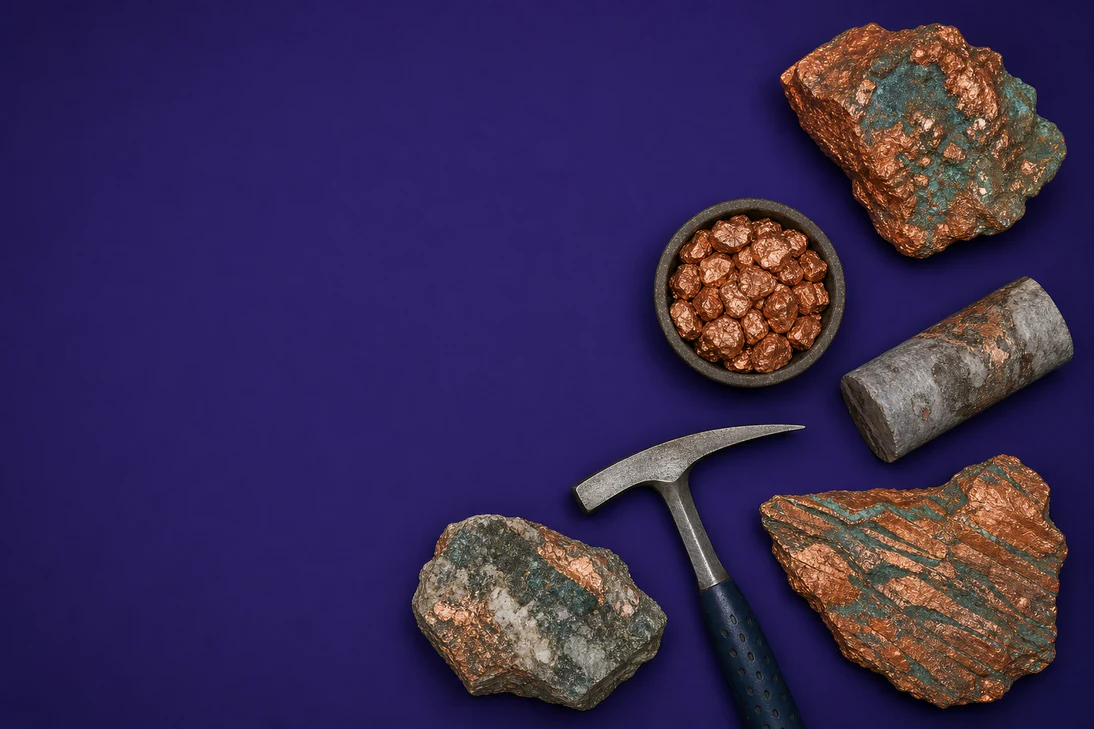
Cobre Limited (ASX:CBE) has successfully raised A$90 million via a two-tranche placement, marking a pivotal step towards scaling its Sierra Atacama copper mine operations. The capital raise is underpinned by strong support from existing and new institutional investors, including cornerstone commitments from Tribeca Investment Partners and Strata Investment Holdings Plc, who contributed A$20 million and A$8 million respectively.
The placement price of A$0.30 per share represents a 9.1% discount to the last traded price, reflecting the company’s strategy to attract robust investor participation while balancing dilution concerns. The Board is also pitching in with a collective A$200,000 stake, pending shareholder approval at an upcoming Extraordinary General Meeting (EGM).
Targeted Use of Proceeds to Strengthen Operations and Balance Sheet
Proceeds from the placement, combined with existing cash reserves, will be strategically deployed across several fronts. Approximately A$17 million will increase Cobre’s ownership in the Sierra Atacama Project, building on the recent capital injection that lifted the company’s stake above 54% and edging it closer to majority control. Debt repayment is earmarked at A$26 million, aiming to reduce financial leverage ahead of planned production ramp-ups.
Operationally, A$29 million is allocated to upgrading the processing plant to a 1,500 tonnes per month capacity and other development costs, complementing ongoing efforts to boost output. Exploration remains a priority with A$24 million dedicated to resource drilling and regional exploration around Sierra Atacama, reinforcing the company’s drive to expand and upgrade its resource base.
Additional funds will support activities at Cobre’s Botswana projects and cover general working capital and corporate expenses, including contingencies and costs associated with the placement itself.
Advancing Towards Mid-Tier Producer Status
Executive Chairman Martin Holland described the capital raise as a “transformational milestone” that positions Cobre to become a mid-tier copper producer. His comments underscore the company’s confidence in the Sierra Atacama district, often described as a copper heartland, and its potential to deliver significant value through parallel production, exploration, and development initiatives.
With the first tranche of approximately 240 million shares already issued under existing placement capacity, the second tranche of about 60 million shares awaits shareholder approval. The timetable anticipates the EGM and subsequent allotment of tranche two shares by late August or early September 2026.
This capital raise builds on Cobre’s recent operational turnaround, including achieving positive cash flow within months of taking control of Sierra Atacama and launching a substantial drilling program to convert foreign resource estimates into JORC-compliant figures. The company’s strategic moves to expand its footprint and resource base in northern Chile continue to gather momentum.
Bottom Line?
Cobre’s A$90 million placement sets the stage for accelerated growth but hinges on shareholder approval to fully realise its expansion ambitions.
Questions in the middle?
- Will shareholder approval for tranche two and Board participation be secured at the upcoming EGM?
- How quickly can Cobre translate increased ownership and plant upgrades into higher production volumes?
- What impact will the debt repayment have on the company’s financial flexibility amid ongoing exploration?