Stelar Metals Uncovers Widespread High-Grade Tungsten at Hill of Leaders NT

Stelar Metals has revealed multiple rock chip assays exceeding 1% WO3 at its Hill of Leaders Project, marking a significant new tungsten discovery in the Northern Territory. The company is fast-tracking drilling to test the system's scale amid tightening global tungsten supply.
- Maiden sampling returns high-grade tungsten above 1% WO3
- Scheelite and wolframite mineralisation spans broad 2km corridor
- Elevated molybdenum, bismuth, and copper suggest polymetallic potential
- Maiden Reverse Circulation drilling planned within weeks
- Executive Chairman Stephen Biggins leverages NT critical minerals expertise
 Add us as a preferred source on Google
Significant New Tungsten System Identified at Hill of Leaders
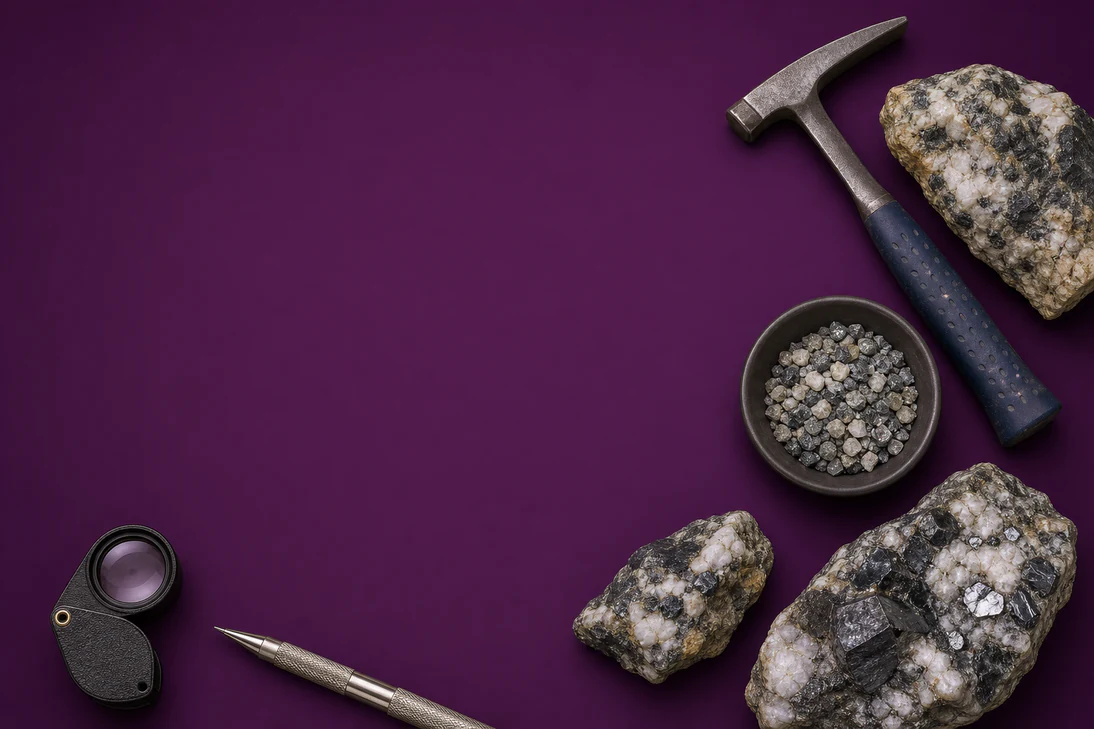
Stelar Metals (ASX:SLB) has announced a major early-stage tungsten discovery at its Hill of Leaders Project in the Northern Territory, with maiden rock chip assays returning multiple samples grading above 1% WO3. The presence of both scheelite and wolframite tungsten minerals across a broad footprint suggests the project hosts a widespread mineralised system rather than isolated pockets.
The initial Phase 1 program collected 18 rock chip samples, including in-situ mineralisation and historical mine mullock, revealing over a quarter of samples with very high-grade tungsten exceeding 0.5% WO3 and two samples above 1% WO3. These grades substantially surpass typical economic cut-offs, positioning Hill of Leaders as a compelling new tungsten target in a region gaining strategic importance amid global supply constraints.
Mineralisation Style and Associated Metals
Tungsten mineralisation occurs predominantly within quartz vein systems hosted by the large Hill of Leaders Granite. Multiple stacked and subparallel quartz veins extend over approximately 2 kilometres and 200 metres wide, with scheelite observed both in fractures and the biotite contact zone of the granite; potentially indicating a significant mineralised halo beyond the veins.
Wolframite, typically associated with copper minerals such as malachite and chalcocite, was notably identified in historic workings like Old Ghan and Makinsons. Alongside tungsten, the samples showed elevated molybdenum averaging 0.026% Mo, bismuth up to 0.4%, and copper assays reaching 6.64% Cu, with some samples also containing trace gold. This polymetallic signature hints at byproduct credits that could enhance project economics.
Experienced Leadership and Strategic Timing
Executive Chairman Stephen Biggins, who led Core Lithium (ASX:CXO) through discovery to production of the Finniss Lithium Project in the Northern Territory, highlighted the significance of these results. He noted the resemblance of Hill of Leaders’ early-stage characteristics to those of Finniss and emphasised the tightening tungsten market driven by Chinese export restrictions and Western efforts to secure critical mineral supply chains.
“Widespread tungsten mineralisation and grades above 1% WO3 tell us we are dealing with a real tungsten system of significant scale,” Biggins said, underscoring Stelar’s readiness to advance exploration rapidly.
Next Steps: Drilling and Further Exploration
Building on these encouraging assays, Stelar is accelerating follow-up work, including detailed geological mapping, extensive surface sampling, and high-resolution geophysical surveys. The company is preparing for its maiden Reverse Circulation (RC) drilling campaign, planned to commence in the coming weeks, to test the continuity, width, and grade of mineralisation at depth.
Given that rock chip samples are selective and may not fully represent average grades, drilling will be critical to establish resource potential and economic viability. The project covers a substantial 450 square kilometres within a historically underexplored tungsten province, presenting a first-mover advantage for Stelar.
Sample assays from the Phase 2 field program are expected shortly, and the market will be watching how the drilling results shape the project's development trajectory.
Bottom Line?
Stelar’s initial high-grade tungsten discovery at Hill of Leaders sets a promising foundation, but the true scale and economic potential hinge on imminent drilling results.
Questions in the middle?
- Will drilling confirm the lateral and vertical continuity of tungsten mineralisation?
- How might molybdenum and copper byproducts influence project economics?
- What regulatory and permitting challenges could affect the pace of development in the Northern Territory?