LinQ Minerals Delivers High-Grade Copper-Gold Hits at Monza Prospect

LinQ Minerals has reported strong copper-gold intersections from its maiden drilling at the Monza prospect within the Gilmore Project, confirming significant shallow mineralisation and extending the known porphyry system.
- 5m at 5.36% CuEq within 208m intersection in hole MZACD005
- 28m at 1.85% CuEq within 226m intersection in hole MZACD003
- System remains open along strike and down plunge northwest
- Potential continuous porphyry system between Monza and Estoril
- Further assay results pending from five additional holes
 Add us as a preferred source on Google
Standout High-Grade Intersections Confirm Porphyry Potential
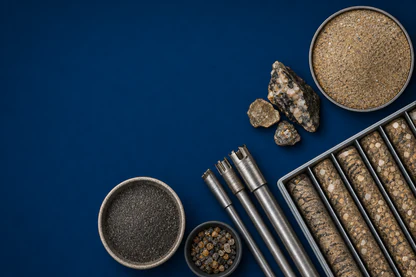
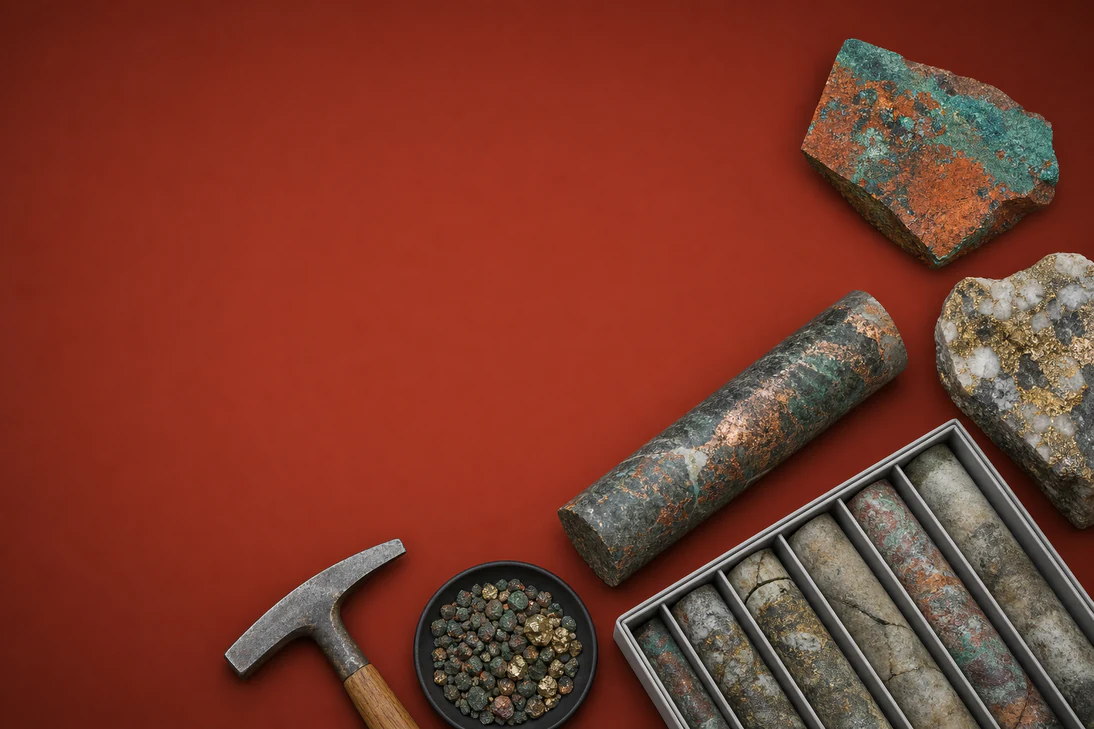
LinQ Minerals (ASX:LNQ) has unveiled encouraging results from its maiden drill campaign at the Monza Gold-Copper prospect, part of the expansive Gilmore Project in New South Wales. The drilling returned a standout 5 metres grading 5.36% copper equivalent (CuEq) within a broader 208-metre intersection at 0.61% CuEq from 38 metres in hole MZACD005, highlighting the presence of high-grade sulphide breccia mineralisation near surface.
Other significant intercepts include 28 metres at 1.85% CuEq within a 226-metre intersection at 0.70% CuEq from 47 metres in hole MZACD003, and 17 metres at 1.58% CuEq within a 136-metre intersection at 0.70% CuEq from 47 metres in hole MZACD004. These results reinforce the shallow, thick copper-gold mineralisation that LinQ is targeting in this emerging porphyry system.
System Open Along Strike and Down Plunge
The drilling confirms a west-dipping porphyry system interpreted to plunge steeply northwest to north northwest, with mineralisation remaining open both along strike and down plunge. The geometry suggests potential for extensions beyond the current drill footprint, with the sulphide breccia zones showing continuity from previous high-grade intercepts such as 12.7 metres at 13.8% CuEq in discovery hole TMZD001.
LinQ’s Executive Chair Clive Donner expressed optimism, noting the "excellent first-pass results" and the encouraging nature of the higher-grade breccia zones. The company plans to follow up on pending assays from five additional holes and prioritise drill testing of strong basement anomalies identified over an 800-metre strike between Monza and the nearby Estoril prospect.
Broader Porphyry Corridor and Exploration Upside
Monza sits within a 17-kilometre mineralised porphyry corridor that includes multiple deposits and prospects such as Estoril, Culingerai, Mandamah, and Donnington. The corridor is geologically analogous to the Northparkes copper-gold complex, located about 150 kilometres north. Notably, a one-kilometre gap between Monza and Estoril hosts untested copper equivalent anomalies from previous aircore drilling, which LinQ aims to drill test to evaluate the possibility of a continuous porphyry system.
The Gilmore Project hosts a global mineral resource estimate of 516 million tonnes containing approximately 3.7 million ounces of gold and 1.2 million tonnes of copper, underscoring the scale of LinQ’s asset base. The company employs industry-standard drilling and sampling techniques with rigorous quality control to ensure the reliability of assay data.
Next Steps and Pending Results
Assay results remain pending for holes MZACD006 to MZACD010, which will provide further clarity on the extent and grade continuity of the Monza system. LinQ intends to continue drilling to test along strike and down dip extensions and to explore the gap between Monza and Estoril. The company’s methodical approach and early success at Monza add a compelling chapter to the ongoing development of its flagship Gilmore Project.
Bottom Line?
The Monza drilling results bolster LinQ’s case for a significant copper-gold porphyry system with promising high-grade zones, but pending assays and further drilling will be key to defining its full potential.
Questions in the middle?
- Will pending assay results from holes MZACD006-010 confirm or extend the high-grade zones at Monza?
- Could the untested anomalous zone between Monza and Estoril reveal a continuous porphyry system?
- How might these drilling results influence LinQ’s resource estimates and exploration strategy across the Gilmore Project?