Patagonia Lithium Advances Drilling and Resource Updates with $9.3m Cash Buffer

Patagonia Lithium (ASX:PL3) reported solid progress in its June quarter, hitting key milestones in drilling, pump testing, and resource modelling at its Argentine lithium brine projects, supported by a strong cash position following recent capital raises.
- Completion of drilling and packer tests at Formentera/Cilon projects
- 72-hour pump tests show strong lithium brine flow rates
- Mineral Resource Estimate update underway for H2 2026
- Pilot plant chemical engineering work progressing for scale-up
- Cash balance at $9.3 million supported by $3.4m capital raise
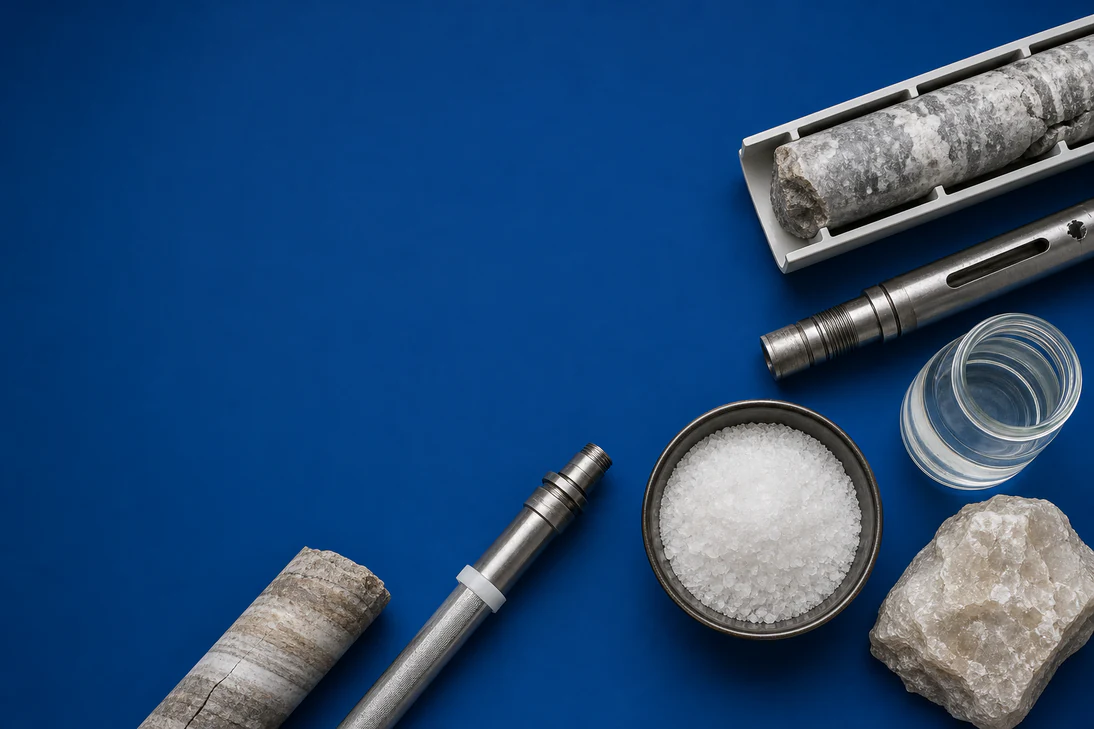

Strong Pump Test Results Highlight Resource Potential
Patagonia Lithium Limited (ASX:PL3) has delivered another quarter of meaningful progress at its flagship Formentera and Cilon lithium brine projects in Argentina. The company reported outstanding 72-hour pumping tests, including a flow rate of 4,000 litres per hour on well JAM 26-06, equating to filling 35.74 pools of 8,000 litres each over the test period. Enhanced pump hose sizes on wells 2, 3, and 6 boosted flow rates by up to 36%, demonstrating increasing aquifer productivity.
These results reinforce the high porosity and transmissivity of the brine reservoirs, critical for future production potential. Assay results from packer tests at well JAM 26-07 confirmed lithium concentrations around 270 ppm, consistent with prior wells, while drilling at well JAM 26-08 was ongoing at 276 metres with assays pending.
Resource Estimate and Environmental Approvals Advancing
The company is progressing a Mineral Resource Estimate (MRE) update, with Atacama Water Consultants refining the leapfrog model ahead of an expected H2 2026 release. Patagonia also submitted a bi-annual Environmental Impact Statement, a key step towards permitting for its planned lithium carbonate demonstration plant near Jama, Argentina.
Executive Chairman Phillip Thomas highlighted the team's operational momentum, noting the world-class expertise driving the project forward and the strategic site visit to the plant location. He acknowledged recent lithium carbonate price retracements but pointed out the still robust price of US$21,565 per tonne as of late July.
Pilot Plant Scale-Up and Brazilian Exploration Plans
On the processing front, chemical engineering work with Ekosolve Pty Ltd and Sulzer Corporation continues, focusing on shaker tests of 200 litres of brine. This work aims to scale up from a 1,000 tonne lithium carbonate demonstration plant to a 10,000 tonne pilot plant, potentially improving production economics significantly.
Meanwhile, in Brazil, Patagonia is advancing exploration planning on its granted concessions totaling over 41,000 hectares. Efforts include engaging geophysics firms to identify sampling locations for rare earth elements and niobium targets, with tenders issued for ground magnetic surveys and soil sampling in key areas near Araxá.
Financial Position Bolstered by Capital Raises
Patagonia closed the quarter with a cash balance of $9.3 million, bolstered by a $3.4 million capital raise in June and a further $8 million placement subject to shareholder approval in August. The top 20 shareholders hold over 90% of issued shares, reflecting concentrated ownership.
Exploration expenditure for the quarter totaled $1.6 million, primarily directed towards drilling, seismic surveys, and supplies. Operating costs remained controlled, with director fees and related party payments disclosed transparently.
Upcoming Catalysts to Watch
Looking ahead, Patagonia aims to complete drilling and packer assays at well JAM 26-08, finalize the updated Mineral Resource Estimate, and engage with community stakeholders and regulatory authorities in Jujuy province as permitting for the lithium carbonate plant advances. These milestones will be pivotal in shaping the project's development trajectory and investment case.
While assay results from the latest drilling remain pending and the $8 million capital raise awaits shareholder approval, the company's methodical progress and strong cash position position it well to capitalise on Argentina's lithium triangle potential.
Bottom Line?
Patagonia Lithium’s steady technical progress and robust cash reserves set the stage for an important resource update and plant permitting in H2 2026, though upcoming assay results and shareholder votes will be key near-term inflection points.
Questions in the middle?
- Will the pending assays from well JAM 26-08 confirm consistent lithium grades to support resource upgrades?
- How will the community and regulatory engagement in Jujuy province influence permitting timelines for the demonstration plant?
- What impact will scaling pilot plant capacity from 1,000 to 10,000 tonnes have on project economics and financing needs?