Foresta Reports NZD$35,000 Grant and Patent Progress Amid Legal Closure

Foresta Group Holdings progresses its Kawerau Stage 1 project with major engineering milestones, secures a NZD$35,000 Ara Ake grant for technology review, and obtains US patent allowance for its rosin and terpene production process.
- NZD$35,000 Ara Ake grant for independent torrefaction technology review
- Legal proceedings from 2021 plant incident concluded with no conviction
- US patent allowance granted for proprietary rosin and terpene extraction process
- Completion of FEL 1 Concept Study and geothermal heat feasibility for Kawerau project
- Cash balance of AUD 3.43 million with $2 million convertible notes outstanding

Ara Ake Grant Supports Independent Technology Review
Foresta Group Holdings Limited (ASX:FGH) has secured a NZD$35,000 grant from Ara Ake to fund an independent review of its Torrefaction after Pelletisation (TAP) technology. This funding underlines Ara Ake’s commitment to fostering low-emissions energy innovation in New Zealand and marks a step forward in validating the technical robustness of Foresta’s flagship Kawerau project.
Legal Closure on 2021 Apple Tree Creek Incident
Legal proceedings stemming from a 2021 incident at Foresta’s former Apple Tree Creek plant have now concluded. The incident involved a lightning strike followed by an explosion, causing significant damage to the Master Control Centre. Despite extensive investigations, the cause of the explosion remained undetermined. The Bundaberg Magistrates Court did not record a conviction. Foresta emphasises that safety protocols were adhered to, framing the event as an operational risk exposure rather than a failure of health and safety procedures. The company’s new board has since intensified risk oversight and governance controls to mitigate future incidents.
US Patent Allowance Enhances Intellectual Property Portfolio
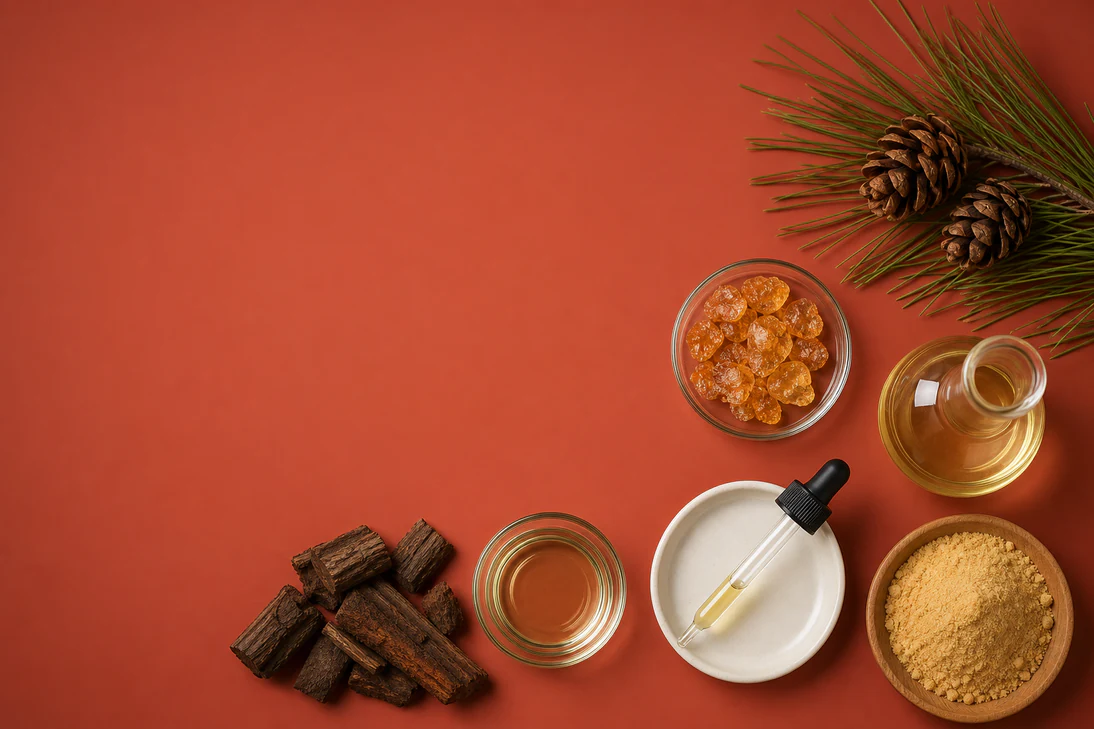
In a notable intellectual property development, the United States Patent and Trademark Office has allowed Foresta’s patent application covering its rosin and terpene production process. This patent, once granted, is expected to protect the proprietary extraction method in the US until at least June 2041. It represents the first allowed patent in Foresta’s rosin and terpene family, with parallel applications filed in key global markets including Australia, Brazil, China, and Europe. This strengthens Foresta’s position in renewable pine chemical technology and supports its commercialisation ambitions.
Progress on Kawerau Stage 1 Project Engineering and Feasibility
The quarter saw significant progress on the Kawerau Stage 1 project. Foresta completed its Front-End Loading (FEL) 1 Concept Study, a crucial milestone that enhances cost certainty and technical definition ahead of subsequent design phases. Additionally, a low-carbon process heat feasibility study, conducted with EECA, confirmed geothermal resources as a viable heat source for the facility. Foresta also completed torrefaction technology due diligence, supported by the Ara Ake grant, further solidifying the project’s technical foundation.
Power supply and site infrastructure evaluations advanced, focusing on leveraging existing regional assets and ensuring supply resilience. Governance and risk management frameworks remained active, with ongoing project status reporting and board oversight.
Stakeholder Engagement and Supply Chain Development
Foresta continues to cultivate its forestry supply chain and strengthen partnerships with local Māori iwi, landowners, and regional stakeholders. These efforts aim to foster sustainable resource stewardship and regional economic development aligned with community interests. Engagement with government agencies and councils remains constructive, supporting alignment with policy settings and infrastructure priorities.
Financial Position and Capital Structure
As of 30 June 2026, Foresta held a cash balance of AUD 3.43 million. The company reported net operating cash outflows of AUD 902,000 for the quarter, reflecting ongoing development activities. Convertible notes totaling AUD 2 million remain outstanding, with a 10% annual interest rate and maturity in March 2028. Payments to related parties, including director fees and executive consulting, amounted to approximately AUD 213,000.
Bottom Line?
Foresta’s steady engineering progress and IP gains underpin its long-term project ambitions, but ongoing operational costs and funding structure warrant close attention.
Questions in the middle?
- How will Foresta finance the next development phases beyond its current cash runway?
- What impact will the independent review of TAP technology have on project timelines and investor confidence?
- Will the US patent grant catalyse commercial partnerships or licensing opportunities in key markets?