MB Gold’s DDIP Survey Uncovers Multiple Chargeability Anomalies at Marble Bar

MB Gold’s recent Dipole Dipole Induced Polarisation survey at Marble Bar reveals several new chargeability anomalies, highlighting untested targets beneath existing prospects and setting the stage for deeper drilling.
- Multiple chargeability anomalies identified beneath key prospects
- Historical drilling missed high-priority chargeability zones
- Phase 2 RC drilling imminent at Twin Veins and Razorback
- Survey co-funded 50% by Exploration Incentive Scheme grant
- Integrated targeting study underway combining geophysical and geochemical data
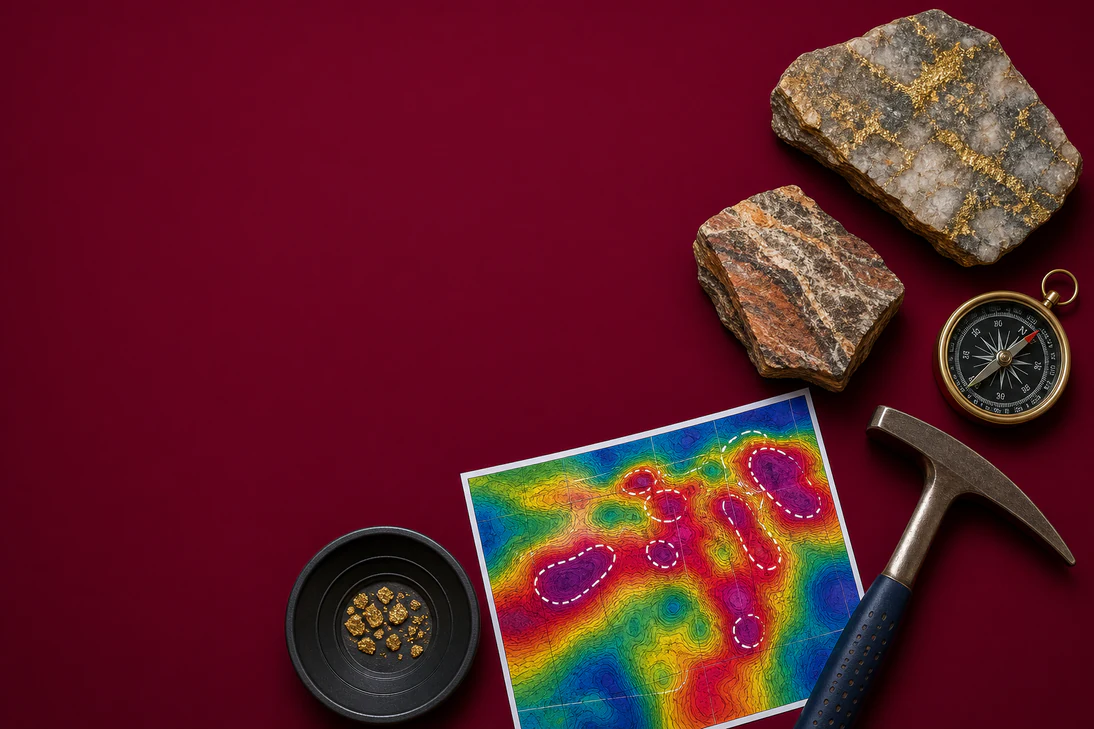

DDIP Survey Reveals Untapped Potential Beneath Marble Bar Prospects
MB Gold Limited (ASX:MBG) has completed a Dipole Dipole Induced Polarisation (DDIP) survey at its Marble Bar Gold Project, unearthing multiple chargeability anomalies that could point to significant gold mineralisation at depth. The survey, co-funded 50% by an Exploration Incentive Scheme grant, targeted broad zones of hydrothermal alteration and disseminated sulphide mineralisation, hallmarks of intrusive-related gold systems.
Seven lines spanning approximately 26km were surveyed, revealing chargeability anomalies beneath established prospects such as Twin Veins East, Douglas Find, and notably within and adjacent to the Murphy Well Granite. These anomalies include a sizeable 10-14mV/V chargeability zone beneath Twin Veins East and another coinciding with a magnetic anomaly west of Twin Veins, suggesting structural controls on mineralisation.
Historical Drilling Missed Key Chargeability Targets
Intriguingly, the survey results indicate that previous deep diamond drilling within the Murphy Well Granite, despite intersecting broad low-level gold anomalism, failed to adequately test the newly identified chargeable zones. One drill hole, MWDD004, appears to have narrowly missed a significant chargeability anomaly, underscoring potential for near-miss targets that warrant follow-up.
This finding challenges earlier assumptions about the extent of mineralisation at Murphy Well and highlights the value of modern geophysical techniques in refining drill targets. MB Gold’s CEO Logan Barber emphasised the promise of these results, noting the number and spatial association of anomalies with current prospects bolster the company’s view of a large gold mineralised system in the area.
Next Steps Include Integrated Targeting and Phase 2 Drilling
MB Gold is now integrating the DDIP data with geochemical and geological datasets to prioritise high-value drill targets at depth. This targeting study aims to unlock the full potential of the project’s 12km strike of gold-in-soil anomalies, which have so far been offset by late-stage faulting.
Phase 2 reverse circulation drilling is set to commence imminently at Twin Veins and Razorback prospects, with pad preparations already underway. The company is also awaiting results from a recently completed airborne hyperspectral survey, expected to delineate alteration zones associated with the hydrothermal system and further refine drill targeting.
The Marble Bar Gold Project’s strategic location within the Archean Pilbara Craton, coupled with strong infrastructure access, positions MB Gold well to advance exploration efficiently. The project area benefits from proximity to existing operations and sealed road access, factors that may accelerate development should a significant discovery emerge.
With Phase 2 drilling about to kick off and a comprehensive targeting exercise in progress, MB Gold is poised to test the depth potential of its prospects more rigorously. The new geophysical insights provide a compelling rationale for stepping up exploration intensity in the coming months.
Bottom Line?
MB Gold’s geophysical survey has sharpened drill targets and exposed gaps in past exploration, setting the stage for a critical Phase 2 drilling campaign that could redefine the project’s gold potential.
Questions in the middle?
- Will Phase 2 drilling confirm the extent of the newly identified chargeability anomalies?
- How will the airborne hyperspectral data influence target prioritisation and drill planning?
- Could the missed chargeability zones at Murphy Well represent a larger, untapped mineralised system?