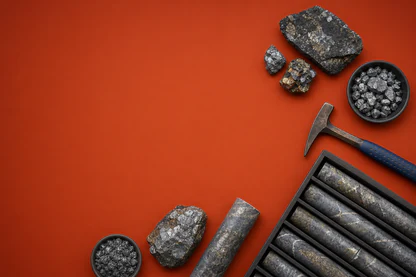
Alma Metals Confirms Consistent Copper Grades in 2026 Briggs Infill Drilling

Alma Metals has received assay results from the first three holes of its 2026 infill drilling program at the Briggs Copper Project, confirming copper grades align with the current resource model and underpinning progress toward a preliminary feasibility study.
- Initial assays from three 2026 infill holes match resource model predictions
- Seven holes (~2,300m) completed with 69 more planned through 2027
- Drilling aims to upgrade Inferred to Indicated resources for PFS
- Exploration drilling to test copper anomalies outside current resource
- Metallurgical and environmental studies integrated with drilling progress
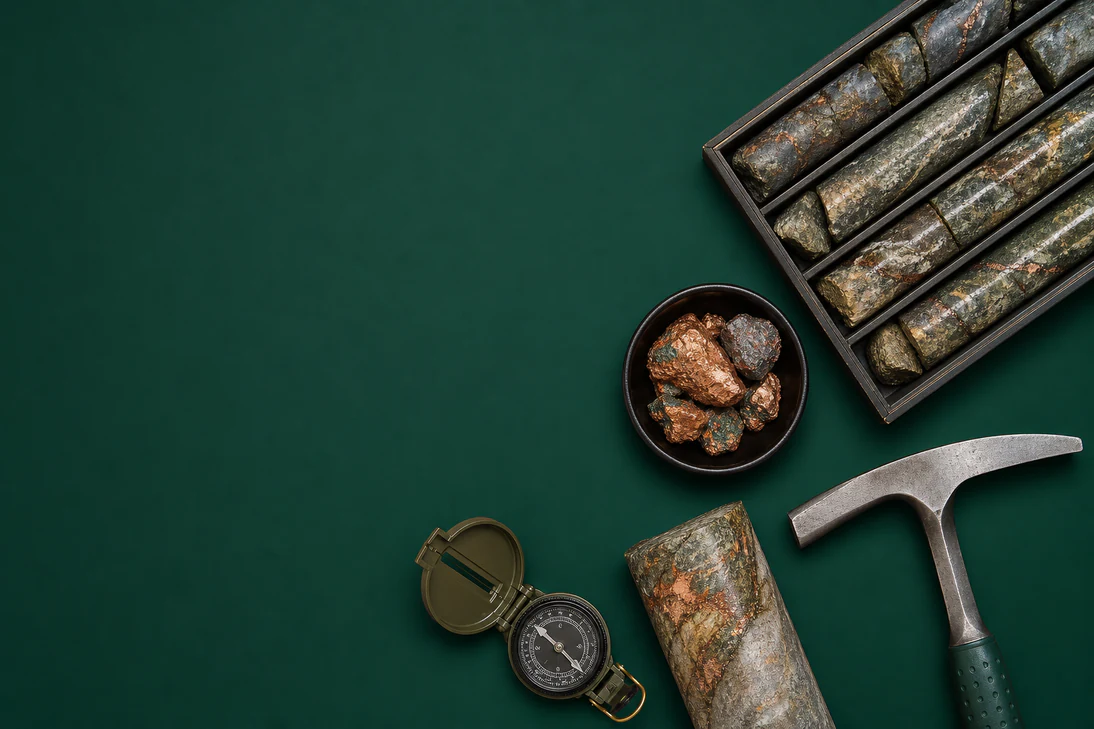

First Assays Confirm Resource Model Accuracy at Briggs
Alma Metals (ASX:ALM) has delivered a solid early check on its 2026 infill drilling program at the Briggs Copper Project in Queensland. Assays from the first three holes, part of an 80-hole campaign, show copper grades consistently falling between 0.15% and 0.25%, closely mirroring the current mineral resource estimate (MRE) block model. This alignment between predicted and actual grades offers a reassuring validation of the geological model underpinning the project’s next phase.
The holes, drilled in the northwest-central part of the Briggs Central porphyry, encountered continuous copper mineralisation over intervals exceeding 300 metres each, with some zones hitting up to 0.25% copper. The presence of molybdenum and silver at modest levels further supports the deposit’s polymetallic potential. Notably, each hole ended in mineralisation, indicating the deposit remains open at depth within the targeted intervals.
Drilling Program Accelerates Resource Upgrade and Metallurgical Sampling
With seven holes and approximately 2,300 metres drilled to date, Alma Metals is on track to complete 41 infill holes (around 12,500 metres) by the end of 2026. These efforts aim to convert a significant portion of the Inferred resource into the higher-confidence Indicated category, a critical step for supporting the preliminary feasibility study (PFS). A further 35 holes (~17,500 metres) are planned for the first half of 2027 to continue this upgrade trajectory.
Managing Director Dr Frazer Tabeart highlighted the importance of these results, stating the assays "give us great confidence that the infill program will ultimately deliver the appropriate update to the MRE and metallurgical test work programs to support our preliminary feasibility study." The drilling also provides core samples for metallurgical test work, which will refine copper and molybdenum recovery processes and evaluate the potential addition of a molybdenum circuit to optimise revenue streams.
Exploration Beyond Current Resource Boundaries
In addition to infill drilling, Alma Metals plans four exploration holes totaling approximately 1,250 metres to test surface copper anomalies west of the current MRE boundary. These targets, identified through elevated soil copper geochemistry, could expand the resource footprint if mineralisation is confirmed. The exploration drilling complements the infill program and aligns with the company’s strategy to delineate a robust, scalable copper resource.
The project benefits from a favourable location, just 60 kilometres from the deep-water port of Gladstone and close to key infrastructure including power lines, rail, gas pipelines, and highways. This infrastructure advantage, combined with the deposit’s scale and open-pit potential, enhances the economic viability of the Briggs Copper Project.
Environmental and Technical Work Advances in Parallel
Alongside drilling, Alma Metals has engaged consultants to manage environmental baseline surveys required for state government approvals. Characterisation studies of waste and tailings chemistry are also underway to inform environmental management plans integral to the PFS. Geotechnical logging of selected drill holes will provide critical data on rock mass stability for open pit design.
The company continues to integrate drilling results with metallurgical and environmental studies, advancing the project steadily toward a comprehensive PFS. This multidisciplinary approach is essential to de-risking the project and preparing for potential development.
Bottom Line?
Alma Metals’ early 2026 drill results at Briggs reinforce the existing resource model and set a clear path toward a PFS, but upcoming assays and resource updates remain pivotal to confirming the project’s economic potential.
Questions in the middle?
- Will the upcoming 2026 and 2027 drilling campaigns maintain the consistency seen in initial assays?
- How will metallurgical test work influence the processing flowsheet and project economics?
- Could exploration drilling beyond the current resource significantly expand the deposit’s footprint?