Control Bionics Secures FDA Registration for NeuroStrip Medical Device

Control Bionics has achieved FDA registration for its NeuroStrip surface EMG platform, cementing its medical device status in the US and bolstering its appeal in clinical and research markets.
- NeuroStrip officially registered as FDA medical device
- Registration enhances clinical and research market credibility
- Supports growth across performance, rehabilitation, and research applications
- Pending regulatory approvals in Australia, EU, and UK underway
- Strengthens position for human-computer interface partnerships
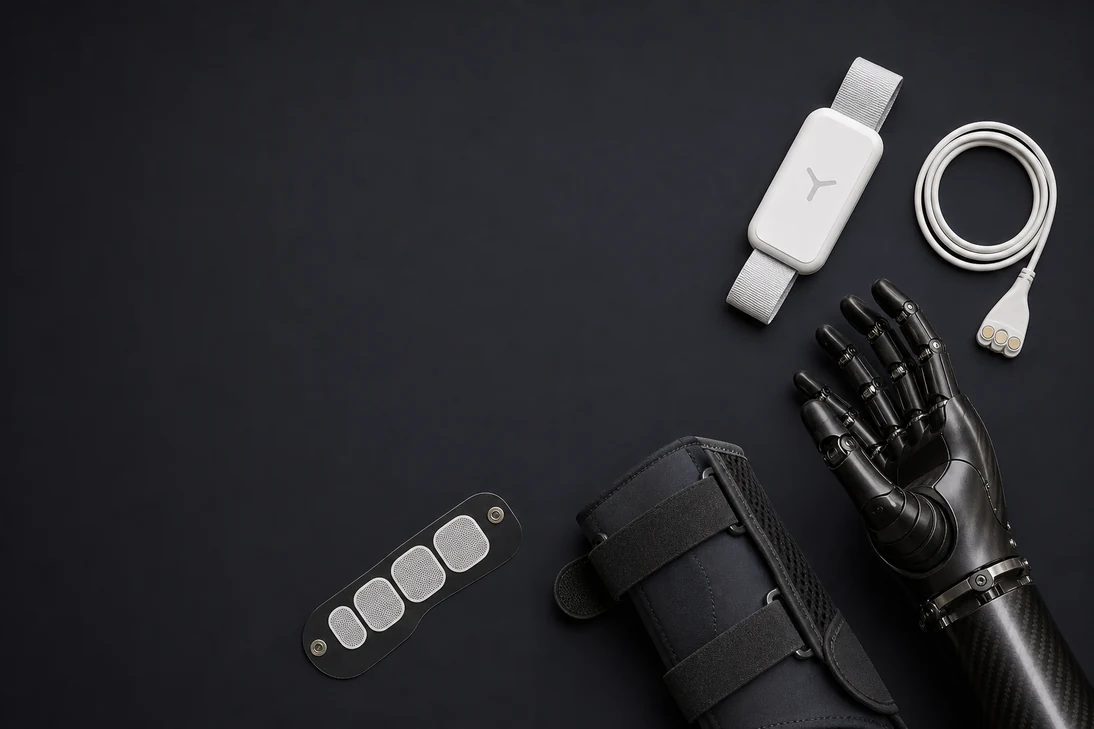

FDA Registration Elevates NeuroStrip’s Medical Device Status
Control Bionics Limited (ASX:CBL) has crossed a key regulatory milestone with the US Food and Drug Administration formally registering and listing its NeuroStrip™ surface electromyography (sEMG) wearable platform as a medical device. This recognition under the FDA’s regulatory framework (registration number 3006789226) elevates NeuroStrip’s standing in one of the world’s largest healthcare markets and signals a new phase in its commercial journey.
While NeuroStrip has already been deployed in sports performance and general rehabilitation without requiring FDA registration, the formal listing enhances its medical-grade credentials. This is particularly significant as Control Bionics targets advanced clinical rehabilitation providers, medical research institutions, and human-computer interface developers, where FDA recognition is often a prerequisite for collaboration.
Strategic Growth Across Multiple Application Areas
The FDA registration is a cornerstone of Control Bionics’ broader regulatory strategy, which also includes pending applications for the Therapeutic Goods Administration (TGA) in Australia, CE marking under the European Union Medical Device Regulation (MDR), and registration under the UK MDR framework. Together, these efforts reflect the company’s ambition to scale NeuroStrip into new markets and deepen adoption across its three core application areas: performance, rehabilitation, and research and data.
CEO Jeremy Steele emphasised the milestone’s importance, noting that while NeuroStrip’s existing use cases do not mandate FDA registration, the formal recognition “meaningfully strengthens our position in advanced clinical rehabilitation, medical research and future human-computer interface applications.” He also highlighted the company’s 25-year legacy in medtech innovation, framing the registration as a vital step in accelerating growth and commercialisation.
Implications for Market Expansion and Partnerships
By securing FDA registration, Control Bionics positions NeuroStrip more favourably in commercial discussions with prospective partners and customers who require recognised US regulatory status. This credential is expected to unlock opportunities in sectors where regulatory compliance is a threshold condition, including human-computer interface development and medtech research collaborations.
The company’s regulatory momentum follows recent capital raises totalling nearly $10 million, aimed at funding commercial expansion and technology development. This financial backing, combined with regulatory progress, sets the stage for Control Bionics to advance its distribution and partnership efforts across North America and beyond.
Bottom Line?
FDA registration marks a pivotal step for NeuroStrip’s clinical and research ambitions, but upcoming TGA, CE, and UK MDR approvals will be critical to sustaining global momentum.
Questions in the middle?
- How quickly will pending TGA, CE, and UK MDR approvals materialise and impact market access?
- What partnerships might emerge now that NeuroStrip holds formal FDA recognition?
- Can Control Bionics leverage this regulatory milestone to accelerate adoption in human-computer interface applications?