H2G Narrows Losses as Sodium-Ion Battery Sales Hit $4.5M Pipeline

H2G Limited trims its half-year loss by a third while advancing sodium-ion battery production and securing a $4.5 million sales pipeline. Strategic partnerships and government certification efforts aim to boost market adoption.
- Revenue rises 12% to $592,097
- Loss after tax narrows 33% to $433,601
- Sodium-ion battery sales pipeline exceeds $4.5 million
- Strategic MOU with Skeleton Technologies for supercapacitors
- Government certification for sodium-ion batteries in progress
Financial Performance Shows Clear Improvement
H2G Limited (ASX:H2G), formerly GreenHy2, reported a 12% increase in revenue to $592,097 for the half-year ended 30 June 2026, alongside a 33% reduction in its loss after tax to $433,601. The company’s continuing focus on renewable energy solutions, particularly sodium-ion battery technology, underpins this improved financial footing.
Despite the loss, the narrowing gap from the prior period’s $647,664 loss signals operational progress. The company’s cash reserves remain solid at $714,097, supported by a recent capital raise of approximately $941,000, which bolsters its runway for product development and market expansion.
Sodium-Ion Battery Pipeline Accelerates
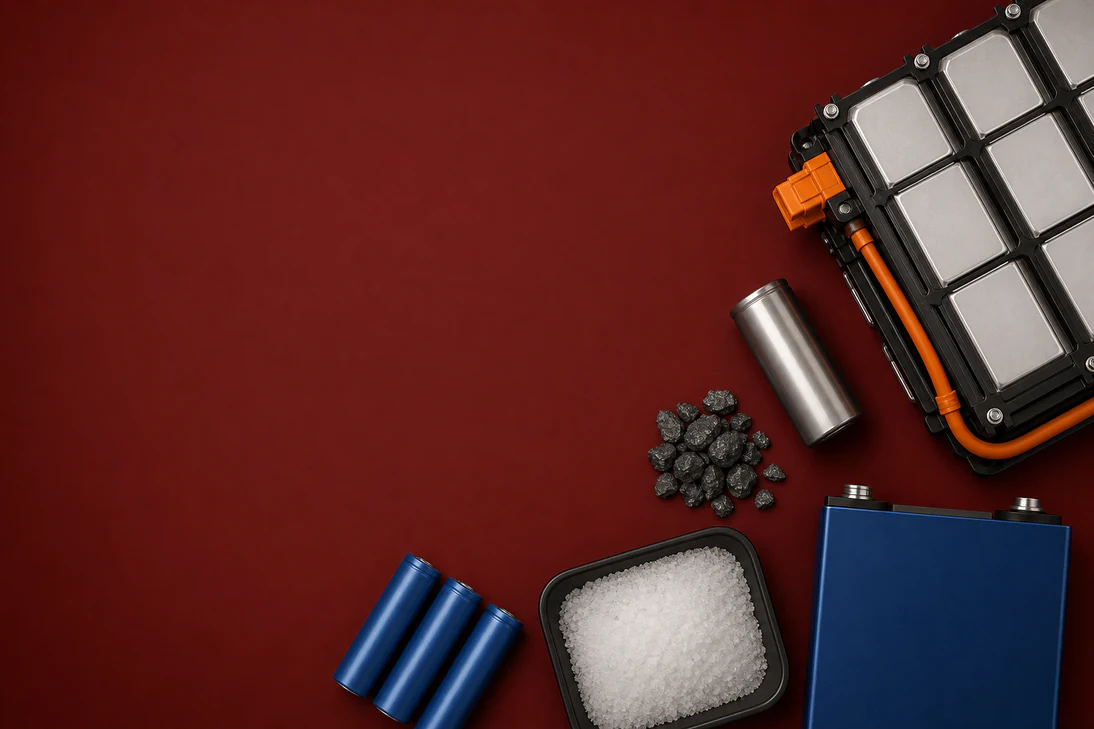
H2G’s flagship product, the Model S (Stackable) Sodium-Ion Battery, is generating sustained interest with a sales pipeline now exceeding $4.5 million. The company has completed development of this battery and its Clean Energy Council (CEC) approved inverters, with initial shipments currently in transit. Installation agreements are being finalised across key Australian states including New South Wales, Victoria, Southern Queensland, and Western Australia, positioning H2G to convert pipeline momentum into revenue.
Technically, the Model S battery stands out for safety and longevity. It is the first battery cell worldwide to achieve UL9540A certification for nail penetration, overcharge, and thermal runaway tests with no fire or explosion; a significant advance in battery safety. The sodium-ion chemistry offers a 20-year lifespan, operates effectively in extreme temperatures, and is fully recyclable, addressing growing sustainability concerns in energy storage.
Certification and Government Rebate Prospects
While the batteries are approved for installation across Australian networks, inclusion in the government rebate scheme remains pending. H2G is actively engaging with regulators and testing its batteries to the soon-to-be-adopted SA TS 5398:2025 Australian standard, which currently excludes sodium-ion technology. Achieving this certification would unlock access to government incentives, potentially accelerating adoption in residential markets.
Strategic Partnership with Skeleton Technologies
Beyond batteries, H2G is advancing its partnership with Skeleton Technologies, marketing their graphene-based supercapacitors and SuperBattery systems. These technologies target data centres and critical infrastructure, offering ultra-fast charging, fire safety, and lifespans exceeding one million cycles. H2G reports a pipeline exceeding $10 million in this sector, though conversion is gradual due to technical uncertainties among data centre operators.
The partnership aligns with the rapid growth of data centres in Australia, fuelled by the AI revolution and soaring energy demands. Skeleton’s solutions promise to transform backup power into profit centres by enabling peak load shaving and enhancing computational throughput.
Outlook Focused on Safety-Critical Industrial Markets
H2G is prioritising large-scale industrial customers where battery safety is paramount; petrol stations, bushfire-prone areas, utilities, eco-resorts, and seasonal residences. The company’s diversified portfolio, combining sodium-ion batteries and supercapacitors, positions it well to capture emerging opportunities in Australia’s energy transition.
While revenue conversion from its substantial pipelines remains a key watchpoint, H2G’s technological advances and strategic collaborations suggest it is carving out a distinctive niche in the competitive energy storage landscape.
Bottom Line?
H2G’s progress in sodium-ion batteries and strategic tech partnerships set the stage for potential growth, but market adoption hinges on certification and pipeline conversion.
Questions in the middle?
- How quickly will H2G convert its $4.5 million sodium-ion battery pipeline into actual sales?
- When will sodium-ion batteries gain inclusion in the government rebate scheme, and how will that impact demand?
- What is the timeline for commercial adoption of Skeleton Technologies’ supercapacitors in Australian data centres?