AT4 Advances Del Sol Refinery Trials and Engineering for US Domestic Tungsten and Antimony Production

American Tungsten & Antimony Ltd (ASX:AT4) has kicked off critical wet table trials at its Del Sol Refinery in Nevada, moving closer to producing ammonium paratungstate and antimony flake from domestic sources. Engineering proposals for expanding the plant’s tungsten processing capacity are under review, while the company pursues US government funding and regulatory approvals.
- Wet table trials underway for tungsten and antimony concentration
- Engineering firm to be appointed soon for ammonium paratungstate expansion
- 3 tonnes of antimony ore hauled to Del Sol for processing trials
- Shortlisted by US Department of Energy for up to US$18 million funding
- Acquisition of Del Sol Refinery and White Spar Mine pending shareholder approval
 Add us as a preferred source on Google
Del Sol Refinery Trials Target Domestic Tungsten and Antimony Supply
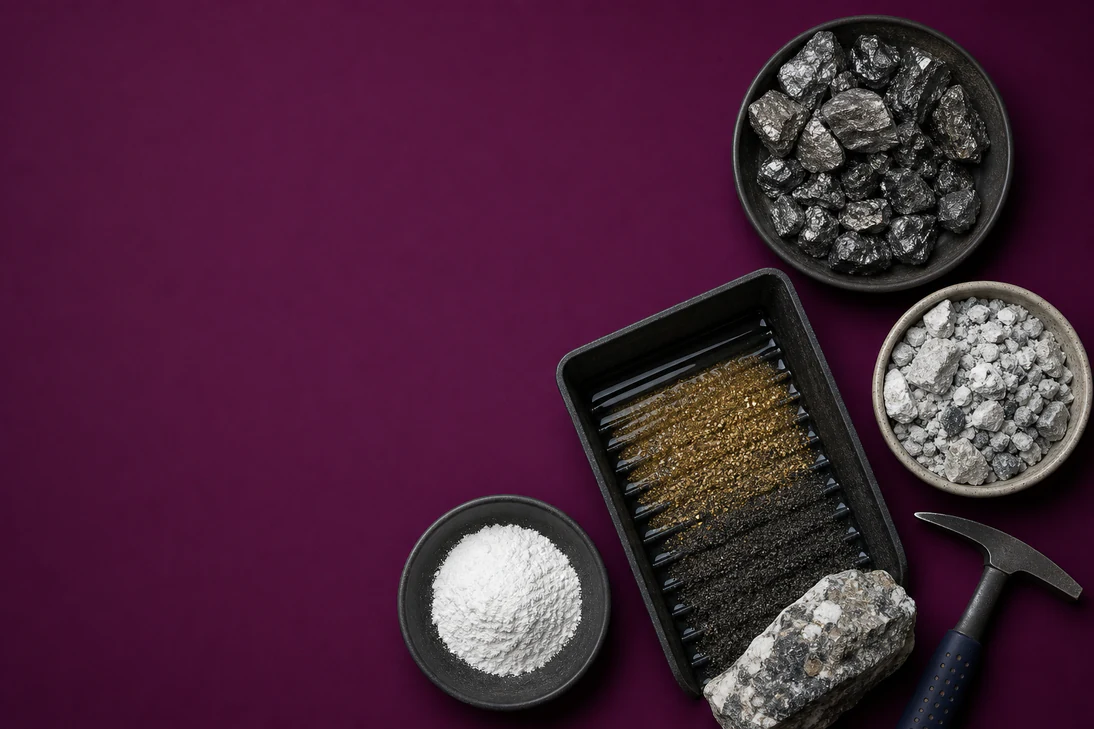
American Tungsten & Antimony Ltd (ASX:AT4) is ramping up testwork at its hydrometallurgical Del Sol Refinery in Nevada, aiming to establish a domestic source of ammonium paratungstate (APT) and antimony flake. The company has commenced wet table gravity separation trials on scheelite-bearing tungsten mineralisation from its Dutch Mountain Tungsten Project and third-party sources near Del Sol, marking a key step towards expanding the refinery’s capabilities beyond antimony.
The wet table trials are designed to optimise concentrate production ahead of a planned restart of the refinery’s antimony flake circuit by the end of September 2026. Approximately 3 tonnes of stibnite-bearing ore from the White Spar Antimony Mine in Arizona, along with samples from AT4’s Antimony Canyon Project in Utah, have been hauled to Del Sol for parallel testing. These efforts aim to reduce reagent consumption and operating costs by upgrading run-of-mine material before refining.
Engineering Proposals and Permitting Advance Expansion Plans
AT4 has received engineering proposals from five international firms for the proposed APT circuit expansion and antimony flake capacity increase at Del Sol. The company expects to appoint a preferred engineering firm within two weeks to deliver detailed design and cost estimates. This technical foundation will support AT4’s pursuit of non-dilutive US government funding and debt programs.
Parallel to engineering, AT4 is progressing a permit application with the Nevada Division of Environmental Protection to extend Del Sol’s scope to include tungsten refining and increase feed capacity to 100,000 tons per year. Approval remains uncertain but would position Del Sol as the only US refinery capable of producing both tungsten and antimony products.
Strategic Government Engagement and Funding Prospects
AT4’s CEO Casper Adson and the Nexus Metals team will meet with stakeholders at the White House and in New York to accelerate development of the vertically integrated US refining strategy. This follows the company’s recent shortlisting by the US Department of Energy for potential funding of up to US$18 million under a US$162 million critical minerals initiative. While no agreements are in place, the shortlist signals alignment with US government priorities for domestic critical mineral supply chains.
Executive Chair Tim Morrison highlighted the strategic importance of Del Sol amid the US tungsten and antimony supply vacuum, reinforced by Executive Order 14415 and upcoming import prohibitions. He noted, “Del Sol is built, permitted, and has sources of US tungsten and antimony today,” positioning AT4 to be the first to bring domestic production online.
Pending Acquisition and Next Steps
AT4’s acquisition of Del Sol Refining Inc and the White Spar Antimony Mine remains subject to shareholder approval and regulatory conditions. The company holds no legal or beneficial interest in these assets as of this announcement.
Looking ahead, AT4 plans to complete wet table trials, engage the engineering firm, conduct laboratory-scale APT testwork, and commence a full restart trial of the antimony circuit by September quarter end. Progress on permitting applications and strategic discussions with US government stakeholders will continue in parallel. These steps are critical to validating commercial viability and scaling production capacity.
Bottom Line?
AT4’s methodical approach to refining testwork, engineering, and strategic engagement positions it to potentially fill a critical gap in US tungsten and antimony supply, pending trial results and regulatory approvals.
Questions in the middle?
- Will the wet table trials deliver sufficient concentrate grades to justify APT production at Del Sol?
- How quickly can AT4 secure US government funding and regulatory permits to scale refinery operations?
- What impact will the completion of the Del Sol acquisition have on AT4’s operational timeline and capital requirements?