Terra Secures Land Access to Advance Glen Eden Tungsten Drilling

Terra Critical Minerals has obtained full land-access approval for its Glen Eden Project, paving the way for drilling to test a substantial tungsten exploration target in New South Wales.
- Full land-access approval granted for Glen Eden Project
- Exploration Target of 20–30 million tonnes at 0.18–0.29% WO3 equivalent
- Historical drilling shows broad mineralised intervals up to 392 metres
- Significant bismuth identified alongside tungsten, not yet included in metal equivalents
- Drilling planned to advance towards maiden Mineral Resource estimate
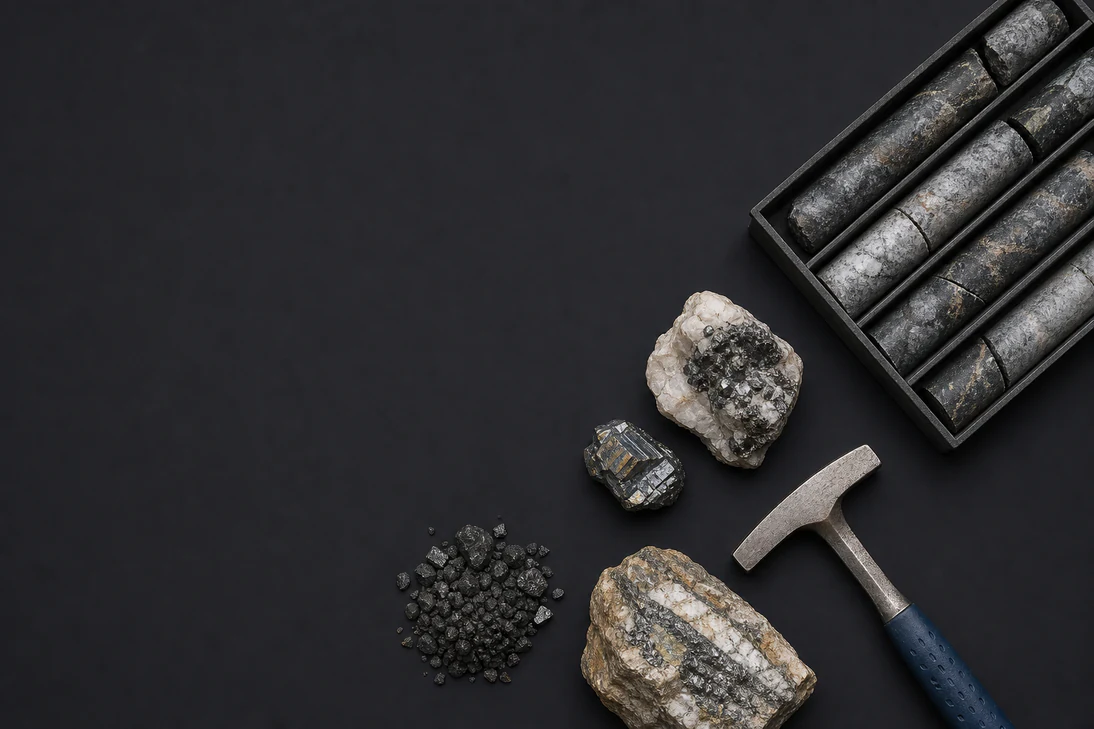

Land Access Unlocks Drilling at Glen Eden
Terra Critical Minerals (ASX:T92) has cleared a critical hurdle for its Glen Eden Project in New South Wales, securing full land-access approval to begin drilling. This milestone enables the company to move from historical data review to active exploration on a project hosting a sizeable tungsten exploration target.
The Glen Eden Project boasts an Exploration Target of 20 to 30 million tonnes grading between 0.18% and 0.29% WO3 equivalent, defined only to shallow depths of around 100 to 150 metres. The target is based on extensive historical drilling, with some holes returning exceptionally wide mineralised intervals; including 282 metres at 0.28% WO3 equivalent and 392 metres at 0.14% WO3 equivalent. These results hint at a substantial mineralised system yet to be fully delineated.
Geological Complexity and Additional Metals
The mineralisation is hosted within a roughly 500-metre diameter greisen, stockwork, and breccia complex, itself part of a broader hydrothermal alteration system extending approximately 1,500 by 800 metres. Notably, a review of the data uncovered significant bismuth mineralisation averaging 121 parts per million within the same target zone. While bismuth is not currently factored into metal equivalent calculations, its presence adds a potentially valuable by-product credit to the project.
Historical drilling has reached depths of nearly 400 metres, but the system remains open at depth with deeper zones largely untested. This leaves room for upside beyond the current Exploration Target, which is nonetheless considered conceptual pending modern drilling.
Next Steps and Strategic Positioning
Terra is advancing the remaining environmental, heritage, and statutory approvals ahead of a planned drilling campaign designed to test and refine the Exploration Target. The goal is to generate a maiden Mineral Resource estimate compliant with JORC standards.
Chairman Andrew Vigar emphasised the timing, noting the growing importance of tungsten and other strategic metals to Western supply chains. Glen Eden forms a key part of Terra’s New England region portfolio, which also includes tin, molybdenum, and precious metals projects. The company’s focus on critical metals aligns with global trends driving demand and supply chain security.
Terra’s approach builds on historical work by Carpentaria Exploration and Amoco Minerals dating back to the 1960s and 1980s, with the current Exploration Target reflecting a conservative interpretation of legacy data. The company acknowledges that modern drilling is essential to confirm and potentially expand the resource base.
With land access now secured, the market will be watching how Terra executes its drilling program and whether it can translate historical promise into a defined resource. The presence of multiple critical metals and the potential for deeper mineralisation add layers of complexity and opportunity to Glen Eden’s outlook.
Bottom Line?
Terra’s land-access approval at Glen Eden unlocks a pivotal phase of drilling that could transform a conceptual tungsten target into a tangible resource amid rising strategic metal demand.
Questions in the middle?
- Will the upcoming drilling confirm the scale and grade indicated by historical data?
- How might the presence of bismuth influence the project’s economic viability?
- What impact will environmental and heritage approvals have on the drilling timeline?