Nanosonics Advances CORIS Launch Amid Solid trophon Growth

Nanosonics reported steady FY26 revenue growth driven by its trophon disinfection platform and advanced the CORIS System towards commercial launch, backed by a strong balance sheet and a new $40 million share buyback.
- 6% growth in trophon installed base to 39,230 devices
- Revenue up 3% to $203.9 million, 6% constant currency
- EBIT $16 million, down 10% reported, up 21% constant currency
- CORIS System regulatory approvals and Controlled Market Release underway
- New $40 million on-market share buyback announced for FY27
 Add us as a preferred source on Google
trophon Growth Sustains Core Earnings
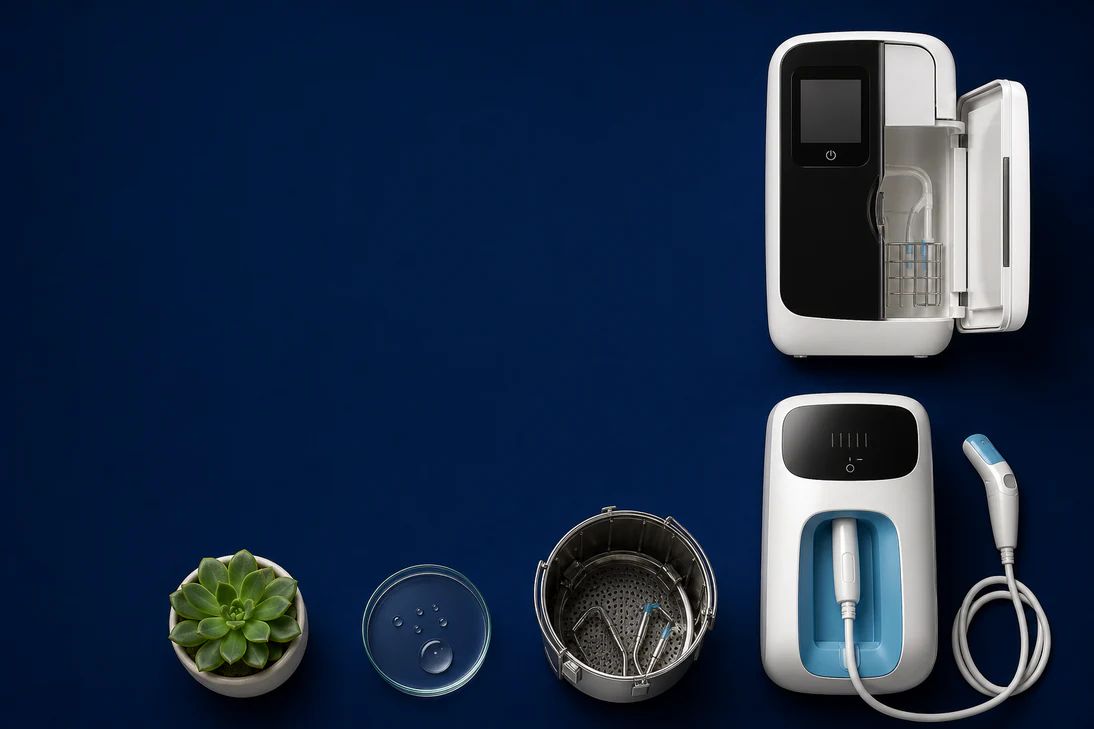
Nanosonics (ASX:NAN) delivered a solid FY26 performance with revenue rising 3% to $203.9 million, or 6% on a constant currency basis, underpinned by continued demand for its flagship trophon ultrasound probe disinfection platform. The cumulative installed base of trophon units grew 6% to 39,230 globally, protecting an estimated 31 million patients annually from infection risks.
Capital revenue increased 4% to $54.7 million, supported by a 9% rise in total device placements to 4,230 units. North America remained the primary growth engine, with record upgrade volumes up 32% to 1,980 units, reflecting strong customer momentum in transitioning to next-generation devices, including the newly launched trophon3 and trophon2 Plus software upgrades.
Despite a 10% reported decline in EBIT to $16 million, adjusted for currency effects EBIT rose 21% to $21.6 million, demonstrating disciplined cost management and operational leverage. The trophon-only business generated $50.6 million EBIT, up 5% on prior year, or 16% at constant currency, underscoring the platform’s earnings durability and cash generation capacity.
CORIS System Advances Towards Commercialisation
The CORIS System, Nanosonics’ automated technology for flexible endoscope cleaning, progressed through key regulatory milestones in Australia, Europe, the UK, and the US, including FDA 510(k) clearance for expanded endoscope indications. Controlled Market Release programs across select hospitals in Australia, the UK, Ireland, and the US have provided encouraging real-world feedback and operational insights.
With commercial launch planned throughout FY27, starting in the UK, Ireland, and Australia and followed by the US, Nanosonics is preparing to scale the CORIS platform as a second major growth engine. The company intends to increase investment behind the CORIS commercialisation to accelerate market awareness, build customer pipelines, and support early adoption.
Financial Strength Enables Strategic Investment and Shareholder Returns
Nanosonics ended FY26 with a robust cash position of $155.2 million and no debt, enabling flexibility to fund innovation and growth initiatives. The company completed a $20 million on-market share buyback during the year and announced a new $40 million buyback program for FY27, reflecting confidence in the core trophon business and growth outlook.
Operating expenses increased modestly by 2% (4% constant currency) as the company balanced disciplined cost control with targeted investment in research and development, operational capability, and commercial readiness for CORIS. R&D spend was $31.8 million, supporting both the trophon platform and CORIS development.
Sustainability Progress and Governance Updates
In sustainability, Nanosonics achieved a 49% reduction in Scope 1 and 2 emissions, driven partly by shifting manufacturing activities closer to customers, notably bringing Sonex consumable production in-house at Indianapolis. The company continues to embed sustainability in its mission to improve patient and environmental safety.
On the governance front, Sarah Butler joined the Board in January 2026, bringing extensive healthcare strategy and growth experience, replacing Lisa McIntyre who retired in November 2025. The Board maintains a strong focus on diversity, with women representing 45% of employees and 44% of senior leadership roles.
Executive Remuneration Reflects Strategic Delivery
The Remuneration Report highlights a pay framework aligned with performance and long-term shareholder value. FY26 short-term incentives (STI) were awarded at around 70% of target for the CEO and similarly for other executives, reflecting achievement against financial and strategic metrics including EBIT and annuity revenue growth. The long-term incentive (LTI) plan includes relative total shareholder return and earnings per share growth metrics, with the 2022 LTI vesting at 50% of maximum due to mixed TSR performance.
Looking ahead, fixed remuneration increases average 3% for FY27, with a refined STI framework to focus executives on key strategic objectives. Non-Executive Director fees have been adjusted upward following benchmarking, with a proposed increase in the aggregate fee pool to support future Board renewal.
What to Watch in FY27
FY27 will be pivotal as Nanosonics transitions the CORIS System from Controlled Market Release to commercial adoption, targeting initial revenues in the low single-digit millions. The company expects continued growth in trophon capital and recurring revenues, driven by installed base expansion, upgrades, and consumables sales. Gross margin may moderate somewhat due to tariffs and freight cost pressures, while operating expenses will rise as CORIS commercialisation investment intensifies.
The new $40 million share buyback signals confidence but also raises questions on capital allocation balance between growth investment and shareholder returns. The market will be attentive to how quickly CORIS gains traction amid competitive and regulatory landscapes, and whether trophon’s upgrade momentum sustains its earnings growth.
Overall, Nanosonics is leveraging its established trophon franchise and strong balance sheet to fuel a multi-platform infection prevention strategy, but the execution of CORIS commercialisation will be the key test of its next growth phase.
Bottom Line?
Nanosonics enters FY27 with a strong trophon foundation and a clear path to commercialise CORIS, but the scale and timing of CORIS adoption remain key uncertainties for investors.
Questions in the middle?
- How rapidly will the CORIS System penetrate key markets and contribute meaningful revenue?
- Can trophon sustain upgrade momentum amid evolving competitive and pricing pressures?
- Will the planned $40 million share buyback affect the company’s capacity for future R&D and M&A?