EMVision Surpasses 200 Patients in emu™ Brain Scanner Trial

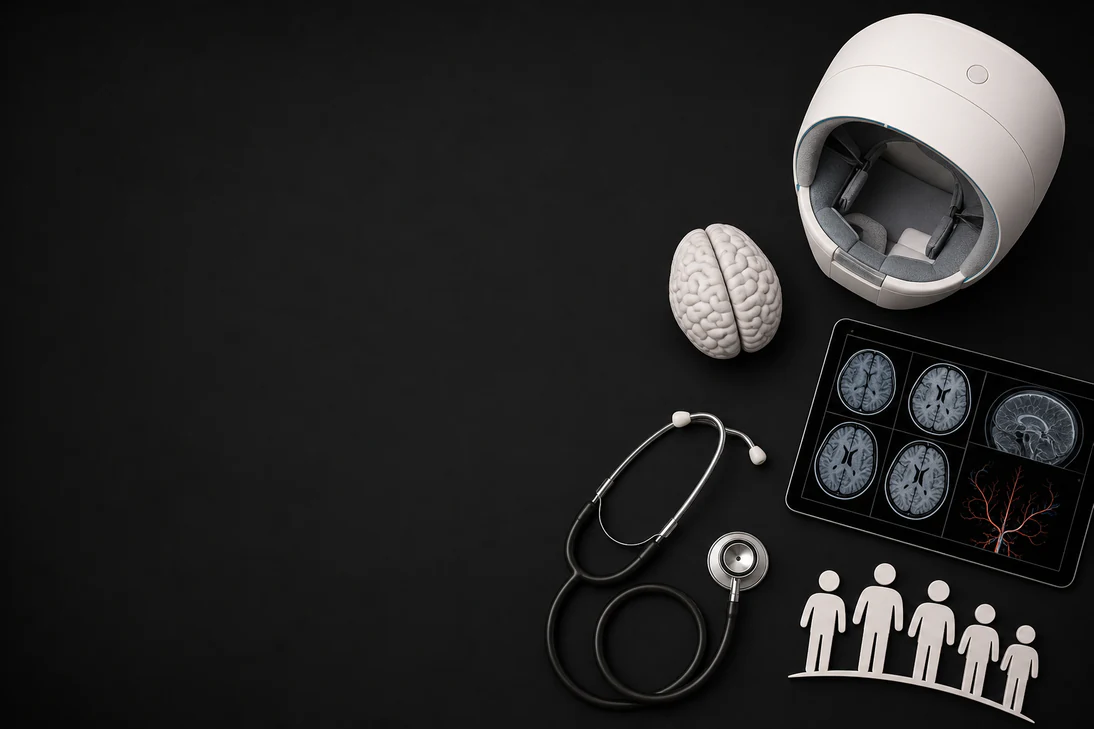
EMVision has accelerated recruitment in its pivotal emu™ brain scanner trial, surpassing 200 patients and advancing FDA discussions to broaden clinical endpoints, setting the stage for regulatory submission in early 2027.
- emu™ trial recruitment exceeds 200 patients
- No device-related adverse events reported
- FDA engagement progressing on acute ischaemia endpoint
- Mayo Clinic to present early trial findings
- Full enrolment targeted for early 2027
 Add us as a preferred source on Google
Recruitment Momentum Accelerates in emu™ Pivotal Trial
EMVision Medical Devices Ltd (ASX:EMV) has passed a significant clinical milestone with more than 200 patients now recruited in its emu™ Pivotal (Validation) Trial. This figure includes participants across both training and primary analysis cohorts, with July marking a record month for enrolments. The trial, designed to validate the emu™ brain scanner’s ability to detect intracranial haemorrhage, is progressing with increased site activations and protocol enhancements that have boosted recruitment capacity.
The emu™ device has integrated smoothly into “code stroke” pathways at participating hospitals, with no device-related adverse events reported to date. This safety record is critical as EMVision advances towards its goal of FDA De Novo clearance, targeting haemorrhage detection sensitivity and specificity above 80% in a multi-centre, prospective, blinded diagnostic study.
Expanding Trial Scope with Acute Ischaemia Endpoint
EMVision is actively preparing to add an acute ischaemia detection endpoint to the ongoing trial, aiming to validate the device’s ability to detect both major stroke types simultaneously. This strategic move could save up to two years and multimillion-dollar costs by avoiding a separate validation program. The company plans FDA pre-submission (Q-Sub) engagement on this endpoint in the coming months, building on its ongoing discussions regarding the De Novo clearance pathway.
Clinical Engagement and Upcoming Presentations
Further bolstering the trial’s profile, clinicians from the Mayo Clinic will present preliminary findings from an “Early Experience” paper on the emu™ Brain Scanner at the 18th Annual Mayo Clinic Stroke and Cerebrovascular Disease Review in October 2026. EMVision will also participate in a technology showcase at the event, engaging directly with the US stroke community ahead of commercialisation.
In Australia, EMVision’s technology featured prominently at the Australia and New Zealand Stroke Organisation Conference 2026, with presentations highlighting the emu™ device’s validation and AI diagnostic capabilities. These clinician-led forums are helping to build awareness and advocacy for the technology.
Parallel Continuous Innovation Study Enhances AI Models
Alongside the pivotal trial, EMVision is conducting a Continuous Innovation Study across multiple Australian sites, having recruited over 150 patients. This study supports ongoing refinement of the AI diagnostic models that underpin the emu™ device, allowing the company to incorporate additional training data up until the algorithm freeze before blinded performance analysis.
The trial sites include prestigious institutions such as Mayo Clinic (Florida), Mount Sinai Hospital (New York), Ronald Reagan UCLA Medical Center (California), and leading Australian hospitals, reflecting broad geographic and clinical engagement.
Looking Ahead to Full Enrolment and FDA Submission
EMVision targets full enrolment of the pivotal trial's 300-patient primary analysis cohort by early calendar year 2027. Sequential cohort readouts are expected shortly thereafter, forming the basis for the planned FDA De Novo submission of the first-generation emu™ device. The company’s CEO, Scott Kirkland, emphasised that crossing the 200-patient mark demonstrates the effectiveness of recruitment initiatives and highlighted the importance of upcoming presentations and FDA interactions in advancing the product towards commercialisation.
Bottom Line?
EMVision’s accelerated trial recruitment and expanded FDA engagement position the emu™ brain scanner for a potentially broader stroke detection capability, but final regulatory outcomes and commercial timing remain to be seen.
Questions in the middle?
- Will the addition of acute ischaemia detection expedite or complicate FDA clearance?
- How will the sequential cohort readouts influence investor confidence ahead of submission?
- What commercial partnerships or reimbursement pathways will EMVision pursue post-clearance?